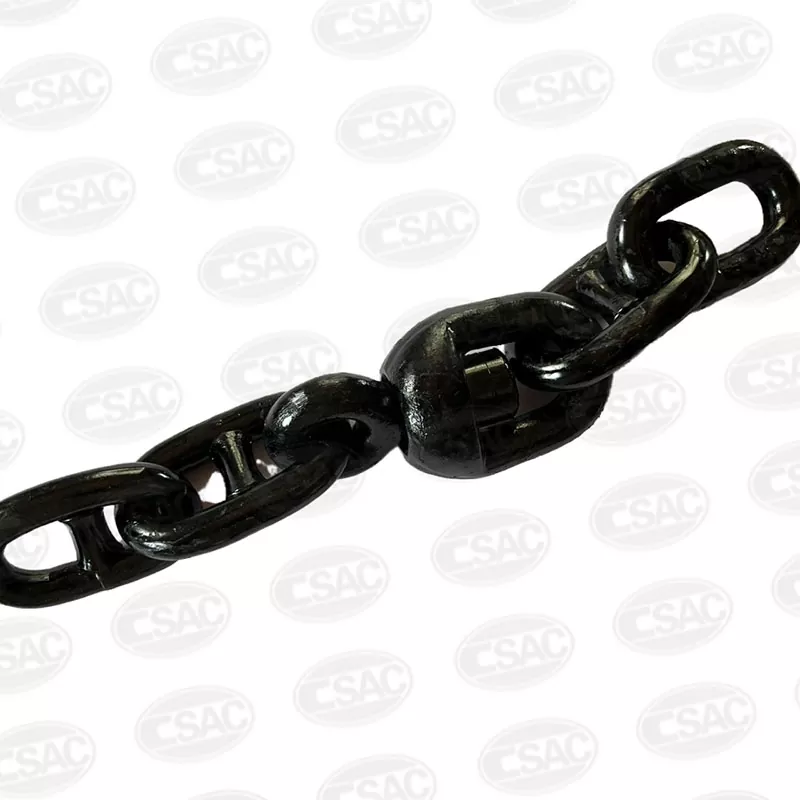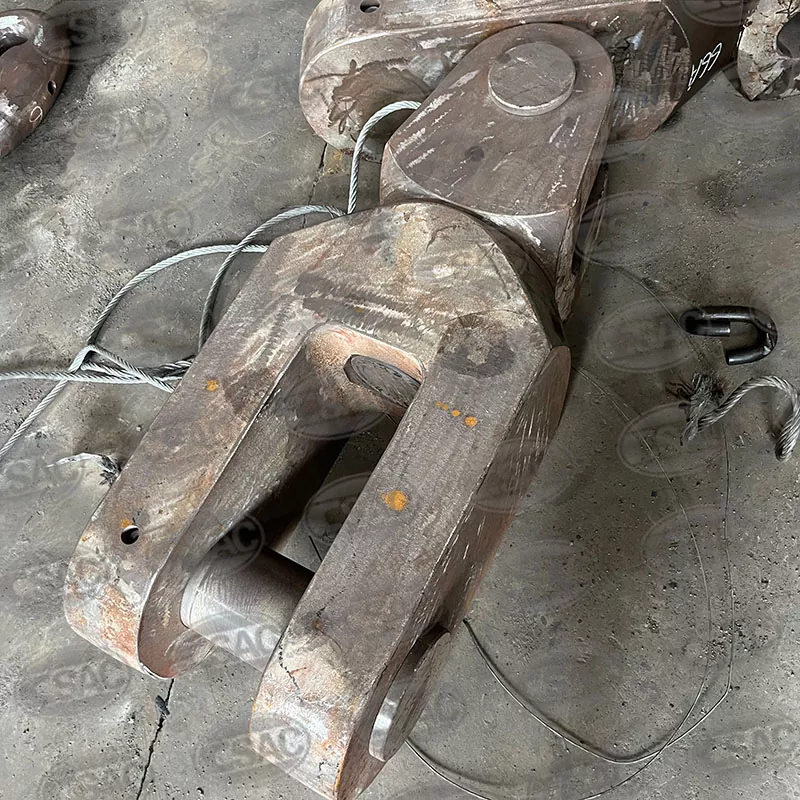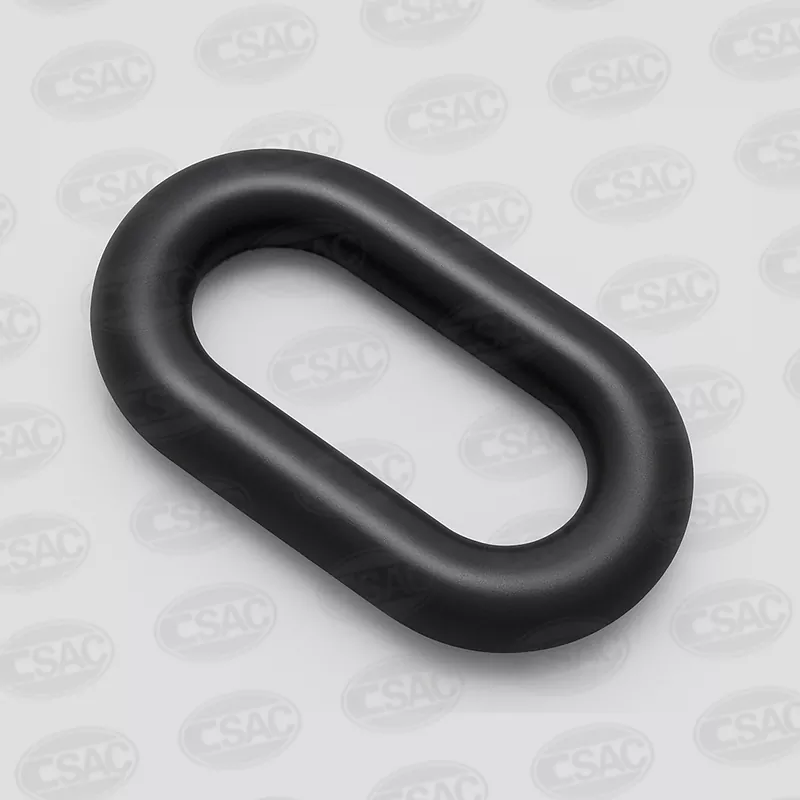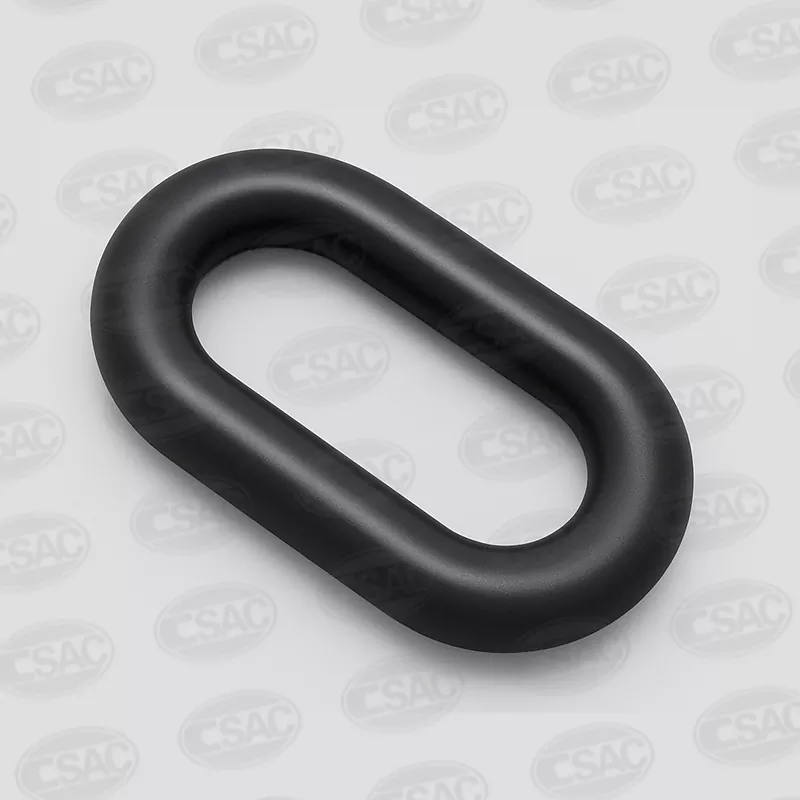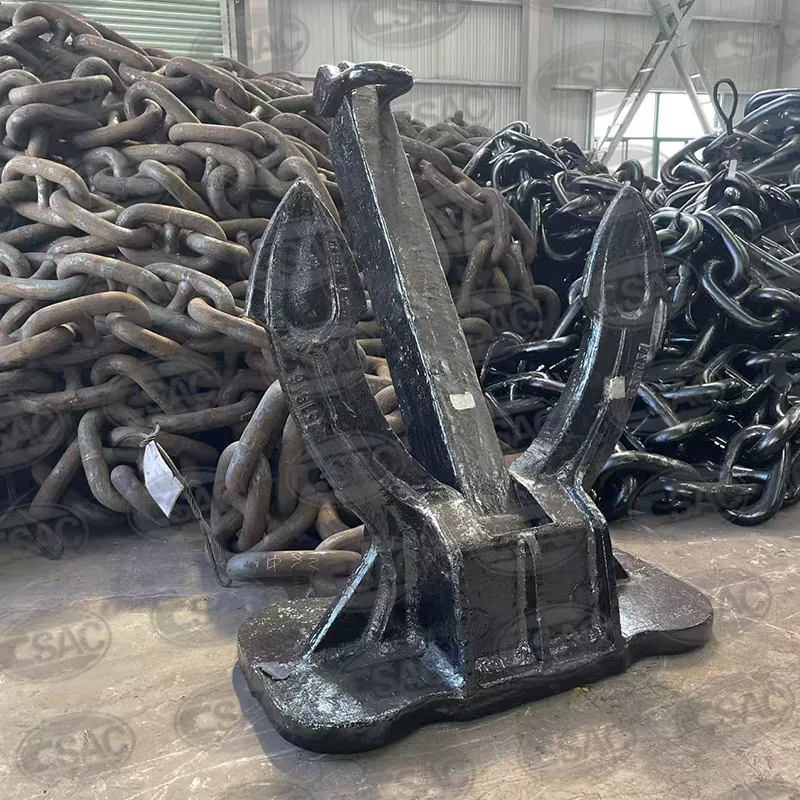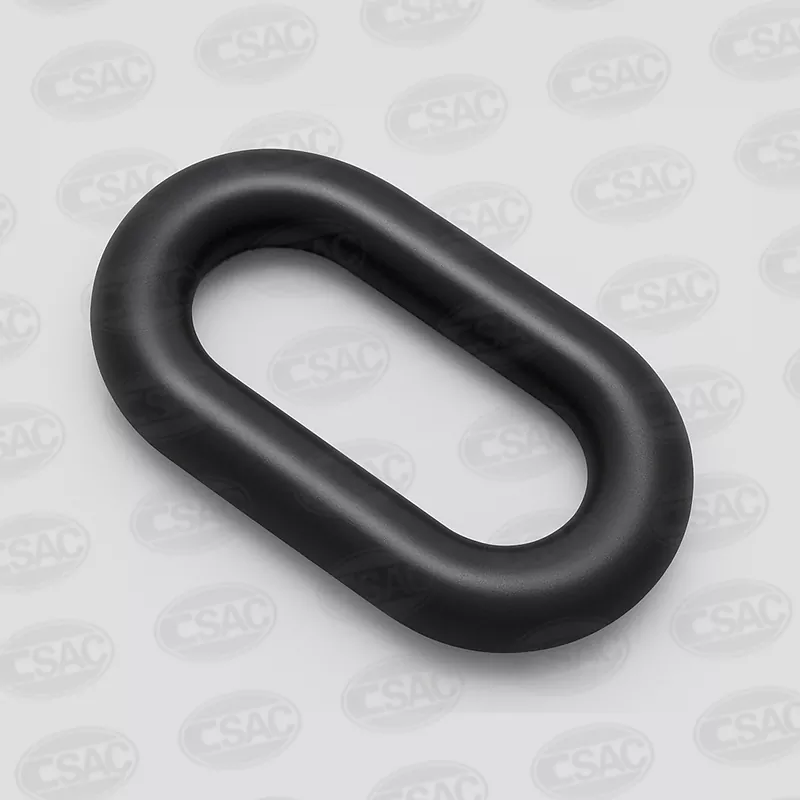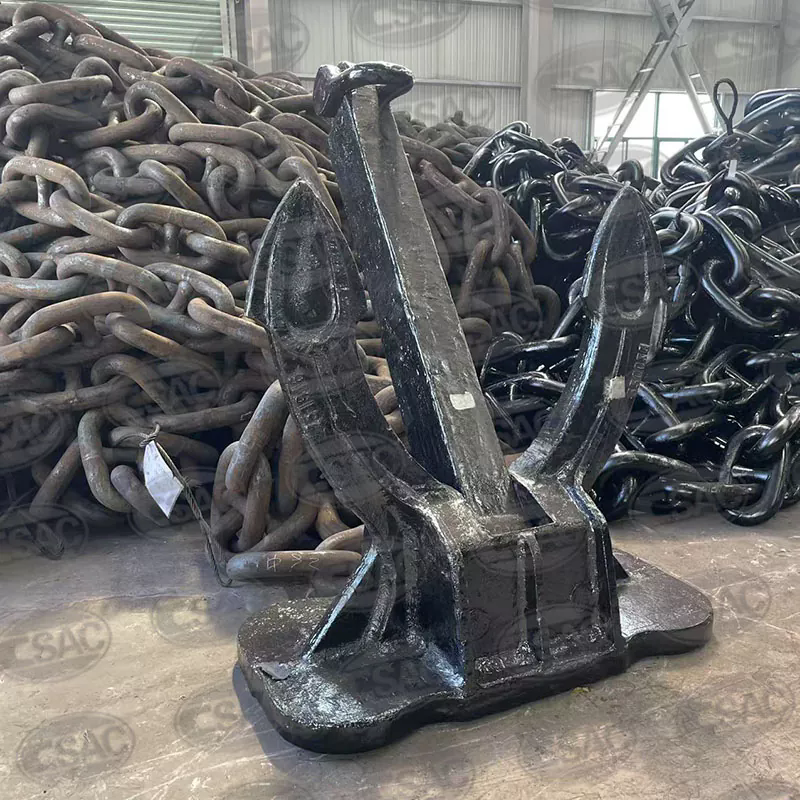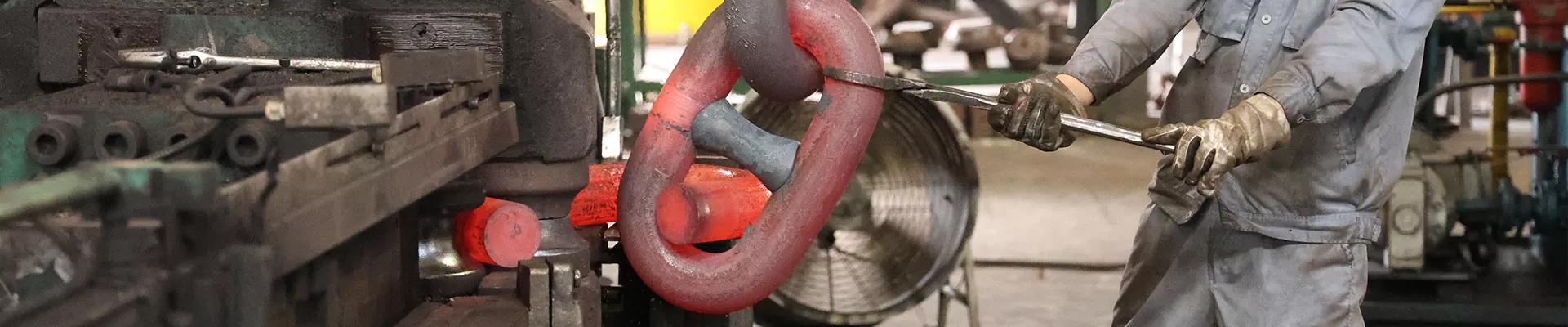
Article Summary: A Joining Shackle plays a critical role in connecting anchor chains and mooring systems in marine and offshore applications. This article explains how a Joining Shackle works, its key specifications, common applications, and how proper selection helps prevent operational risks while improving long-term reliability.
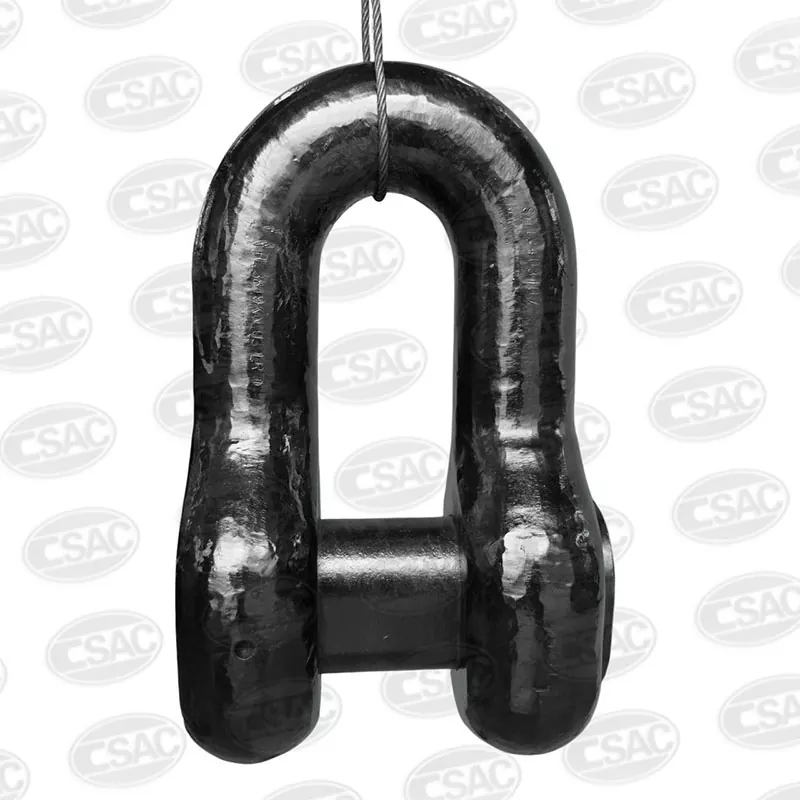
Table of Contents
- Introduction to Joining Shackle
- Common Applications and Use Scenarios
- Key Specifications and Technical Parameters
- How to Select the Right Joining Shackle
- Frequently Asked Questions
- Conclusion and Contact
Introduction to Joining Shackle
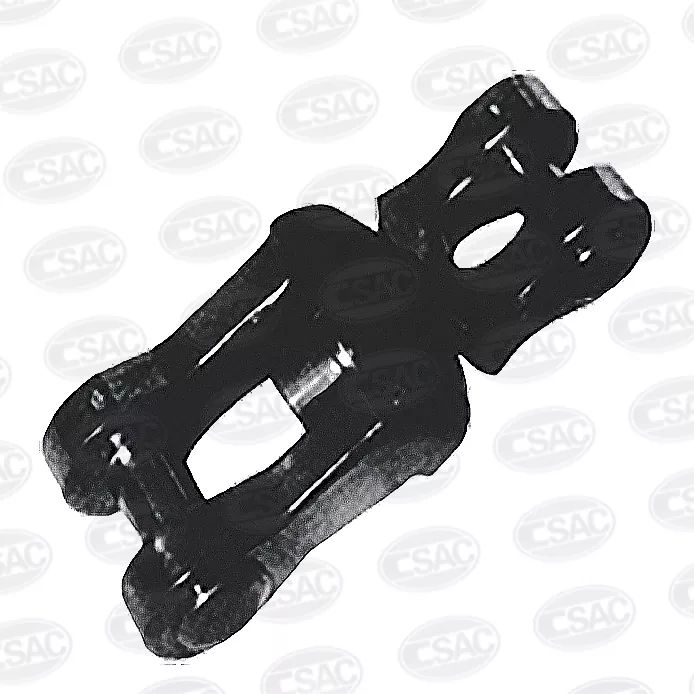
A Joining Shackle is a specialized mechanical connector designed to link two lengths of anchor chain securely and efficiently. It is widely used in marine, offshore, and heavy-duty industrial environments where reliability and load integrity are essential. Unlike standard shackles, a Joining Shackle is engineered to match the profile and strength of the chain it connects, ensuring smooth load transfer and minimizing stress concentration.
This article focuses on how a Joining Shackle addresses common operational challenges, such as uneven load distribution, installation difficulty, and long-term durability under harsh environmental conditions. Understanding these aspects helps operators improve safety and reduce maintenance costs.
Common Applications and Use Scenarios
Joining Shackles are primarily used in environments where chains must withstand heavy loads, cyclic stress, and exposure to corrosive elements. Their design ensures compatibility with anchor chains and mooring systems, making them a preferred choice in demanding applications.
- Marine anchor chain connections for commercial vessels
- Offshore mooring systems for oil and gas platforms
- Shipbuilding and ship repair operations
- Port and harbor anchoring infrastructure
- Heavy industrial lifting and securing systems
By maintaining consistent strength across chain links, a Joining Shackle helps prevent weak points that could compromise overall system safety.
Key Specifications and Technical Parameters
The performance of a Joining Shackle depends heavily on its material, manufacturing process, and dimensional accuracy. Below is a typical overview of technical parameters used for reference when evaluating a Joining Shackle.
| Parameter | Description |
|---|---|
| Material | High-strength alloy steel with heat treatment |
| Surface Treatment | Black painted, hot-dip galvanized, or special coating |
| Compatible Chain Grade | Grade 2, Grade 3, or higher marine anchor chains |
| Breaking Load | Designed to match or exceed chain breaking strength |
| Installation Method | Hammered pin or bolted connection depending on design |
| Inspection Standard | Dimensional and mechanical testing before delivery |
Accurate manufacturing ensures that the Joining Shackle fits seamlessly into the chain line, reducing abnormal wear and extending service life.
How to Select the Right Joining Shackle
Selecting an appropriate Joining Shackle requires careful consideration of operational conditions and technical requirements. Improper selection may lead to premature wear or unexpected failure.
- Confirm chain size and grade compatibility
- Evaluate working load limits and safety margins
- Consider environmental exposure such as seawater corrosion
- Verify compliance with relevant marine or industrial standards
- Ensure ease of installation and inspection
A well-matched Joining Shackle ensures consistent load transmission and supports long-term system stability.
Frequently Asked Questions
What is the primary function of a Joining Shackle?
The primary function of a Joining Shackle is to securely connect two lengths of chain while maintaining strength continuity and reducing stress concentration at the connection point.
How does a Joining Shackle differ from a standard shackle?
Unlike standard shackles, a Joining Shackle is specifically designed to match anchor chain dimensions and strength, ensuring smooth load transfer and compatibility with marine chain systems.
Is regular inspection required for Joining Shackles?
Yes, regular inspection is essential to identify wear, deformation, or corrosion. Periodic checks help maintain operational safety and extend service life.
Can a Joining Shackle be reused after disassembly?
Reuse depends on inspection results. If no deformation or material damage is found, reuse may be possible; however, professional assessment is recommended.
Conclusion and Contact
A Joining Shackle is a vital component in anchor chain and mooring systems, ensuring safe, reliable, and efficient connections under demanding conditions. By understanding its function, specifications, and selection criteria, operators can significantly reduce operational risks and improve overall system performance.
Zhoushan Zhongnan Anchor Chain Co., Ltd has extensive experience in manufacturing high-quality Joining Shackles designed for marine and offshore applications. If you are evaluating solutions for chain connection reliability or require technical guidance, contact us today to discuss your project requirements and receive professional support.