Article Summary
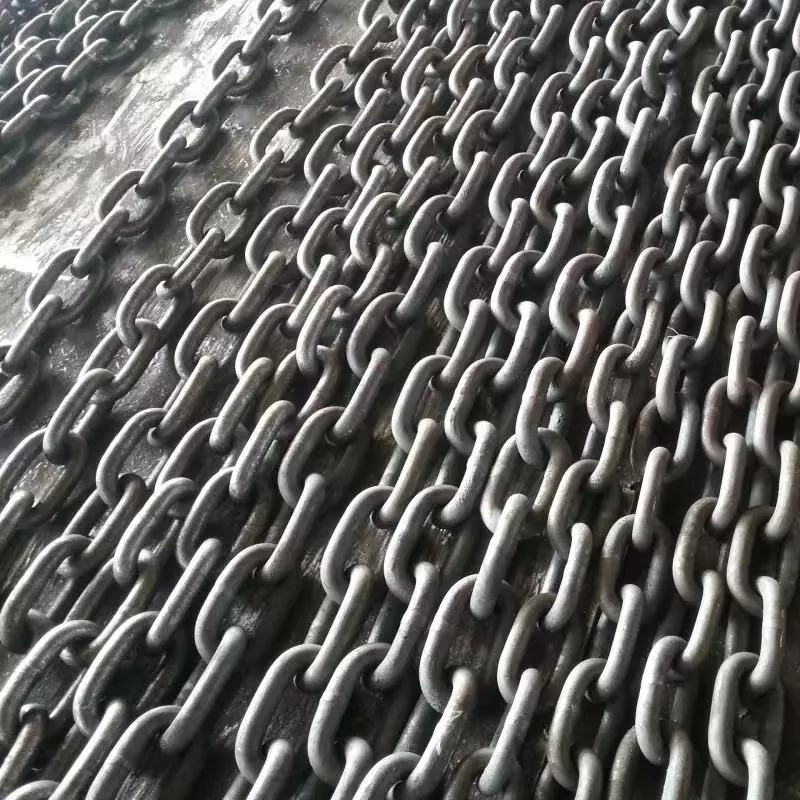
Stud link anchor chains are critical components in marine anchoring systems used by ships, offshore platforms, and large vessels. Their unique design provides superior strength, reduced deformation, and enhanced reliability compared with other chain types. This article explains how stud link anchor chains work, why they are widely used in maritime operations, and how to select the right chain specifications for different applications. Readers will also gain practical insights into materials, structural features, and performance advantages that help solve common anchoring challenges.
In maritime operations, anchoring systems must withstand powerful environmental forces such as waves, tides, and wind. Stud link anchor chains are designed to provide the necessary mechanical strength and stability required to secure vessels in place.
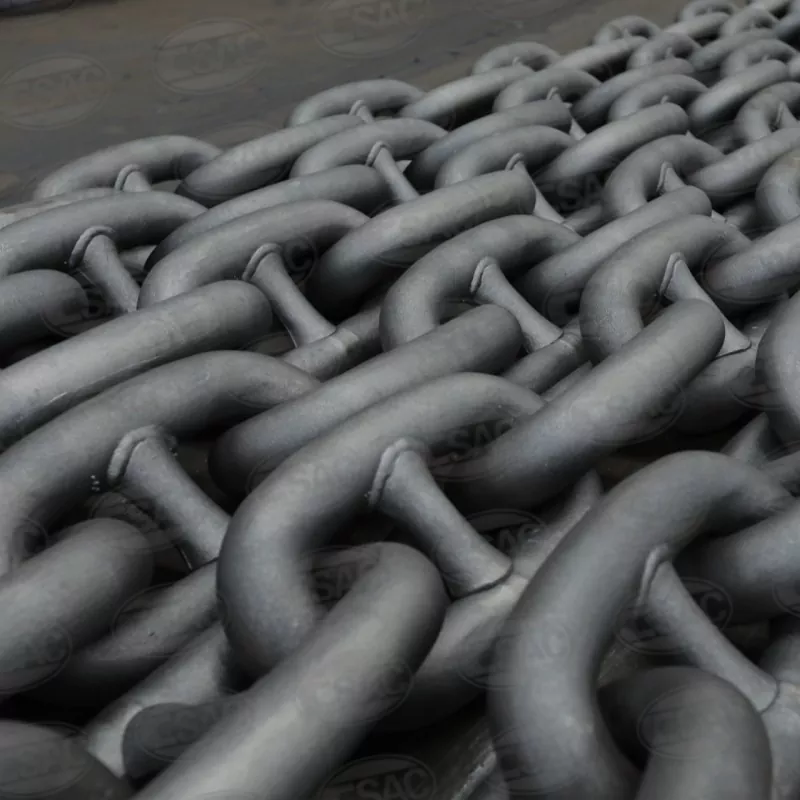
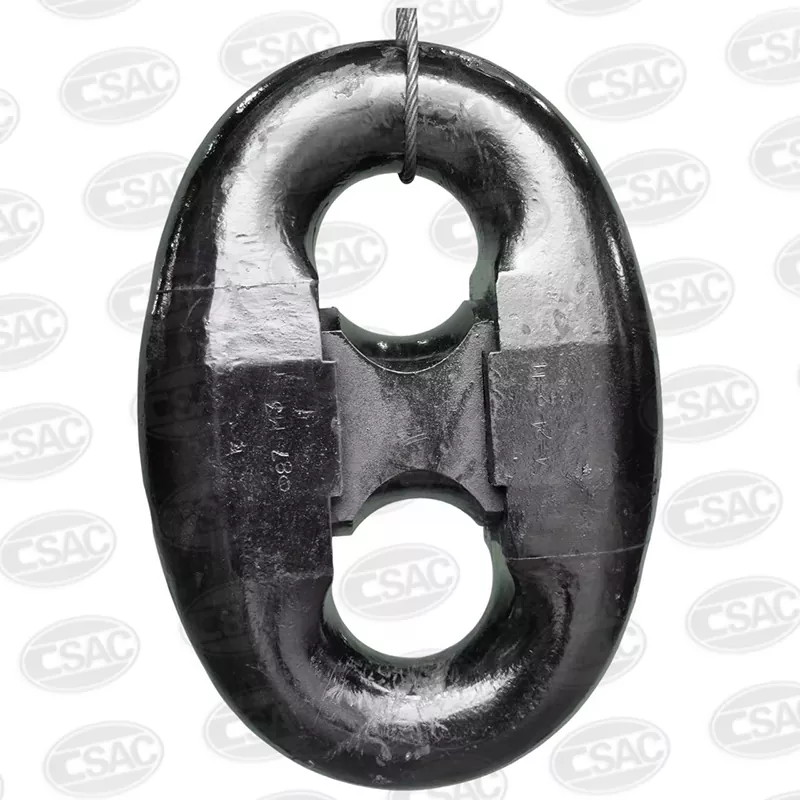
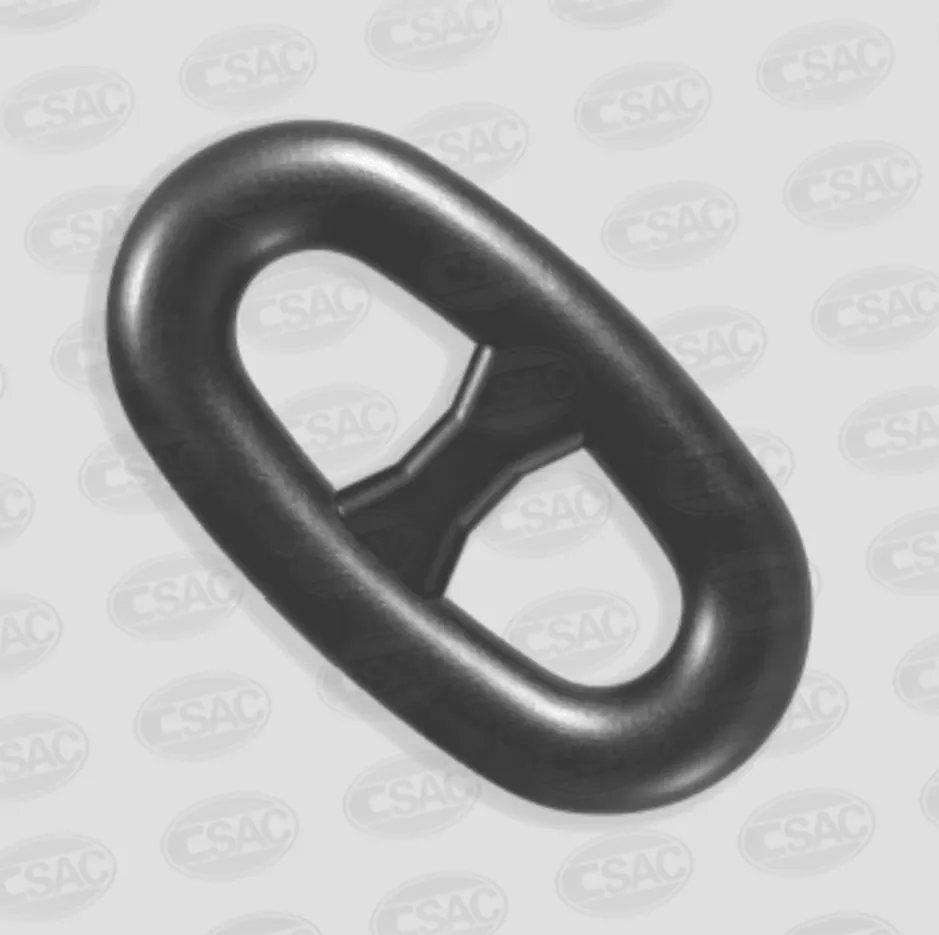
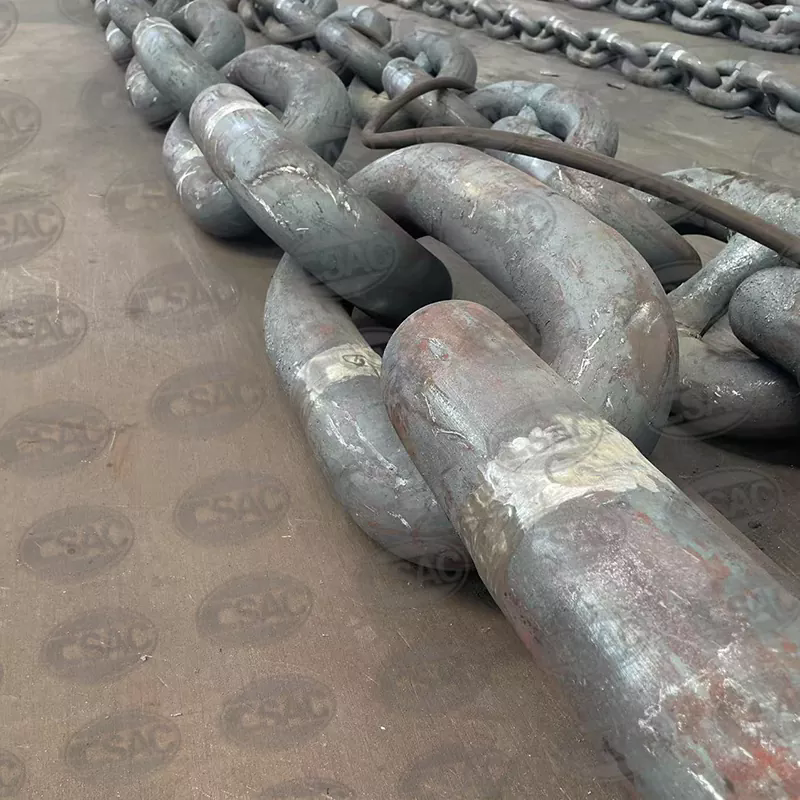
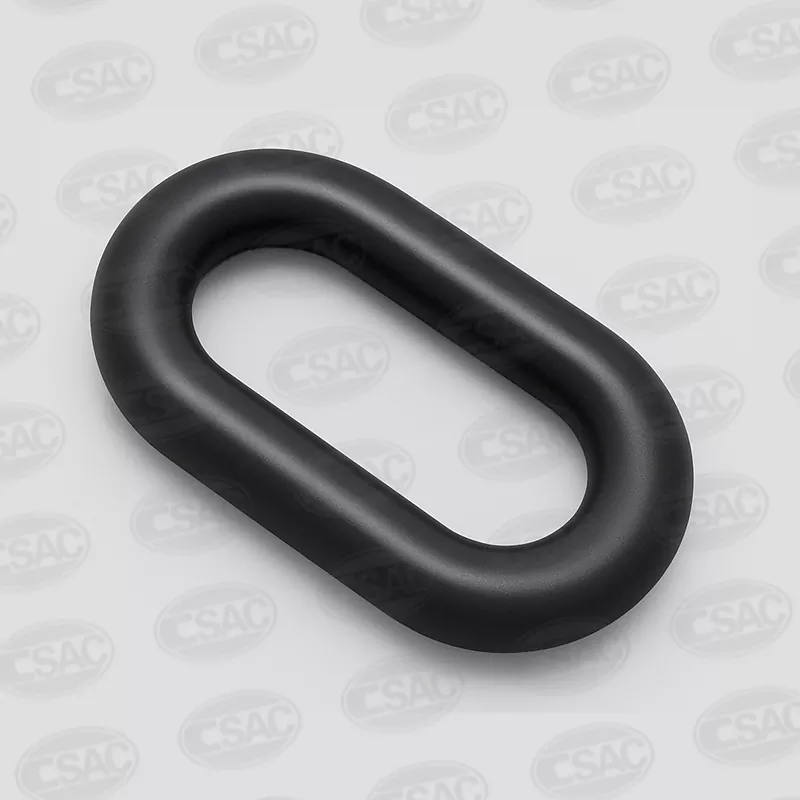
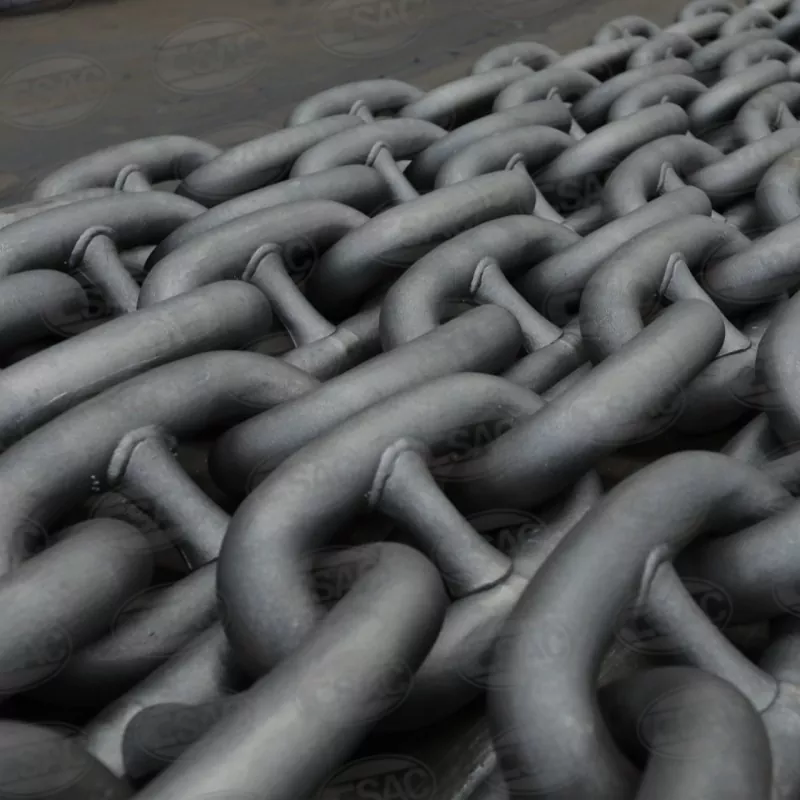
The working principle of a stud link anchor chain is relatively straightforward but highly effective. Each chain link contains a solid bar, known as a stud, positioned across the center of the link. This structural reinforcement significantly increases the chain’s ability to resist deformation under heavy loads.
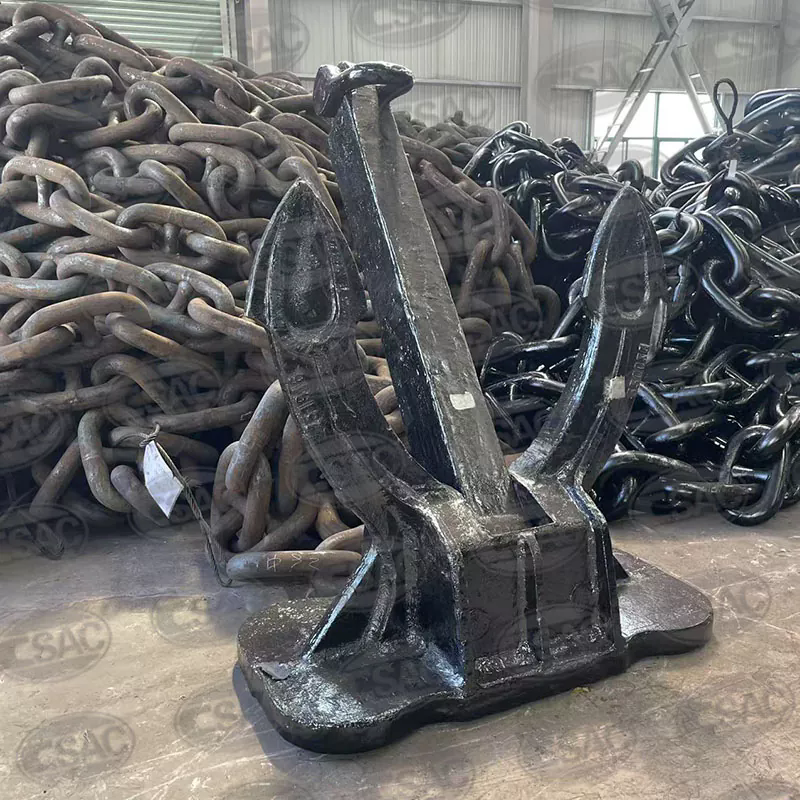
When a vessel drops its anchor, the anchor chain connects the anchor to the ship’s windlass system. The weight and flexibility of the chain allow it to rest along the seabed, forming a natural curve known as a catenary. This curve absorbs shock loads and distributes tension evenly across the chain.
The stud inside each link plays a crucial role by preventing the chain from twisting or collapsing when subjected to high tension. As a result, the chain maintains structural stability even in demanding offshore conditions.
The design of stud link anchor chains differs significantly from studless chains. Their internal reinforcement improves durability and ensures reliable performance in long-term marine operations.
Key structural elements include:
The addition of studs prevents links from deforming into oval shapes during tension loading. This structural stability is one of the primary reasons stud link chains are widely used in large vessels and offshore infrastructure.
Stud link anchor chains offer several technical advantages that address common operational challenges faced by ship operators and marine engineers.
These benefits include:
Because of these advantages, stud link anchor chains are often selected for high-tonnage ships, oil tankers, container vessels, and offshore drilling platforms.
Stud link anchor chains are manufactured in various sizes and grades to meet different maritime requirements. The selection of proper specifications depends on vessel size, anchor weight, and operating conditions.
| Parameter | Description |
|---|---|
| Material | High-strength marine-grade steel |
| Chain Diameter | Typically ranges from 12.5 mm to 162 mm |
| Chain Grade | Grade 2 and Grade 3 marine anchor chains |
| Surface Treatment | Black painted, galvanized, or anti-corrosion coating |
| Standard Compliance | International marine classification standards |
Manufacturers also conduct rigorous quality testing including tensile strength tests, proof load tests, and fatigue testing to ensure product reliability.
Stud link anchor chains are widely used in multiple marine sectors due to their strength and durability.
Common applications include:
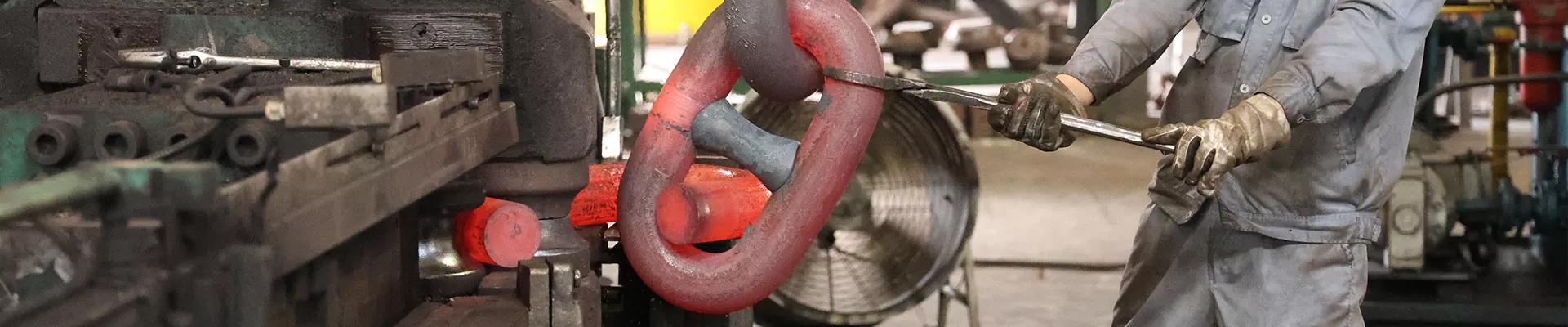
Companies such as Zhoushan Zhongnan manufacture marine anchor chains designed to meet strict international requirements for safety and performance. Their anchor chain products are engineered to provide consistent quality for global shipping and offshore industries.
Selecting the right stud link anchor chain is essential for ensuring anchoring reliability. Several important factors should be considered before purchasing.
Proper selection not only improves anchoring stability but also reduces maintenance costs and operational risks.
Even high-quality anchor chains require regular maintenance to ensure long-term performance.
Recommended maintenance practices include:
Regular inspections help identify early signs of damage and prevent unexpected failures during anchoring operations.
Q1: What is the main difference between stud link and studless anchor chains?
Stud link chains contain a reinforcing bar inside each link, which improves structural strength and prevents deformation. Studless chains are lighter but generally used for smaller vessels or mooring applications.
Q2: Why are stud link anchor chains preferred for large vessels?
Large vessels generate significant anchoring loads. Stud link chains offer greater resistance to compression and twisting, making them more suitable for heavy-duty maritime operations.
Q3: How long do stud link anchor chains typically last?
With proper maintenance and regular inspections, anchor chains can remain in service for many years. Actual lifespan depends on operating conditions, corrosion exposure, and load cycles.
Q4: Are stud link anchor chains resistant to corrosion?
Most chains are manufactured with protective coatings or treatments to improve corrosion resistance in seawater environments.
Reliable anchoring equipment plays a crucial role in maritime safety. If you are looking for high-quality stud link anchor chains designed for demanding marine environments, Zhoushan Zhongnan provides dependable manufacturing expertise and strict quality control.
For detailed product specifications, pricing information, or technical consultation, contact us today. Our professional team is ready to assist you in selecting the most suitable anchor chain solutions for your vessels and offshore operations.
Phone: +86-580-3695396
Mobile: +86-13968286968
E-mail: allsales@znmlzz.com
Address:No. 10 Xinhui Road, Zhanmao Street, Putuo District, Zhoushan City, Zhejiang Province, China
Copyright © 2025 Zhoushan Zhongnan Anchor Chain Co., Ltd. All Rights Reserved.