Follow Us:

News

What are the design differences between 3-link and 4-link swivel connectors, and how should one choose between them?

2026-07-07 0 Leave me a message

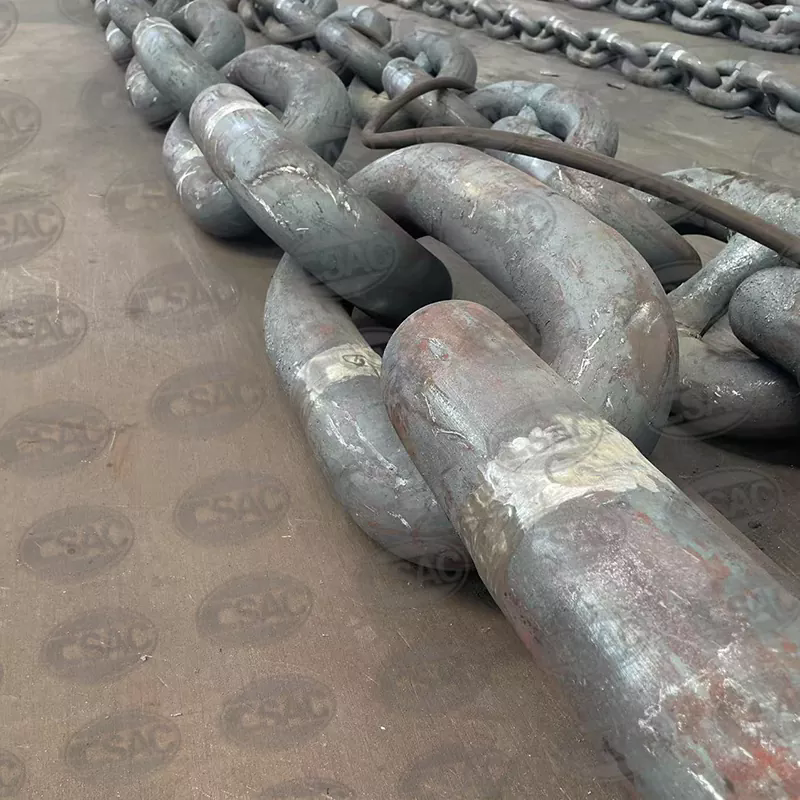
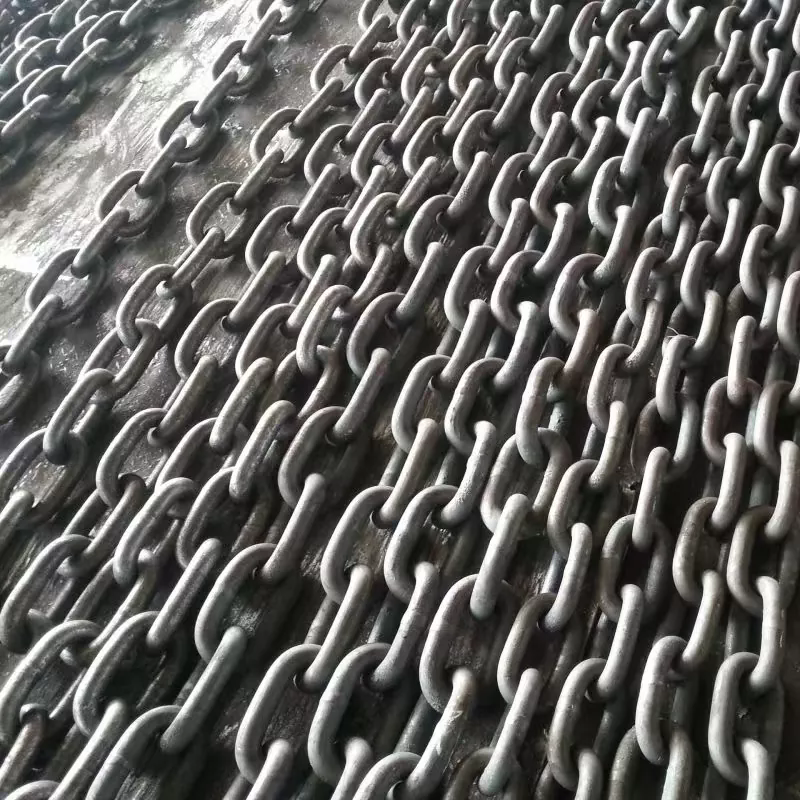
The swivel forerunner assembly is a compact but mission-critical component in a vessel’s anchoring system. Positioned between the anchor and the main anchor chain, it prevents torsion from building up along the chain as the ship yaws or swings in wind, current, and waves. Without a properly selected swivel assembly, the chain can kink, leading to excessive wear, jamming in the wildcat, and even anchoring failure.

This guide provides a structured, rule-based comparison between the two dominant configurations — 3-link and 4-link swivel forerunners — and offers clear decision-making criteria for vessel types, space constraints, and class society requirements.

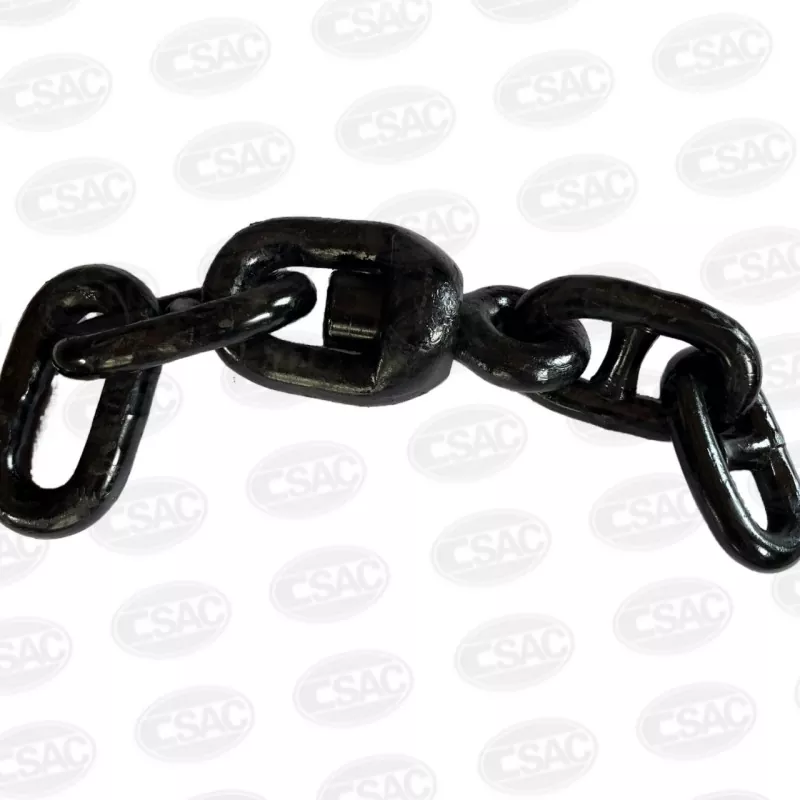
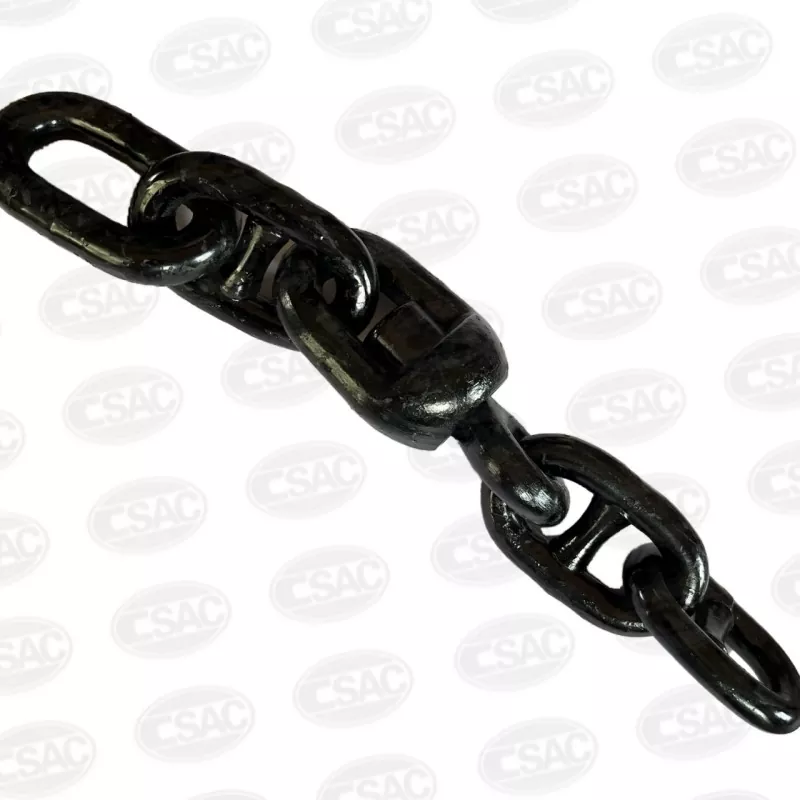
 4-link swivel forerunners

Design Standards and Material Specifications

Both configurations are manufactured in accordance with ISO 1704 (Shipbuilding – Stud-link anchor chains) and are typically produced from Grade 2 or Grade 3 alloy steel or carbon steel, with heat-treated and proof-tested components.

All swivel forerunners must be supplied with a test certificate issued by an authorised classification society, such as DNV-GL, ABS, BV, LR, or NK. The certificate shall include proof load test results, break load values (where applicable), material traceability, and dimensional verification.


Structural Difference: Component Arrangement

The functional distinction between the two designs lies in the number of links and the connection sequence, which directly affects dimensional length, compatibility with shackles, and interchangeability.

3-Link Swivel Forerunner Configuration

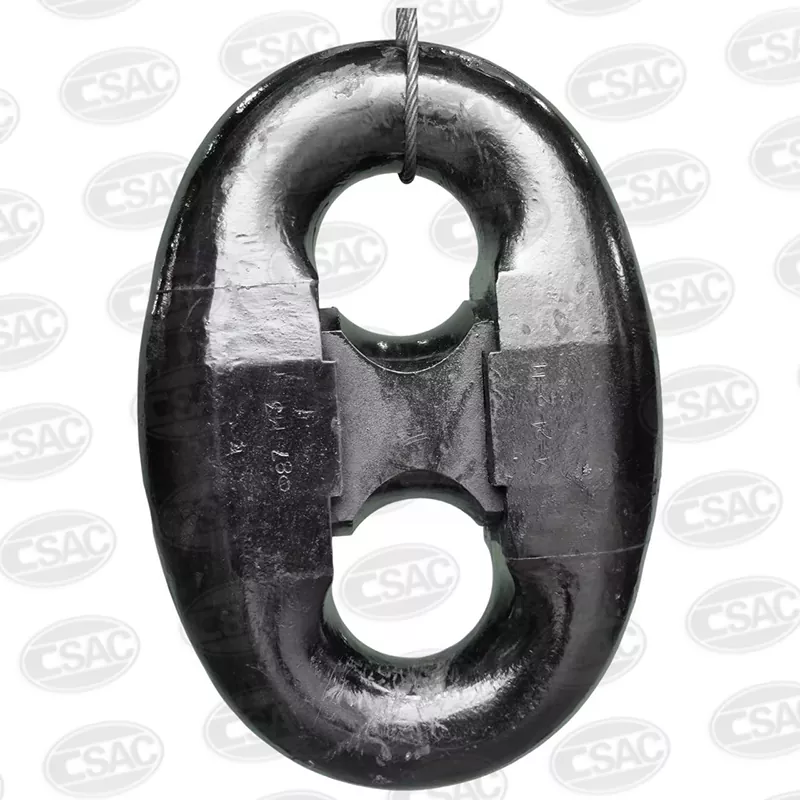
Comprises EL + SW + EL (Enlarged Link + Swivel + Enlarged Link). This compact assembly omits the end link, resulting in a shorter overall axial length. It is designed for installations where space around the anchor pocket or wildcat is restricted. However, because the end link is absent, the anchor-side connection typically requires a dedicated shackle or an adapted interface.


4-Link Swivel Forerunner Configuration

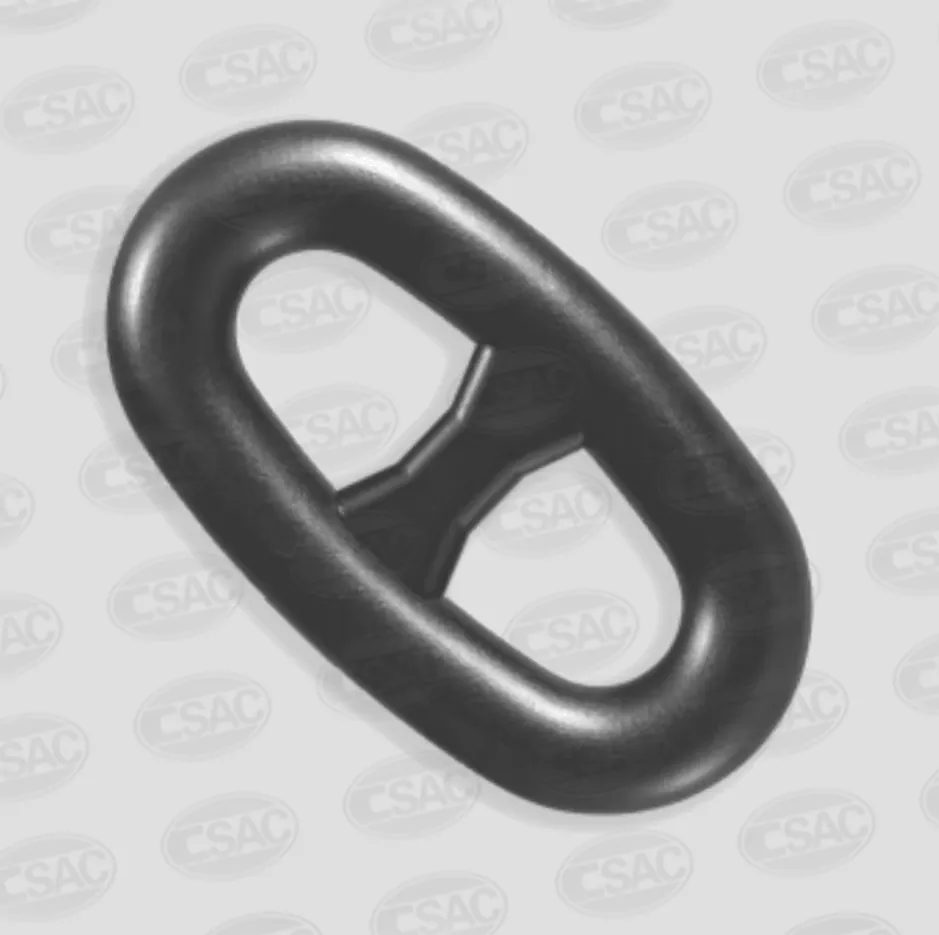
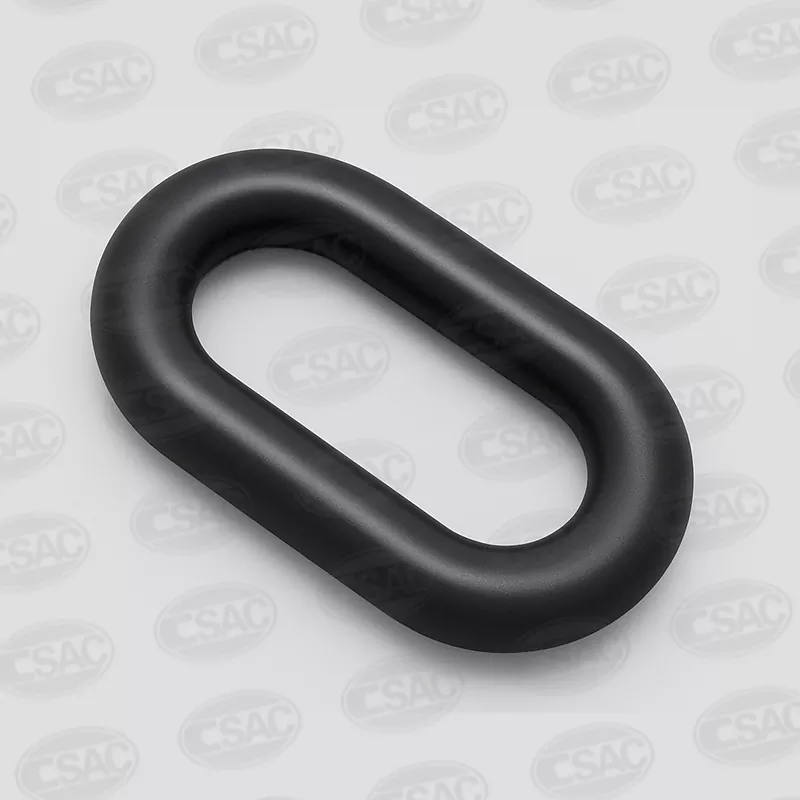
Comprises E + EL + SW + EL (End Link + Enlarged Link + Swivel + Enlarged Link). The presence of the end link (E Link) provides a larger internal opening specifically shaped to accommodate a standard D-type anchor shackle. This arrangement has become the industry norm for ocean-going merchant vessels, offering superior connectivity, easier replacement, and broader compatibility with off-the-shelf shackles.

Comparison Summary

Feature

3-Link

4-Link

Link sequence

EL + SW + EL

E + EL + SW + EL

Overall length

Shorter, more compact

Longer due to end link

Shackle compatibility

Requires special adapter / custom shackle

Direct fit for standard D-type shackles

Typical application

Compact anchor pockets, small craft, restricted spaces

Commercial deep-sea vessels, standard fit

Maintenance and spares

Less common; may require custom ordering

Industry standard; widely available


Selection Criteria – A Practical Decision Framework

The choice between 3-link and 4-link designs is not arbitrary. It should be based on the following technical and operational parameters.


Space Constraints

If the anchor chain locker, hawse pipe, or wildcat pocket imposes a strict limit on the total length of the forerunner assembly, the 3-link type offers a shorter alternative that can fit where a 4-link would not. Always verify the retracted stowage length against the vessel’s general arrangement drawings.

Vessel Type and Operational Profile


Ocean-going merchant ships (bulk carriers, container vessels, tankers) – Select the 4-link configuration. This is the standardised choice across major fleets, ensuring that replacement parts are readily available from any global port supplier and that class surveyors will find no compatibility issues.


Tugs, offshore supply vessels, inland waterway craft, and smaller workboats – The 3-link may be acceptable or even preferable, provided that the reduced length does not compromise the shackle connection and that the assembly’s working load limit (WLL) matches or exceeds that of the main chain.


Chain Diameter and Grade Matching

Regardless of configuration, the swivel forerunner must be dimensionally matched to the nominal chain diameter (typically ranging from 12.5 mm up to 162 mm). Confirm that the Grade (2 or 3) of the forerunner components is identical to or higher than that of the primary anchor chain. Mixing grades is not recommended unless specifically approved by the classification society.

Classification Society and Statutory Requirements

Consult the applicable rules of the vessel’s flag state and class society. Some class notations impose additional fatigue analysis or minimum break-load margins for swivel components. Always source from manufacturers holding type-approval certificates for the relevant grade and size range, and request the full material test report (MTR) prior to installation.


Conclusion and Recommendation

The selection between 3-link and 4-link swivel forerunners ultimately hinges on a trade-off between compactness and connectivity.

For the vast majority of commercial deep-sea vessels, the 4-link type is the definitive standard — it offers straightforward shackle engagement, global availability of spares, and unambiguous acceptance by all major classification societies.

For small-tonnage, space-constrained, or specialised craft, the 3-link configuration provides a viable solution, provided that the connecting shackle interface is carefully engineered and that the assembly’s strength rating is fully documented.

As a final step, it is strongly recommended to involve the mooring equipment manufacturer and the attending class surveyor during the design or replacement phase. Only by cross-checking the forerunner’s dimensions, proof load, and material certificate against the vessel’s specific anchor-handling system can a safe, compliant, and operationally sound selection be ensured.


Related News
Leave me a message
X
We use cookies to offer you a better browsing experience, analyze site traffic and personalize content. By using this site, you agree to our use of cookies.Privacy Policy
RejectAccept