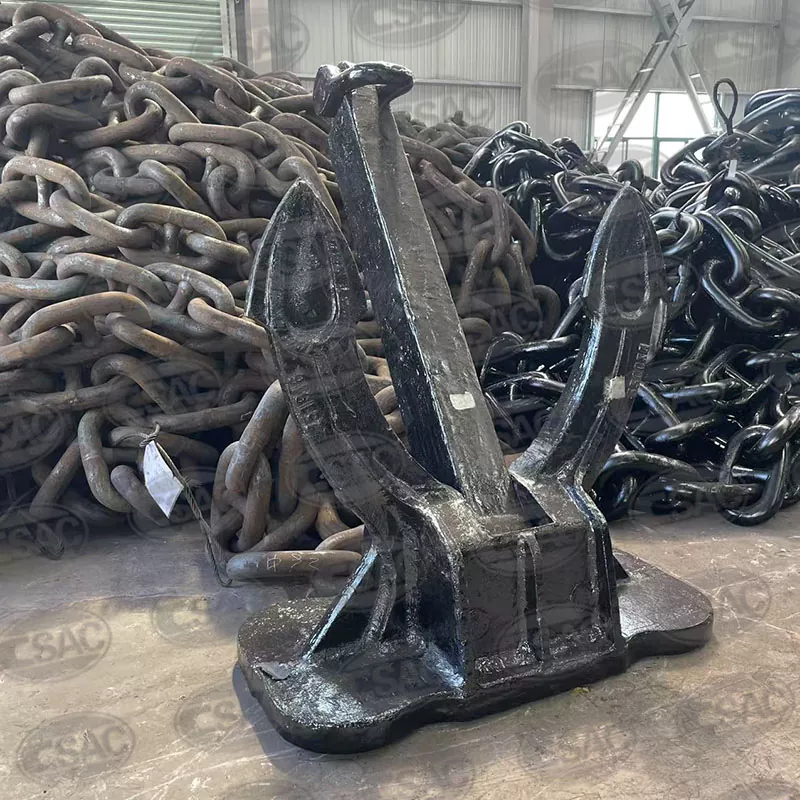
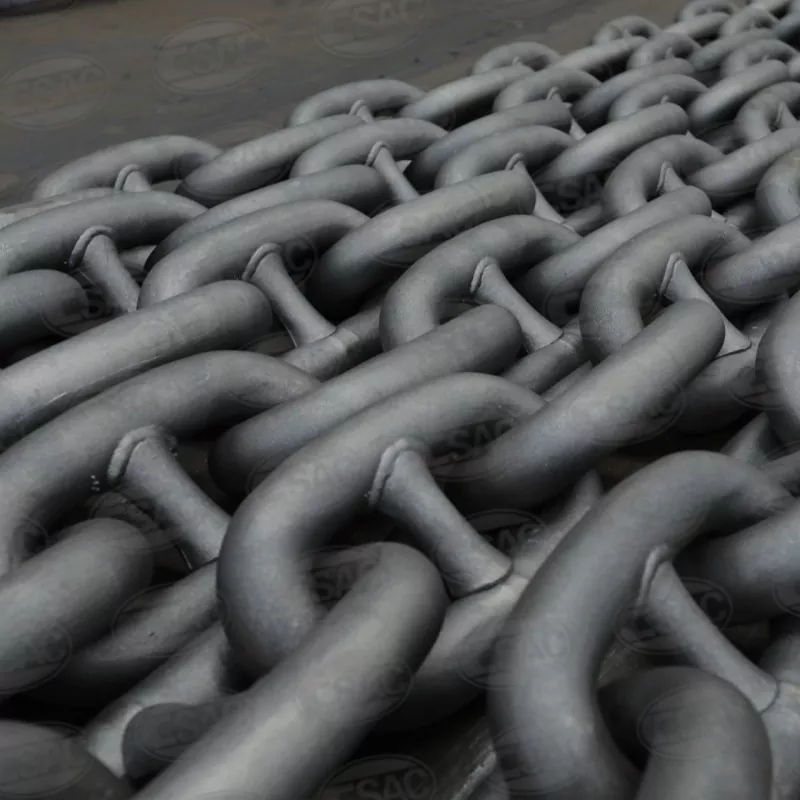
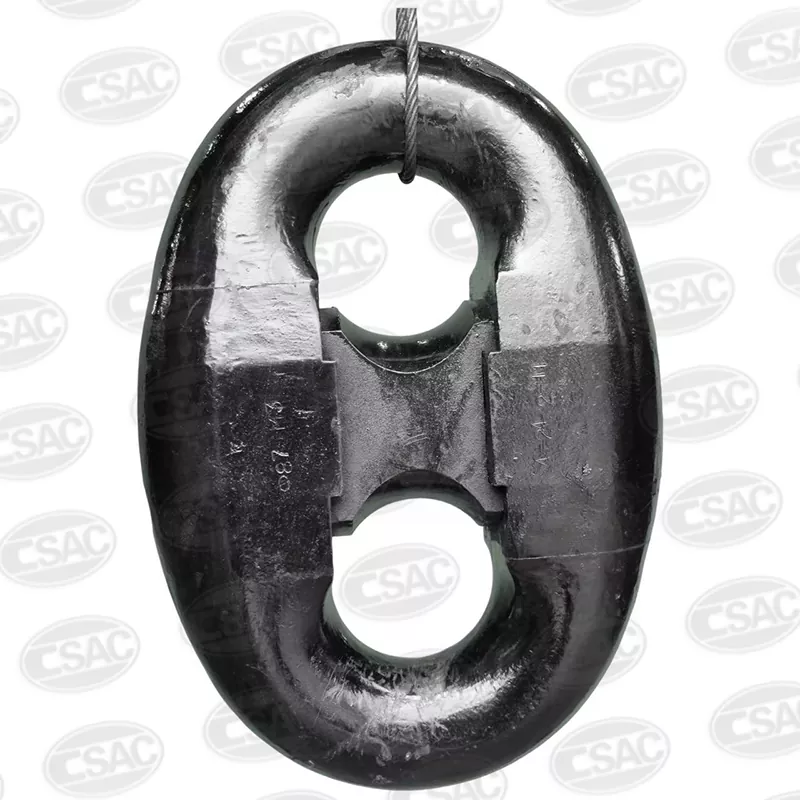
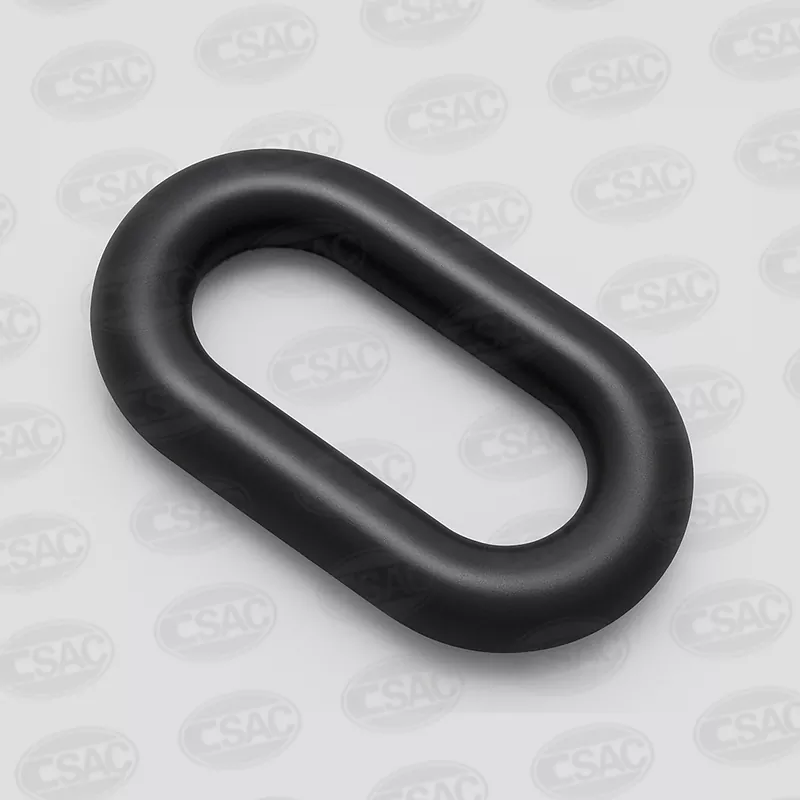
Anchor chains are critical components in marine and offshore applications, serving as the secure link between a vessel and its anchor. Without a properly designed and manufactured chain, a ship cannot safely remain in its designated position, particularly in challenging environments such as deep waters, high currents, or stormy weather. For centuries, anchor chains have evolved from basic forged links into highly engineered products designed to meet the highest safety standards in shipping, oil exploration, port construction, and naval operations.
The importance of anchor chains lies in their ability to absorb shock loads, distribute forces evenly, and provide secure holding power. When a vessel drops anchor, the chain lies along the seabed, creating resistance and ensuring that the anchor holds firmly. The weight of the chain itself provides catenary effect, reducing direct strain on the anchor shank and the ship’s hull. In addition to strength, durability and corrosion resistance are essential qualities, since chains are constantly exposed to saltwater, friction, and heavy loads.
Maritime safety authorities worldwide—such as IACS (International Association of Classification Societies) and ISO (International Organization for Standardization)—enforce strict guidelines on anchor chain production. Compliance with these regulations is not optional; it is the foundation of safe navigation and vessel operation. From cargo ships and tankers to offshore platforms, the reliability of anchor chains directly influences operational efficiency, crew safety, and environmental protection.
The question “how do anchor chains ensure safety and performance at sea?” leads us to examine not only their technical specifications but also the precision of their manufacturing, the innovations in materials used, and the professional handling of these critical products throughout their lifecycle.
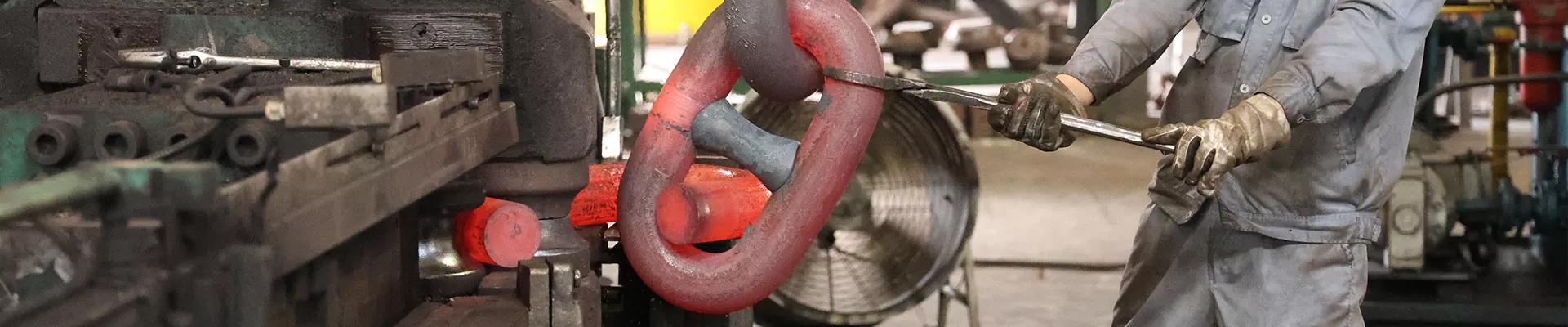
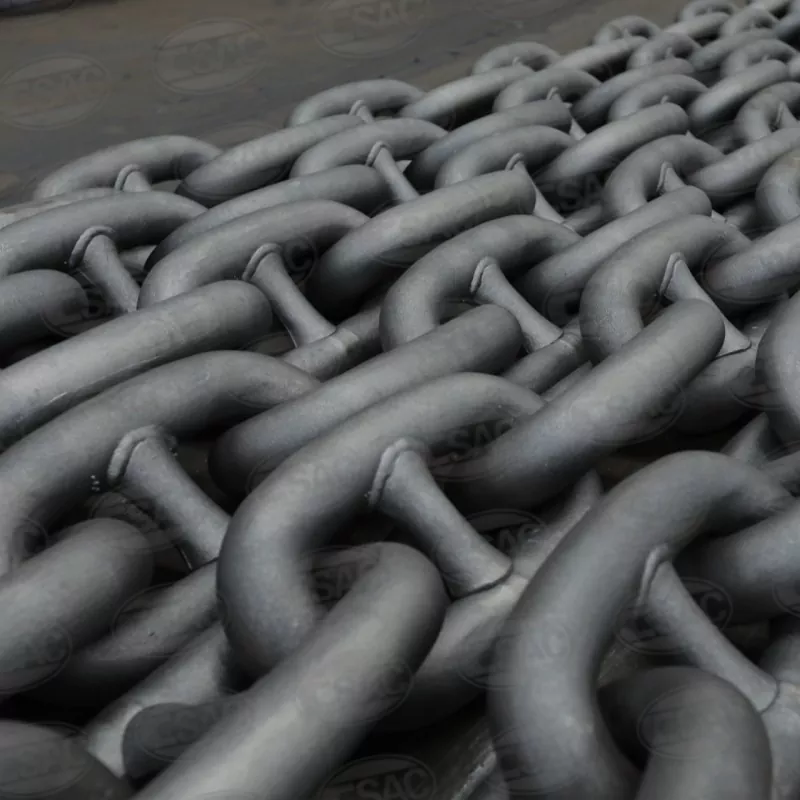
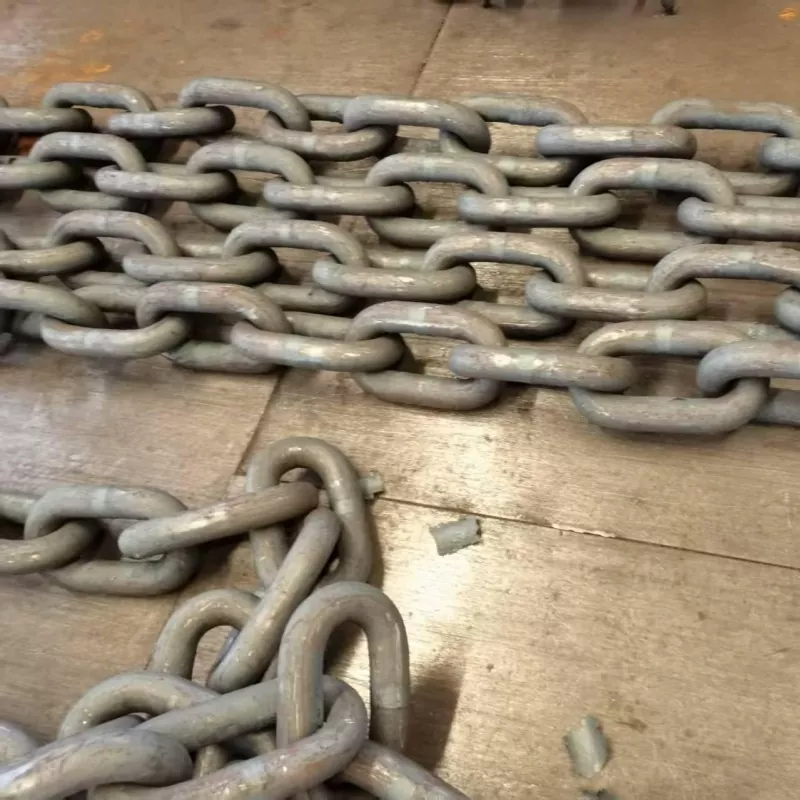
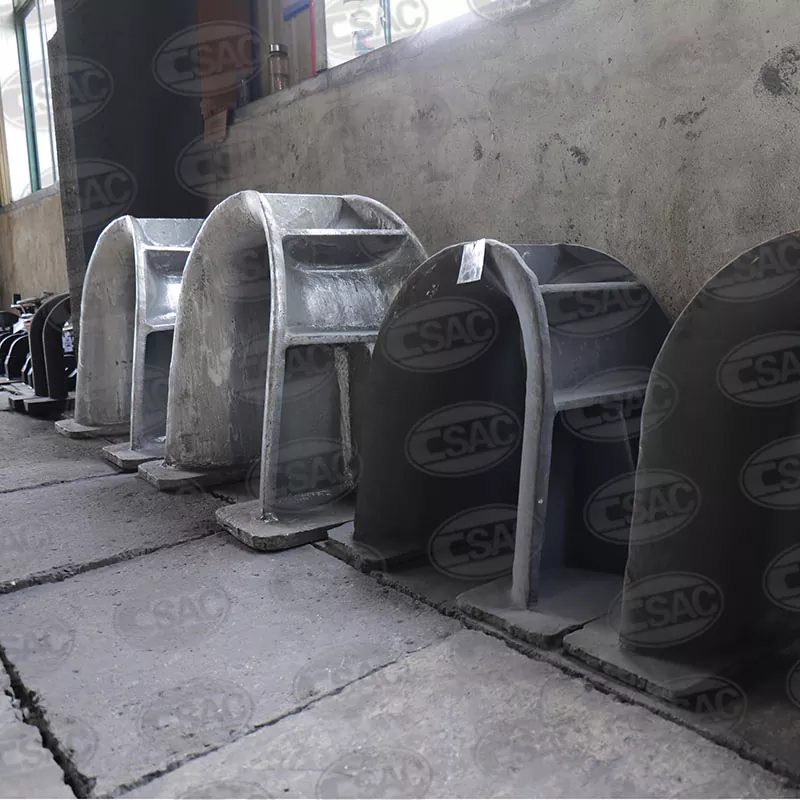
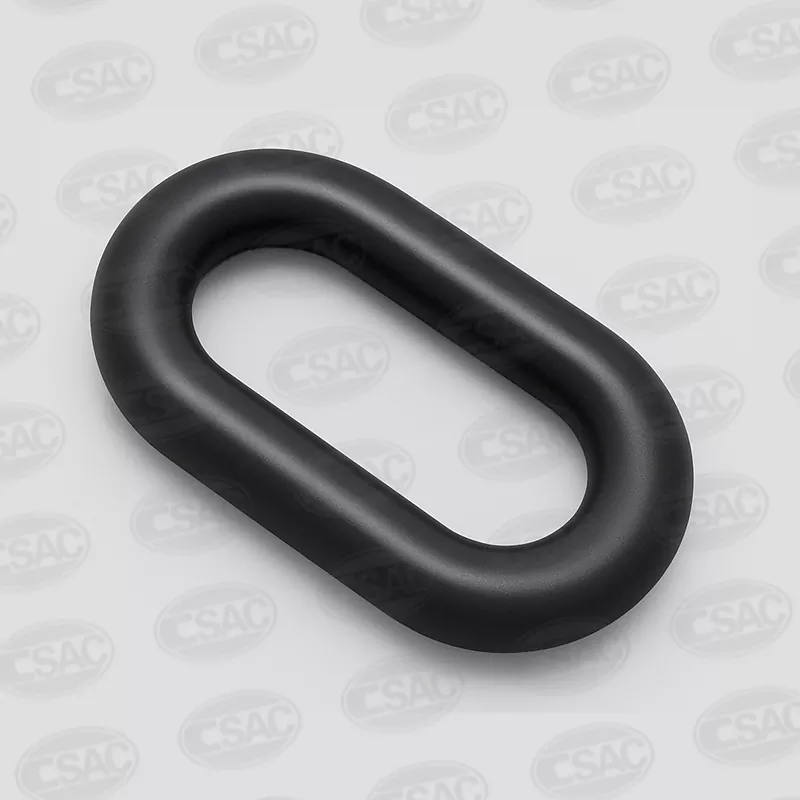
The production of anchor chains involves advanced metallurgy, precision forging, and rigorous quality control. The process begins with high-grade steel billets, chosen for their tensile strength and corrosion resistance. Each billet undergoes heating, forging, and welding to form uniform chain links. The welding seam is crucial; it must be strong enough to withstand extreme loads without compromising flexibility.
After forging, chains undergo heat treatment to improve mechanical properties. This step ensures that each link can resist both static loads (the vessel’s weight and anchor resistance) and dynamic loads (wave forces, wind pressure, and shifting currents). Surface finishing and anti-corrosion treatments, such as hot-dip galvanizing or specialized coatings, are applied to extend the service life of chains in harsh marine conditions.
Testing is the most important part of the manufacturing cycle. Reputable anchor chain producers subject their products to proof load tests, breaking load tests, impact resistance assessments, and fatigue testing. Non-destructive inspection methods, such as ultrasonic or magnetic particle testing, verify that no hidden flaws exist. Chains must meet international classification standards before they are shipped to clients.
Below is a simplified table showing typical technical parameters for anchor chains:
| Parameter | Specification Range | Notes |
|---|---|---|
| Chain Diameter | 12.5 mm – 162 mm | Selected according to vessel size |
| Material | Marine-grade alloy steel | High tensile strength & corrosion resistance |
| Proof Load | 90 – 7000 kN | Tested to classification society standards |
| Breaking Load | 150 – 10500 kN | Safety factor applied |
| Length per Shot | 25 m | Standard production unit |
| Surface Finish | Black paint, galvanized, or coating | Protection against seawater corrosion |
By adhering to these parameters, manufacturers ensure that each chain performs reliably across a wide spectrum of applications. Whether a chain is destined for a small fishing vessel or a massive crude oil tanker, the engineering behind it follows the same uncompromising standards.
Anchor chains are not just passive components; they actively contribute to maritime safety. Their design and function provide three primary benefits: stability, durability, and operational flexibility.
The weight and length of the chain contribute to the catenary curve, distributing forces across the seabed and preventing direct strain on the anchor. This allows ships to maintain position even in rough seas. A well-proportioned anchor chain minimizes drifting, protecting nearby vessels, harbor structures, and sensitive marine ecosystems.
Marine environments are among the harshest in the world, with continuous exposure to saltwater corrosion, abrasion from seabed rocks, and extreme weather. Anchor chains made from high-quality alloy steel and protected with advanced coatings can withstand years of heavy service. Regular inspection and maintenance extend their operational life, making them cost-effective investments for shipping companies.
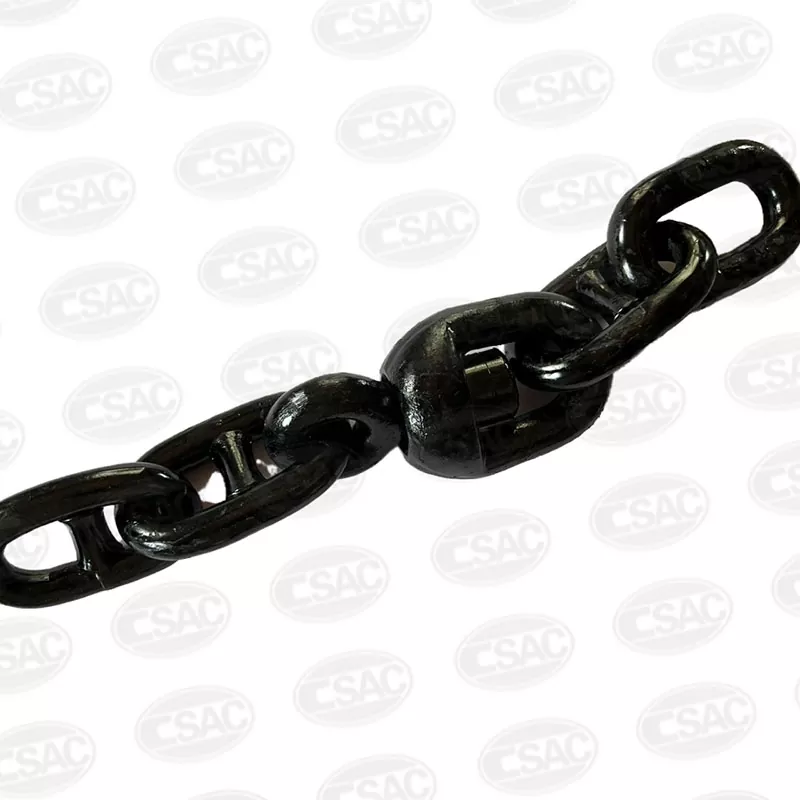
Anchor chains are designed for modularity. Each section, or “shot,” can be detached or added as needed. This feature allows operators to adjust chain length according to water depth, vessel size, and specific anchoring requirements. Quick-release and joining shackles make handling easier for crew members, reducing downtime during anchoring operations.
To illustrate the importance of operational safety, consider offshore platforms in the oil and gas industry. These structures must remain stable in deep waters where environmental forces are unpredictable. Anchor chains provide the critical link between mooring systems and seabed anchors, ensuring that the platform remains secure and functional even under intense storm conditions. Similarly, naval vessels rely on high-grade chains to guarantee precise positioning during missions where accuracy and safety cannot be compromised.
Anchor chains serve a wide range of industries beyond traditional shipping. Ports and harbors use chains in construction projects to secure floating docks. Offshore wind farms rely on them to stabilize floating turbines. Fishing fleets use lighter chains for everyday operations, while military vessels demand the highest specifications to ensure national security.
As the global maritime industry evolves, so too do the requirements for anchor chains. Environmental regulations demand better corrosion resistance to reduce marine pollution, while efficiency targets push manufacturers to create chains that are stronger, lighter, and more durable. These advancements help shipowners reduce maintenance costs and extend replacement cycles, further proving the economic value of high-quality anchor chains.
Q1: How often should anchor chains be inspected and maintained?
Anchor chains should be inspected at least once every 12 months during scheduled dry-dock or port maintenance. Inspections include visual checks for corrosion, wear measurements, crack detection, and testing of joining shackles. Regular lubrication and cleaning are recommended to reduce salt buildup and extend service life.
Q2: How do I choose the correct anchor chain size for my vessel?
The correct chain size depends on vessel displacement, operational environment, and classification society requirements. Larger vessels require thicker chains with higher proof and breaking loads. Consulting international standards, along with expert suppliers, ensures that the chosen chain matches the vessel’s anchoring system for both safety and compliance.
For over three decades, Zhoushan Zhongnan Anchor Chain Co., Ltd. has established itself as a trusted supplier of high-performance anchor chains for global markets. The company’s expertise lies in precision engineering, strict quality assurance, and continuous innovation. With a comprehensive product portfolio covering chain diameters from 12.5 mm to 162 mm, Zhoushan Zhongnan Anchor Chain Co., Ltd. serves industries ranging from merchant shipping and offshore oil exploration to naval defense and renewable energy projects.
The company’s commitment to excellence is demonstrated by its compliance with IACS standards, ISO certifications, and extensive in-house testing facilities. Clients benefit from tailor-made solutions, technical support, and efficient global logistics. By choosing Zhoushan Zhongnan Anchor Chain Co., Ltd., shipowners and offshore operators gain not only a product but also a long-term partnership dedicated to safety, performance, and reliability.
For inquiries, technical consultations, or customized anchor chain solutions, we welcome you to contact us and discover how our products can support your maritime operations worldwide.
Phone: +86-580-3695396
Mobile: +86-13968286968
E-mail: allsales@znmlzz.com
Address:No. 10 Xinhui Road, Zhanmao Street, Putuo District, Zhoushan City, Zhejiang Province, China
Copyright © 2025 Zhoushan Zhongnan Anchor Chain Co., Ltd. All Rights Reserved.