Follow Us:

News

China Stud Link Anchor Chains: How to Choose the Right Marine Anchor Chain for Safety and Long-Term Performance

2026-05-28 0 Leave me a message

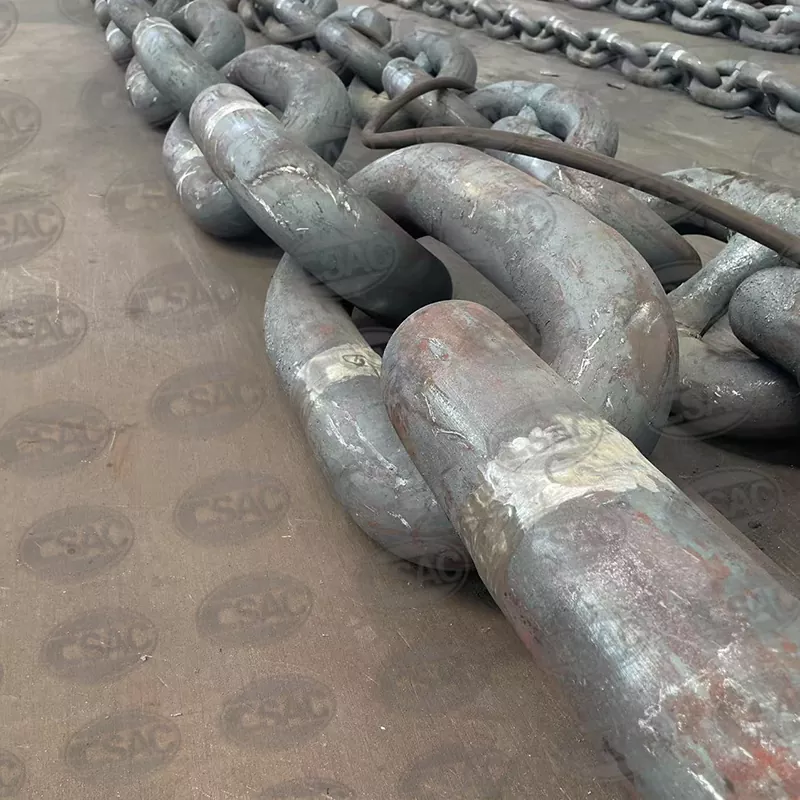
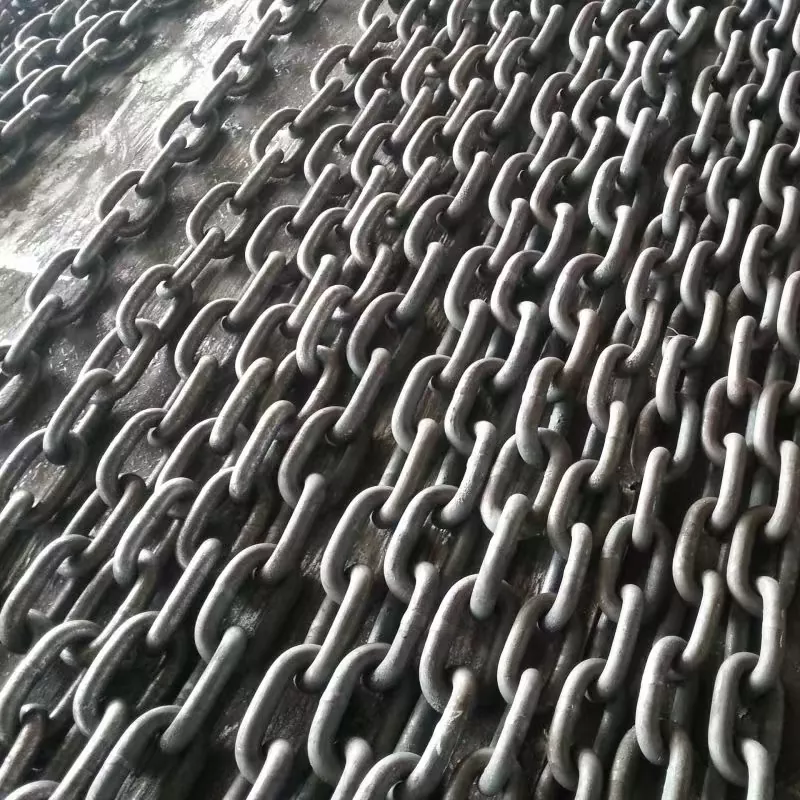
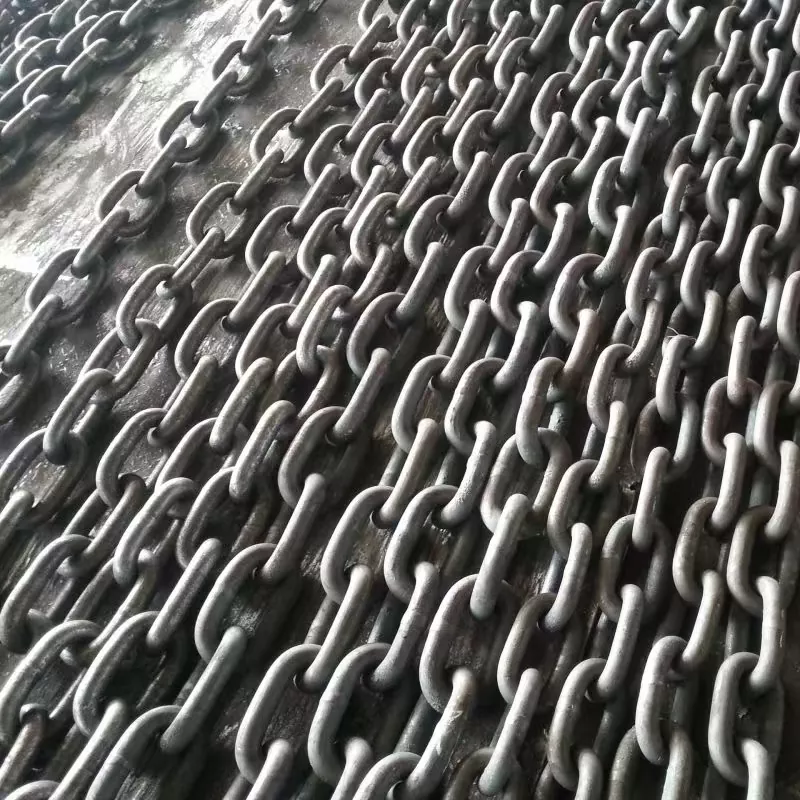
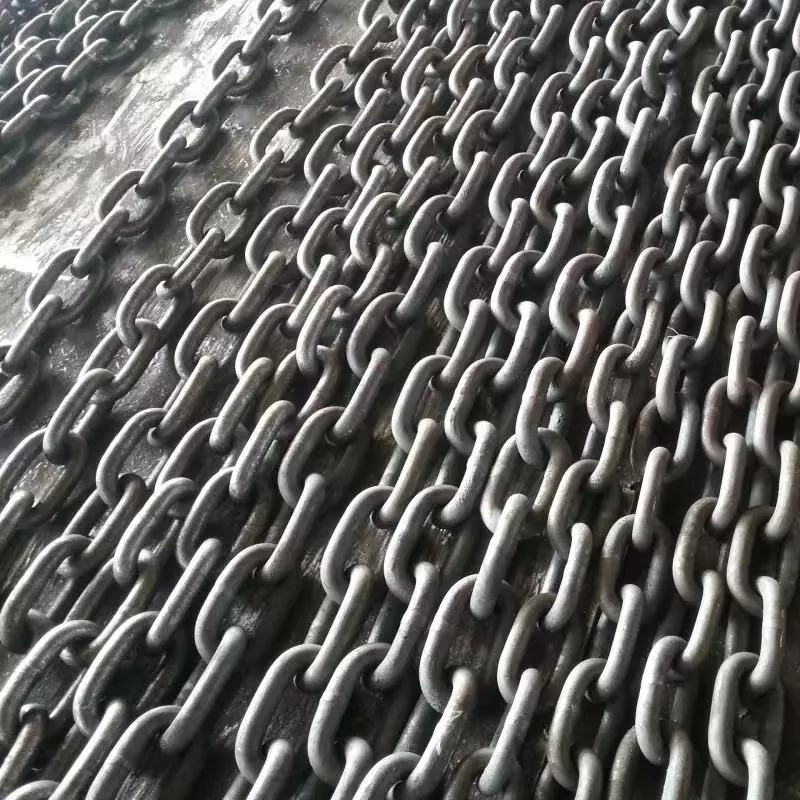
As global shipping, offshore engineering, and marine infrastructure projects continue to grow, the demand for reliable anchor chain systems has increased significantly. Among the various marine chain products available on the market, China Stud Link Anchor Chains have become widely recognized for their durability, cost efficiency, and compliance with international marine standards.

For shipowners, shipyards, offshore contractors, and marine equipment distributors, selecting the correct stud link anchor chain is critical for vessel safety, anchoring stability, and long-term operational reliability.

This article discusses the structure, advantages, applications, common purchasing concerns, and selection guidelines for stud link anchor chains.

What Is a Stud Link Anchor Chain?

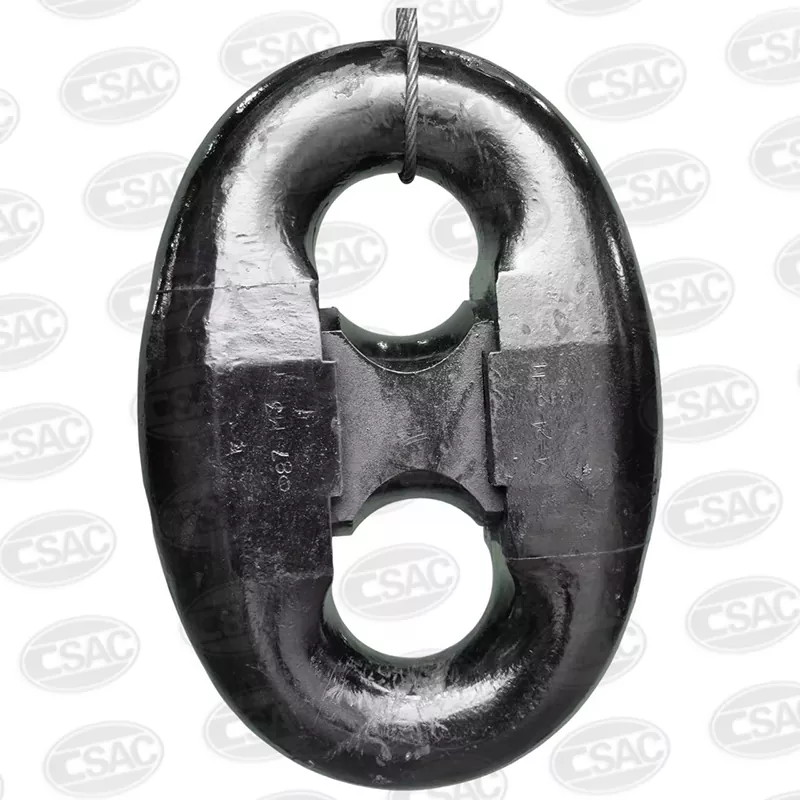
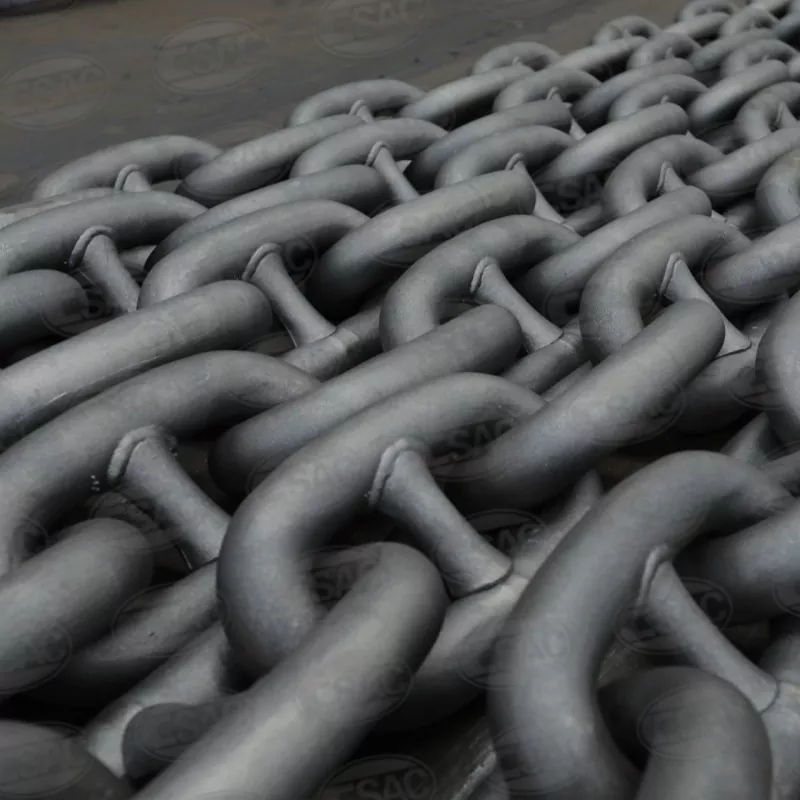
A stud link anchor chain is a heavy-duty marine chain designed with a central stud inside each chain link. The stud reinforces the shape of the link, reducing deformation and improving strength under high tensile loads.

Compared with studless chains, stud link chains offer:

  • Higher resistance to deformation
  • Better load distribution
  • Improved stability during anchoring
  • Reduced risk of chain twisting and tangling
  • Enhanced durability in harsh marine environments
  • Because of these advantages, stud link anchor chains are widely used in:

  • Commercial vessels
  • Oil tankers
  • Bulk carriers
  • Offshore platforms
  • FPSO systems
  • Port and harbor mooring systems
  • Naval vessels
  • Why Marine Operators Prefer Stud Link Anchor Chains

    In marine applications, anchor chains are constantly exposed to seawater corrosion, heavy mechanical loads, and dynamic environmental forces such as waves, tides, and storms.

    Stud link anchor chains are preferred because they can maintain structural integrity under these demanding conditions.

    Key Benefits

    Feature Benefit
    Central Stud Design Improves link rigidity and reduces deformation
    High Tensile Strength Suitable for heavy anchoring loads
    Excellent Fatigue Resistance Extends service life under repeated stress
    Better Chain Stability Reduces twisting during deployment
    Corrosion Resistance Suitable for long-term marine exposure
    Classification Society Compliance Meets international marine safety standards

    Common Problems in Marine Anchor Chain Procurement

    Many buyers face challenges when sourcing anchor chains internationally. Understanding these issues can help avoid operational risks and unnecessary costs.

    1. Inconsistent Material Quality

    Low-quality steel materials may lead to cracking, premature wear, or reduced tensile strength. Reliable manufacturers typically use certified marine-grade steel and perform strict heat treatment processes.

    2. Non-Standard Dimensions

    Improper chain dimensions can affect anchor compatibility and windlass performance. Buyers should verify chain diameter, pitch, and dimensional tolerances carefully.

    3. Poor Surface Protection

    Marine environments accelerate corrosion. Without proper surface treatment or coating, anchor chains may deteriorate rapidly.

    Common surface options include:

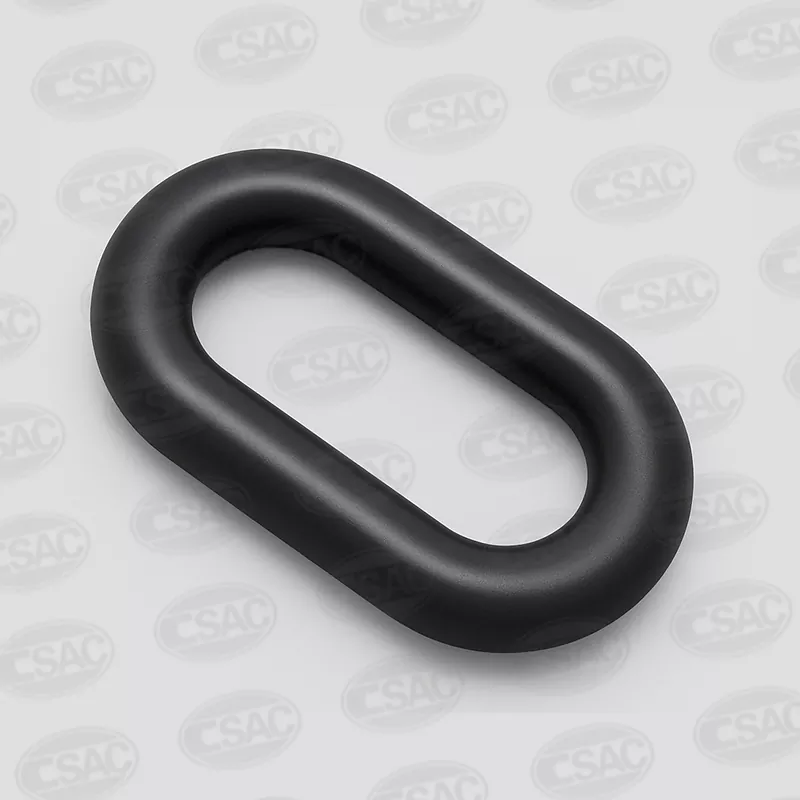
  • Black painted finish
  • Hot-dip galvanizing
  • Anti-corrosion coating systems
  • 4. Lack of Certification

    For marine projects, certification is often mandatory. Buyers should confirm whether the manufacturer can provide approvals from recognized classification societies.

    Typical certifications may include:

  • ABS
  • DNV
  • LR
  • BV
  • CCS
  • NK
  • RINA

  • How to Select the Right Stud Link Anchor Chain

    Choosing the correct anchor chain depends on vessel type, operational conditions, and classification requirements.

    Important Selection Factors

    Selection Factor Description
    Chain Diameter Determines load capacity
    Grade Common grades include U2 and U3
    Breaking Load Must match vessel requirements
    Surface Treatment Affects corrosion resistance
    Certification Required for international marine compliance
    Manufacturing Standard ISO, DIN, marine standards, etc.
    Application Environment Offshore, deep sea, harbor, or coastal use

    Stud Link vs. Studless Anchor Chains

    Although both chain types are used in marine industries, their applications differ.

    Comparison Item Stud Link Chain Studless Chain
    Structural Strength Higher Moderate
    Resistance to Deformation Excellent Lower
    Weight Heavier Lighter
    Offshore Application Preferred Limited
    Flexibility Lower Higher
    Common Use Commercial ships, offshore systems Mooring systems, special applications

    For large commercial vessels and offshore engineering projects, stud link anchor chains are generally considered the safer and more durable solution.

    Manufacturing Process of Stud Link Anchor Chains

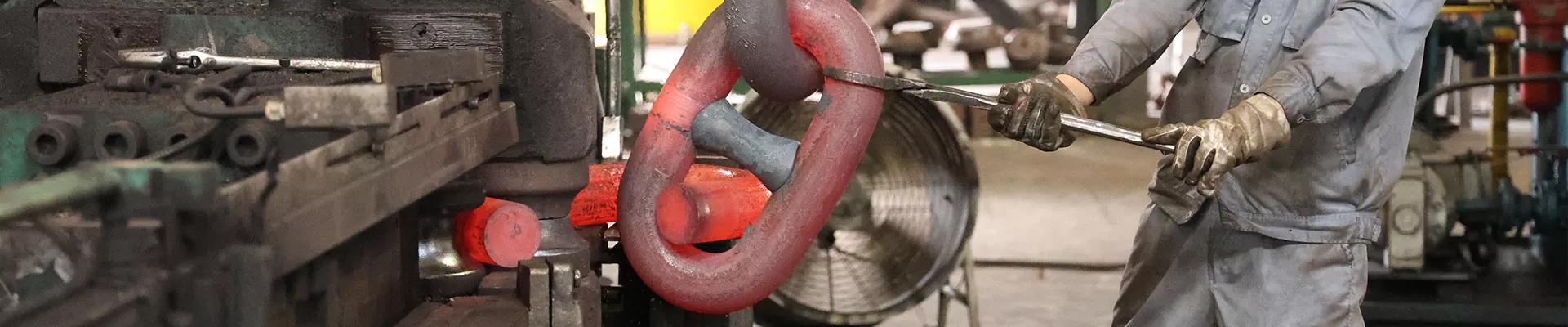
    High-quality stud link anchor chains usually undergo multiple production stages to ensure safety and performance.

    Typical Manufacturing Steps

    1. Raw material inspection
    2. Steel rod cutting
    3. Link forming and welding
    4. Stud insertion
    5. Heat treatment
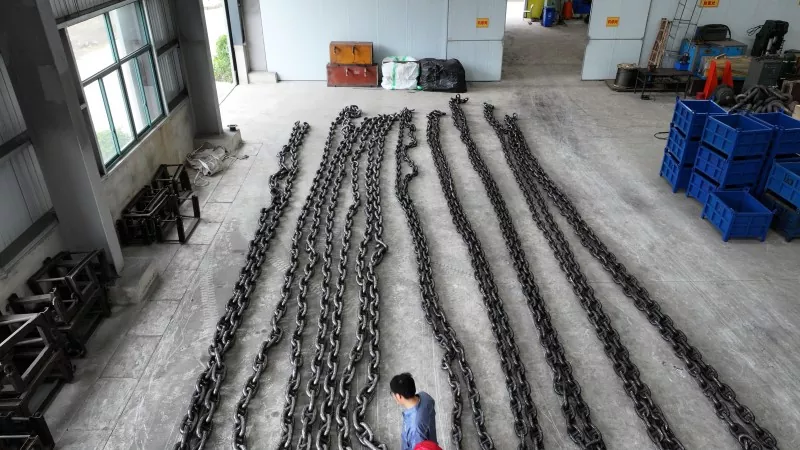
    6. Calibration and proof load testing
    7. Surface treatment
    8. Final inspection and certification

    Professional manufacturers also conduct:

  • Tensile testing
  • Impact testing
  • Non-destructive testing
  • Dimensional inspection
  • These procedures help ensure that every chain meets marine industry standards.

    Growing Global Demand for China Stud Link Anchor Chains

    China has become one of the major manufacturing hubs for marine anchor chains due to:

  • Mature steel supply chains
  • Advanced forging and welding technology
  • Competitive production costs
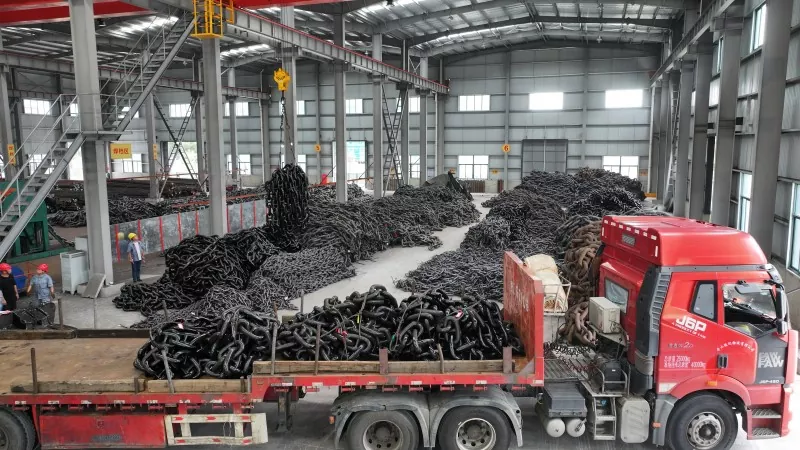
  • Large-scale manufacturing capability
  • Export experience in marine equipment
  • Today, many Chinese manufacturers supply anchor chains to global shipyards, offshore engineering companies, and marine distributors.

    However, buyers should still evaluate suppliers carefully based on:

  • Production experience
  • Quality control systems
  • Certification capability
  • Export history
  • Technical support
  • Delivery reliability
  • Maintenance Tips for Anchor Chains

    Proper maintenance significantly extends the service life of marine anchor chains.

    Recommended Maintenance Practices

  • Inspect chains regularly for wear and corrosion
  • Clean salt deposits after operation
  • Lubricate moving components when necessary
  • Replace damaged links immediately
  • Conduct periodic proof load inspections
  • Store spare chains in dry environments
  • Routine inspection can help reduce unexpected failures and improve vessel safety.

    Future Trends in Marine Anchor Chain Technology

    As offshore engineering projects move into deeper waters and harsher environments, anchor chain technology is also evolving.

    Industry trends include:

  • Higher-strength steel materials
  • Improved anti-corrosion coatings
  • Automated quality inspection systems
  • Smart monitoring for chain wear and fatigue
  • More environmentally friendly manufacturing processes
  • Manufacturers capable of meeting these evolving technical requirements are expected to gain stronger competitiveness in the global marine equipment market.

    Conclusion

    China Stud Link Anchor Chains play an important role in modern marine and offshore industries. Their superior strength, stability, and durability make them a preferred choice for demanding anchoring applications.

    For shipowners and marine equipment buyers, selecting a reliable manufacturer with strong quality control, certification support, and international export experience is essential for ensuring long-term operational safety and cost efficiency.

    As marine engineering projects continue to expand globally, the demand for high-performance stud link anchor chains is expected to remain strong in the coming years.

    FAQ

    What is the difference between stud link and studless anchor chains?

    Stud link chains contain a reinforcing stud inside each link, which improves strength and reduces deformation. Studless chains are lighter and more flexible but generally offer lower structural stability.

    What grades are commonly used for stud link anchor chains?

    The most common grades are U2 and U3. U3 chains provide higher tensile strength and are typically used for larger vessels and offshore applications.

    Are China stud link anchor chains certified?

    Professional manufacturers can provide certifications from major classification societies such as ABS, DNV, BV, LR, and CCS depending on project requirements.

    How long does a marine anchor chain last?

    Service life depends on operating conditions, maintenance, and corrosion exposure. With proper maintenance, high-quality anchor chains can last for many years.

    Can stud link anchor chains be customized?

    Yes. Many manufacturers offer customized sizes, grades, coatings, and certification options according to customer requirements.

    Related News
    Leave me a message
    X
    We use cookies to offer you a better browsing experience, analyze site traffic and personalize content. By using this site, you agree to our use of cookies.Privacy Policy
    RejectAccept