Follow Us:

News

What Makes Studless Offshore Mooring Chain Essential for Safe and Reliable Offshore Operations

2026-03-24 0 Leave me a message

Article Summary: This comprehensive guide explores the critical role of studless offshore mooring chains in modern marine and offshore engineering. From structural advantages and material selection to application scenarios and maintenance strategies, this article provides deep insights into why studless chains are widely used in offshore mooring systems.

Studless Offshore Mooring Chain

Table of Contents


1. What is a Studless Offshore Mooring Chain?

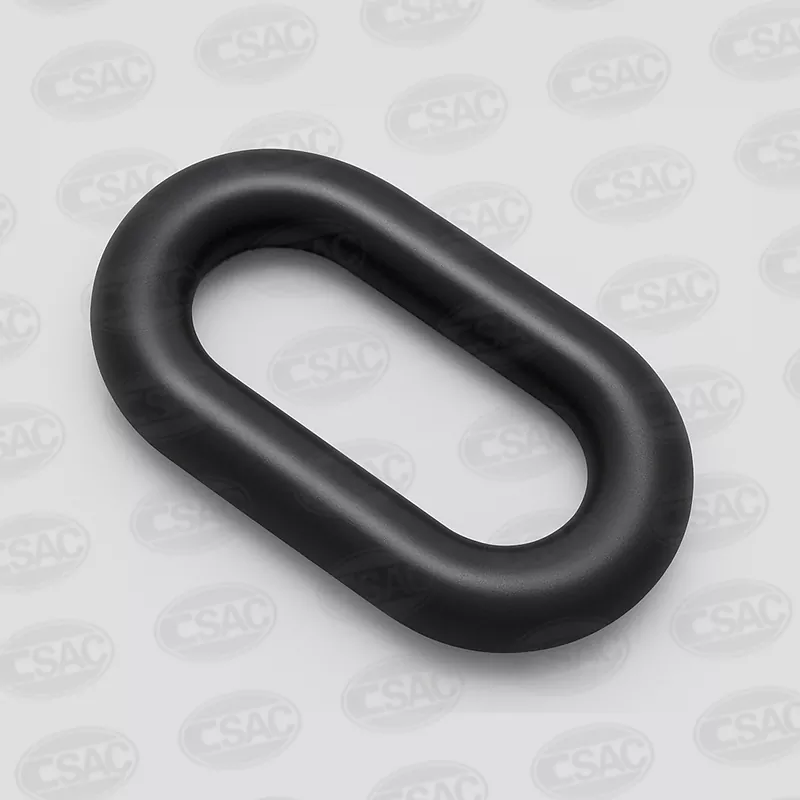
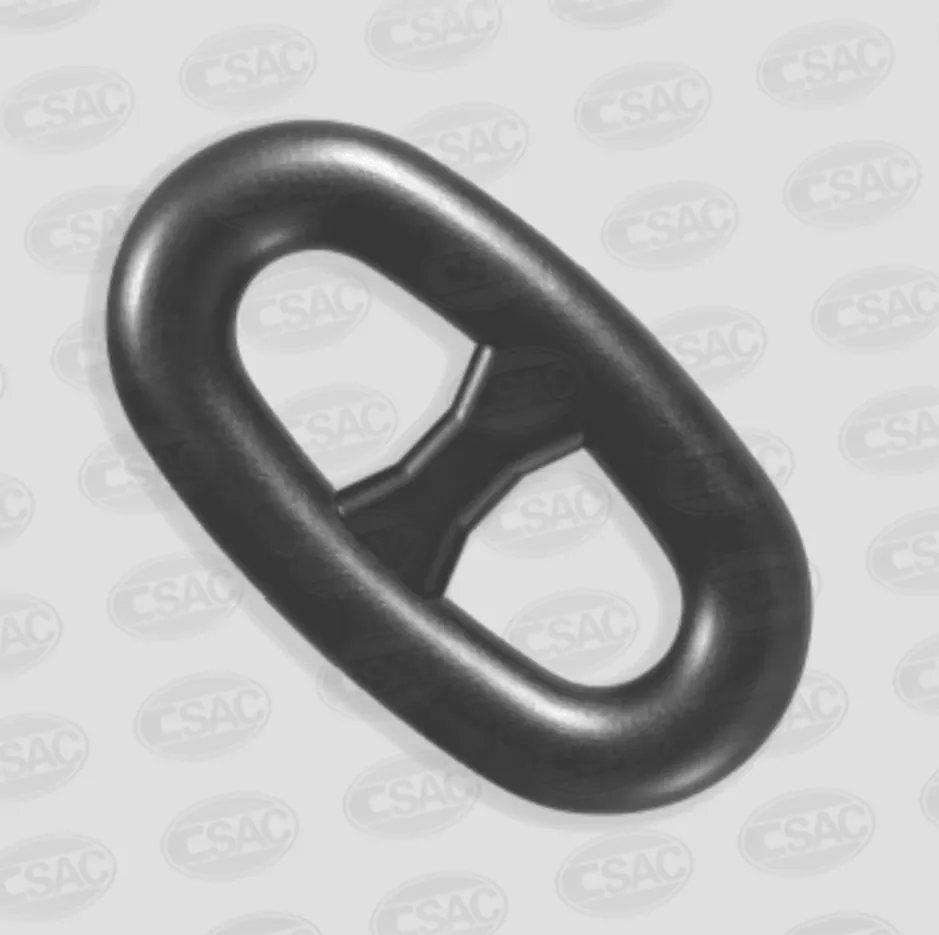
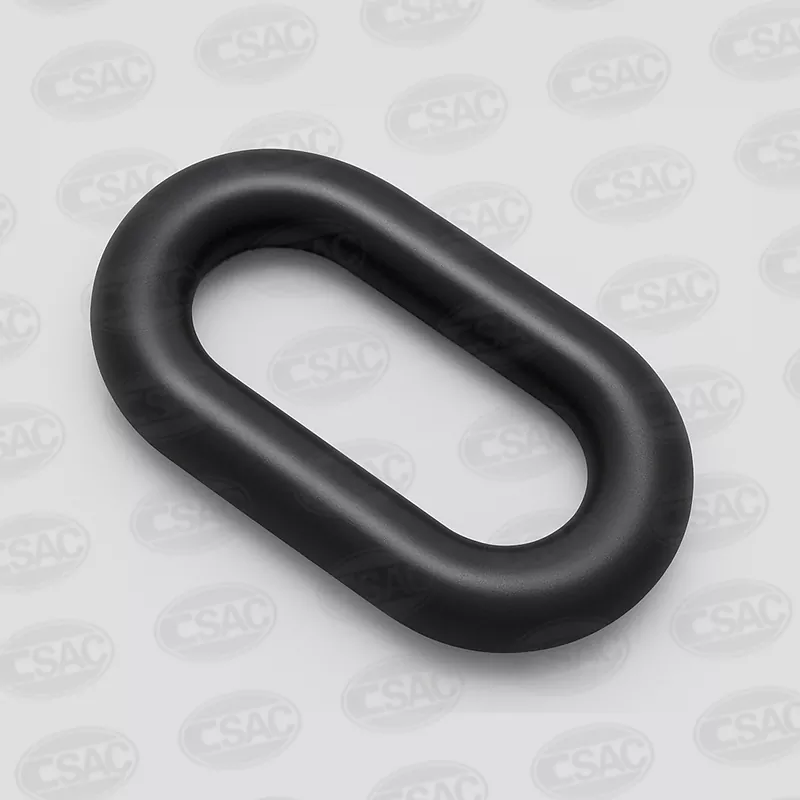
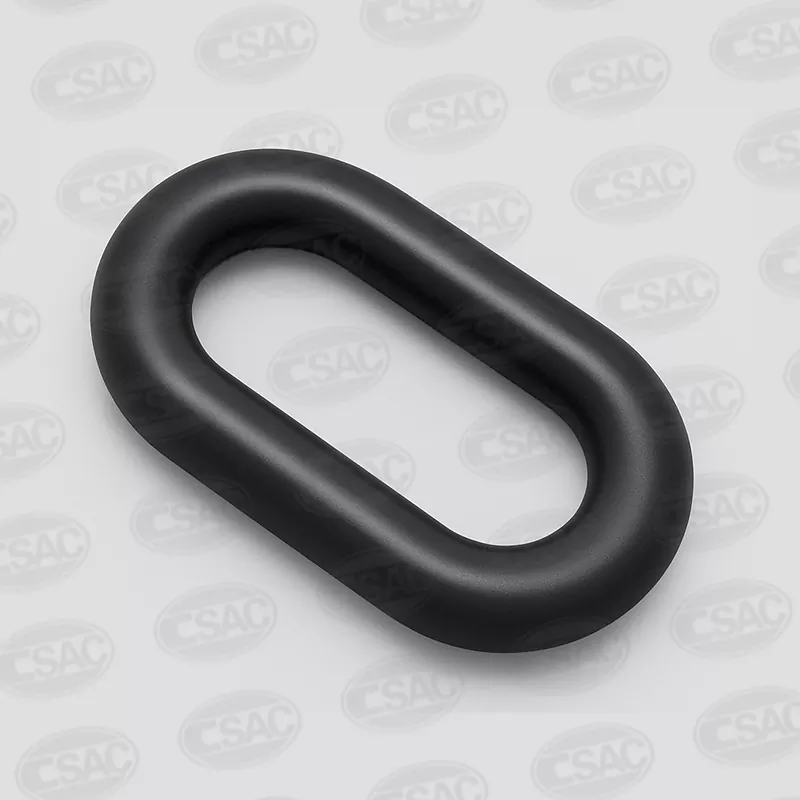
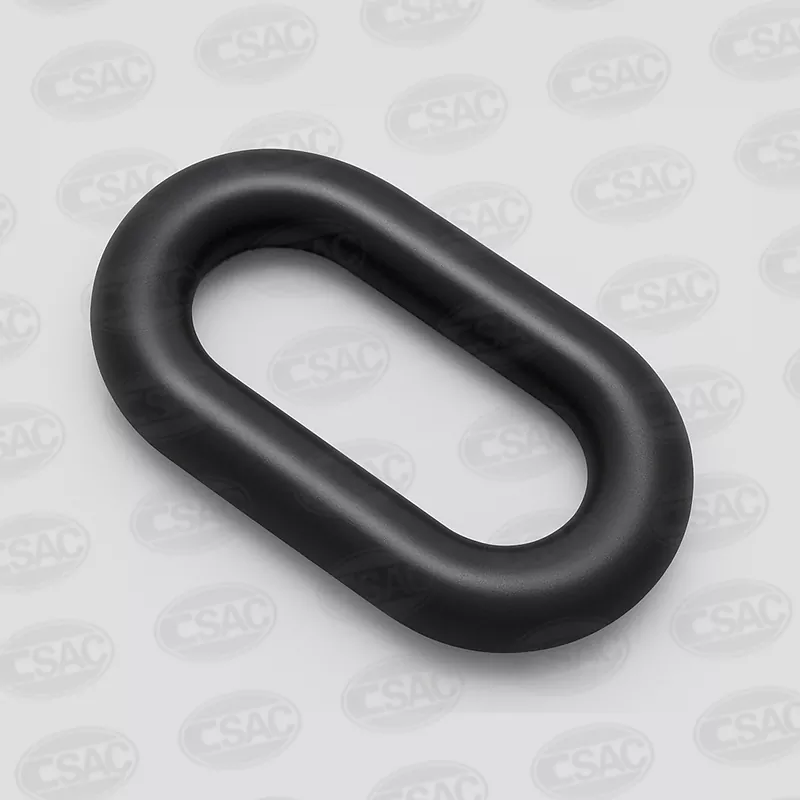
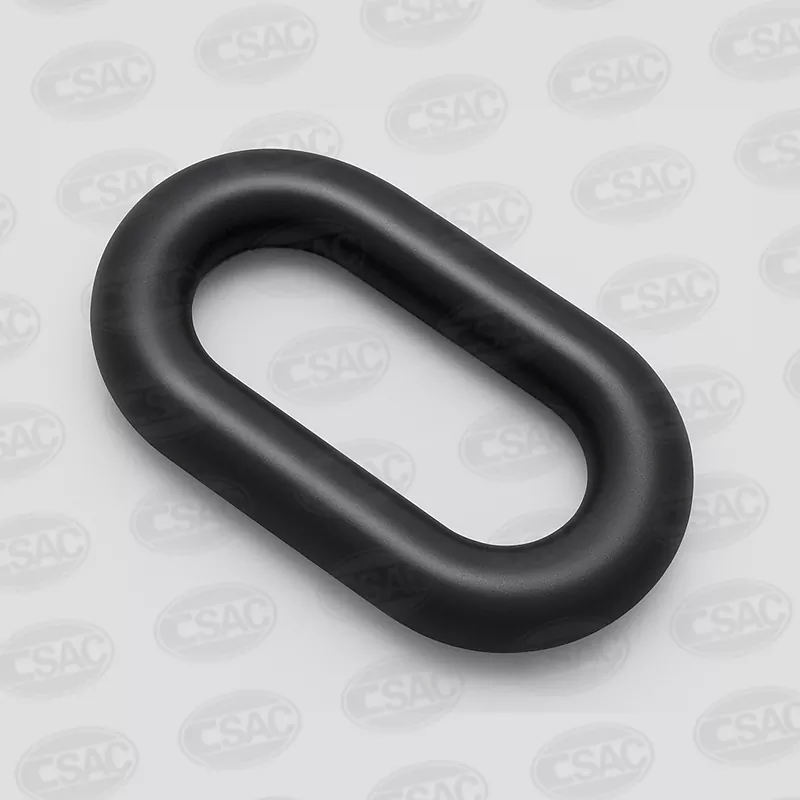
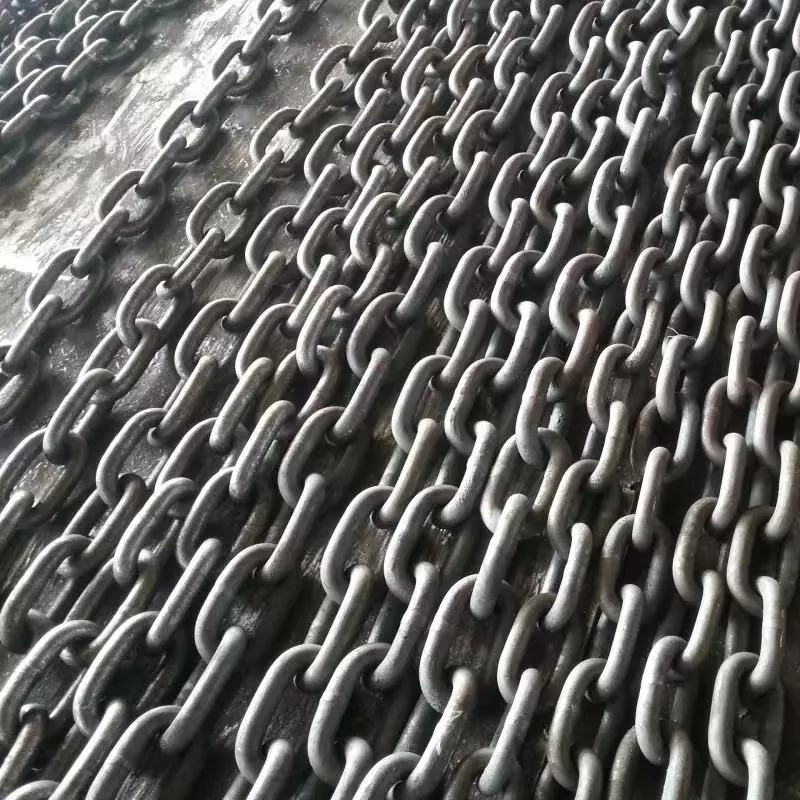
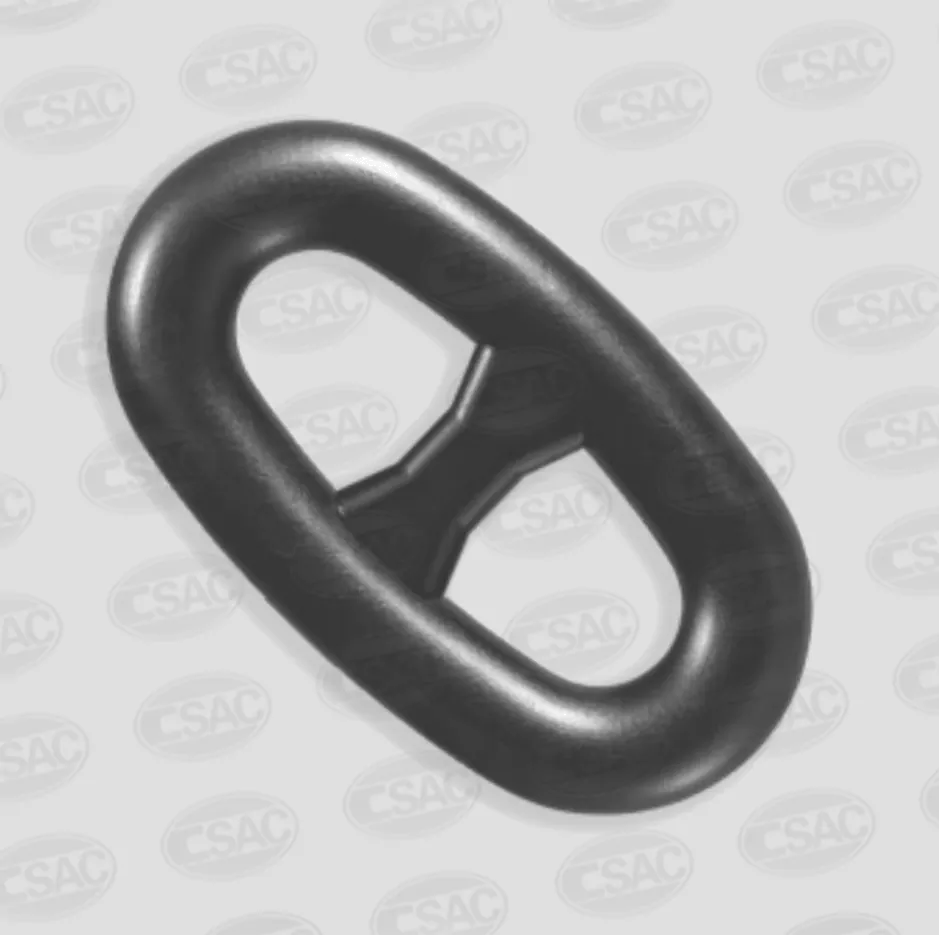
A studless offshore mooring chain is a type of heavy-duty chain specifically designed for anchoring and mooring offshore structures such as oil rigs, floating platforms, and ships. Unlike studlink chains, studless chains do not contain a central stud within each link, resulting in a lighter and more flexible structure.

These chains are widely used in offshore applications due to their:

  • High tensile strength
  • Superior fatigue resistance
  • Ease of handling and installation

According to industry standards, studless chains are manufactured to meet rigorous requirements such as ISO, ABS, DNV, and LR certifications.


2. Why Choose Studless Chains Over Studlink Chains?

Choosing between studless and studlink chains depends on application requirements. However, studless chains are increasingly preferred in offshore mooring systems due to several advantages.

Key Benefits:

  • Reduced Weight: No stud means lighter chain, reducing transportation and installation costs.
  • Improved Flexibility: Better adaptability to dynamic offshore conditions.
  • Cost Efficiency: Lower material and manufacturing costs.

These advantages make studless chains ideal for deepwater mooring and floating production systems.


3. Key Features and Technical Specifications

Understanding the technical specifications is crucial when selecting a mooring chain.

Parameter Description
Diameter Range 20mm – 200mm
Grade U2, U3, R3, R4, R5
Breaking Load High tensile capacity depending on grade
Surface Treatment Black, galvanized, or coated
Certification DNV, ABS, BV, LR, CCS

4. Materials and Manufacturing Standards

Studless offshore mooring chains are typically made from high-grade alloy steel to ensure durability and resistance to harsh marine environments.

Common Materials:

  • Carbon steel
  • Alloy steel (quenched and tempered)

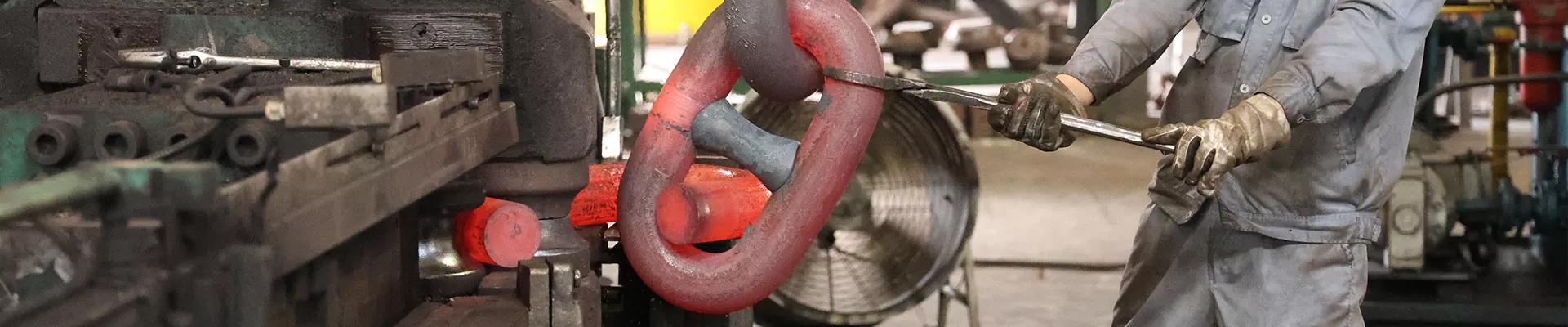
Manufacturing Process:

  1. Material selection
  2. Forging and shaping
  3. Heat treatment
  4. Proof testing
  5. Surface finishing

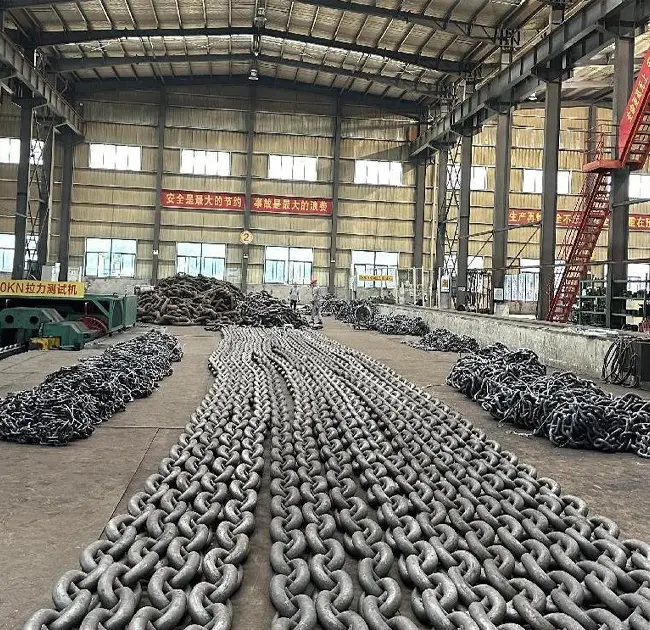
Reliable manufacturers like CSAC ensure strict compliance with international standards, guaranteeing product quality and safety.


5. Applications in Offshore Engineering

Studless mooring chains are widely used across multiple offshore sectors:

  • Floating Production Storage and Offloading (FPSO) units
  • Oil and gas drilling platforms
  • Offshore wind farms
  • Marine anchoring systems

6. Advantages in Harsh Marine Environments

Offshore environments are extremely demanding. Studless chains are engineered to perform under:

  • High salinity
  • Extreme temperatures
  • Strong currents and waves

Performance Advantages:

  • Excellent corrosion resistance
  • High fatigue life
  • Reduced risk of internal stress cracking

7. Installation and Maintenance Best Practices

Proper installation and maintenance are critical to ensuring long-term performance.

Installation Tips:

  • Ensure correct chain size and grade
  • Follow manufacturer guidelines
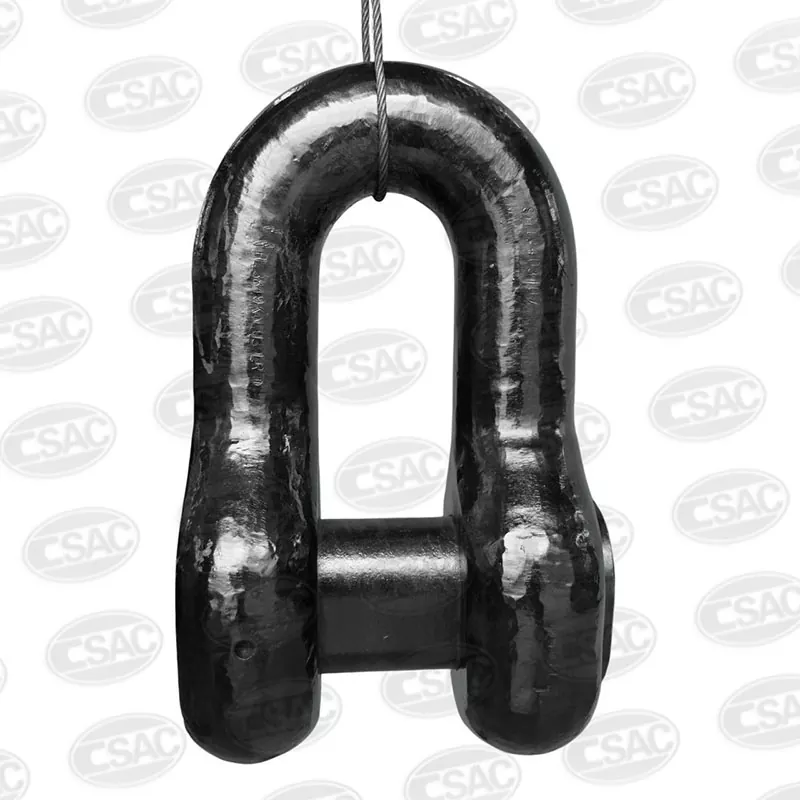
  • Use certified connectors and accessories

Maintenance Checklist:

  • Regular inspection for wear and corrosion
  • Lubrication where applicable
  • Periodic load testing

8. Comparison Table: Studless vs Studlink Chains

Feature Studless Chain Studlink Chain
Weight Lighter Heavier
Flexibility High Moderate
Cost Lower Higher
Durability High Very High

9. How to Choose the Right Mooring Chain Supplier

Selecting a reliable supplier is essential for offshore safety and efficiency.

Key Factors to Consider:

  • Certification and compliance
  • Production capacity
  • Quality control processes
  • Industry experience

Working with established manufacturers like CSAC ensures access to high-quality products and professional support.


10. Frequently Asked Questions (FAQ)

Q1: What is the difference between studless and studlink mooring chains?

Studless chains lack a central stud, making them lighter and more flexible, while studlink chains provide additional rigidity.

Q2: Are studless chains suitable for deepwater applications?

Yes, they are widely used in deepwater mooring systems due to their flexibility and high strength-to-weight ratio.

Q3: How often should mooring chains be inspected?

Regular inspections should be conducted annually or as per operational requirements.

Q4: What certifications are required?

Common certifications include DNV, ABS, LR, and CCS.

Q5: How to ensure long service life?

Proper installation, regular maintenance, and choosing high-quality suppliers are key factors.


Conclusion

Studless offshore mooring chains play a vital role in ensuring the safety and stability of offshore structures. Their lightweight design, flexibility, and cost-effectiveness make them an ideal choice for modern marine engineering applications.

If you are looking for high-quality studless offshore mooring chains backed by industry expertise, CSAC offers reliable solutions tailored to your needs. Contact us today to learn more about our products and how we can support your offshore projects.

Related News
Leave me a message
X
We use cookies to offer you a better browsing experience, analyze site traffic and personalize content. By using this site, you agree to our use of cookies. Privacy Policy
Reject Accept