Follow Us:

News

Which Anchor Chain Shackles actually stand up to harsh sea days and still make financial sense?

2025-11-18 0 Leave me a message

I run equipment that fails if any weak link slips, so I obsess over details long before a swell tests them. Over the years I’ve learned that the right supplier matters as much as the right grade. That’s why I pay attention to makers like Zhoushan Zhongnan when I evaluate Anchor Chain Shackles for new builds and refits. I’m here to explain the checks I use on deck and in the yard so your gear earns its keep rather than your downtime.

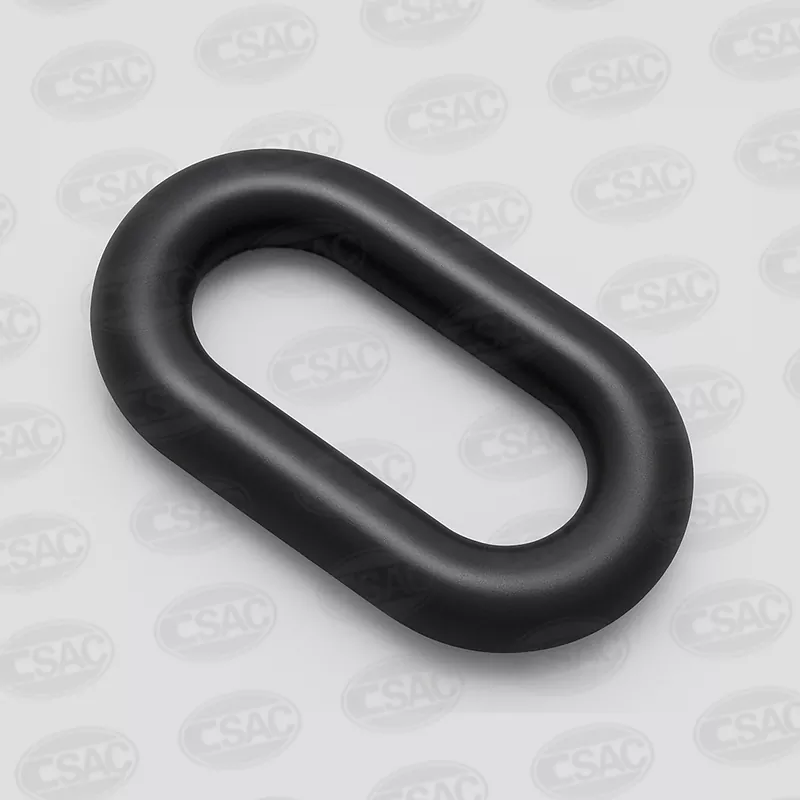
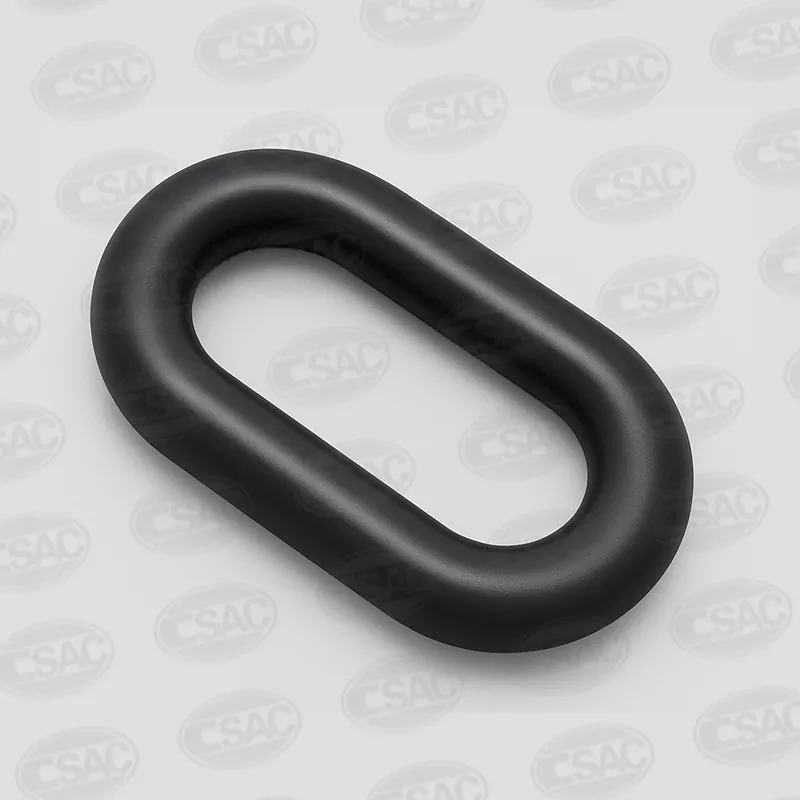
Anchor Chain Shackles

Why do small choices around Anchor Chain Shackles turn into big risks?

  • Pin security decides whether vibration loosens hardware during a long tow. Screwed collars without positive locking can back out under cyclic load.
  • Material quality drives fatigue life. Alloy steels with controlled cleanliness resist crack initiation better than basic carbon steel, especially around thread roots.
  • Geometry sets real-world working load. A generous bow radius reduces stress concentration when chain angles shift.
  • Coating affects inspection. Hot-dip galvanizing adds life but hides fine cracks if it’s too heavy; mechanical plating looks neat but may chip at contact points.

How do I size, rate, and verify without guesswork?

  1. Match nominal shackle size to chain diameter and intended lead angles, not just straight-line WLL.
  2. Ask for proof-load certificates tied to serial numbers. I log them alongside the vessel’s rigging plan.
  3. Check that WLL and MBL follow a consistent safety factor across the set, especially when mixing lots.
Type Material and Grade Typical WLL Range Pin Style Finish Standards Best Use Notes
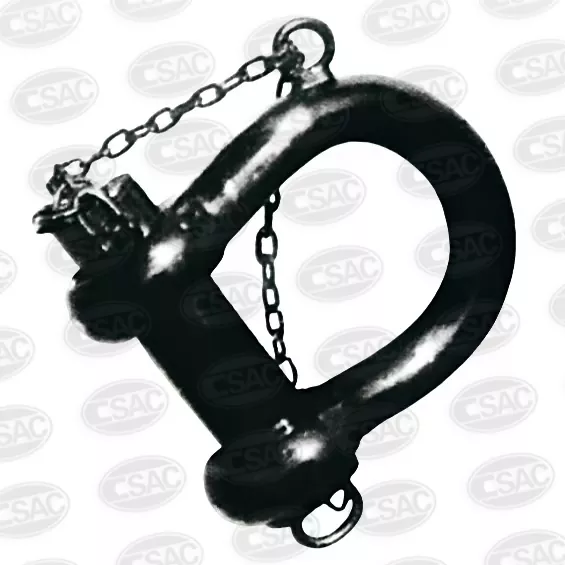
Bow shackle Alloy steel, Grade 80/100 2 t – 150 t Screw pin or bolt-nut-cotter HDG or zinc flake ISO 2415, EN 13889 Multi-angle loads with chain swivels Handles side-load better than D-type
D-shackle Alloy steel, quenched and tempered 1 t – 120 t Bolt-type with cotter preferred HDG, painted ID stripe ISO 2415, DNV rules Straight pulls, compact terminations Higher stress if angle exceeds 6°
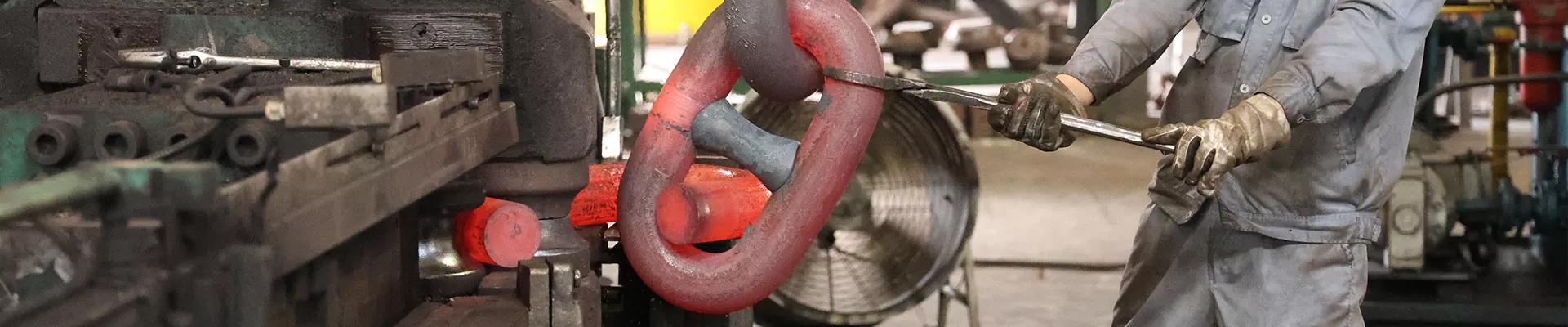
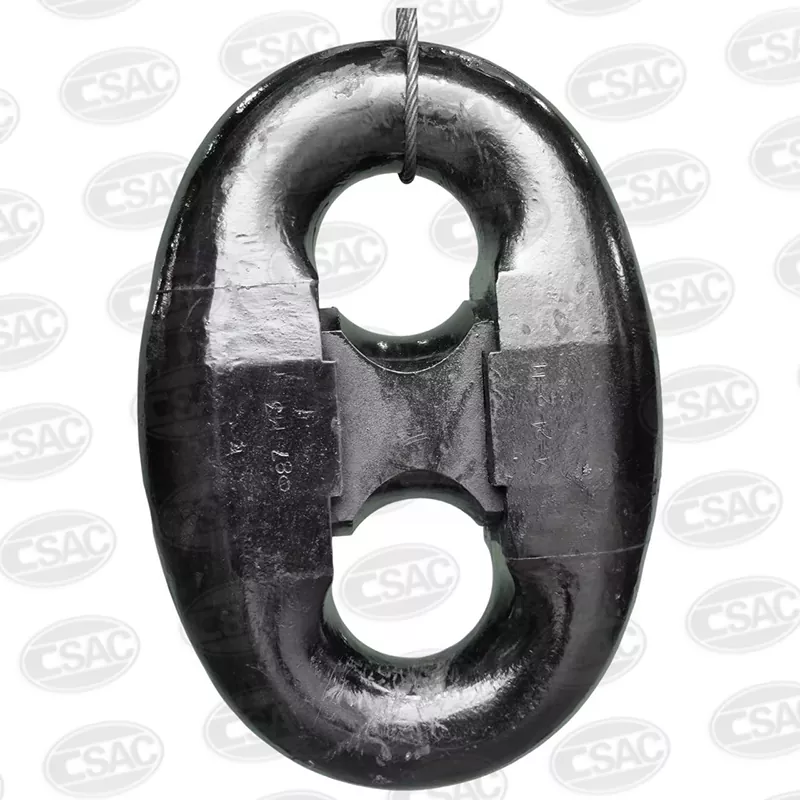
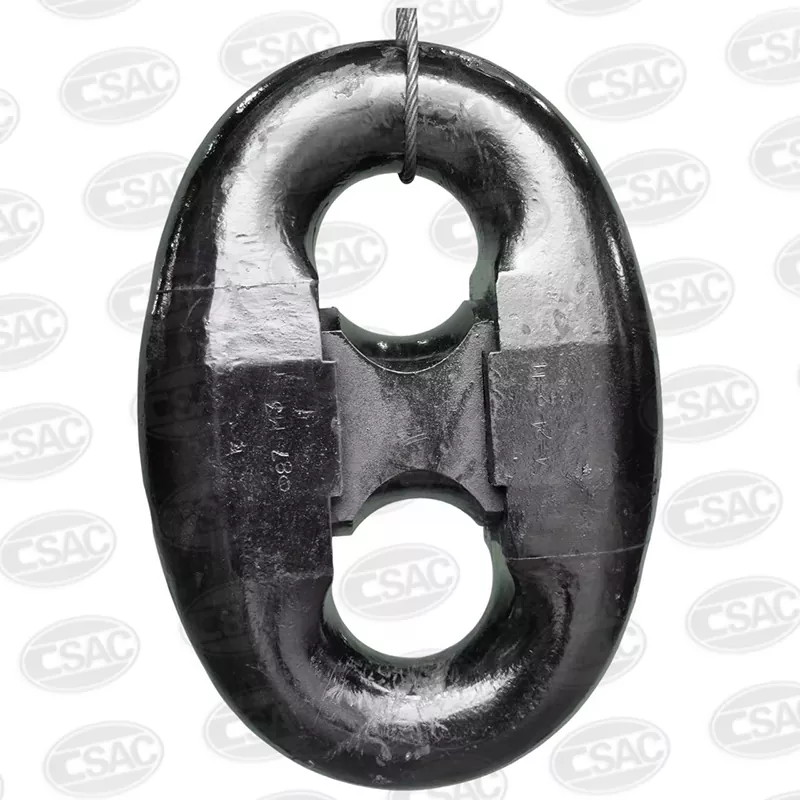
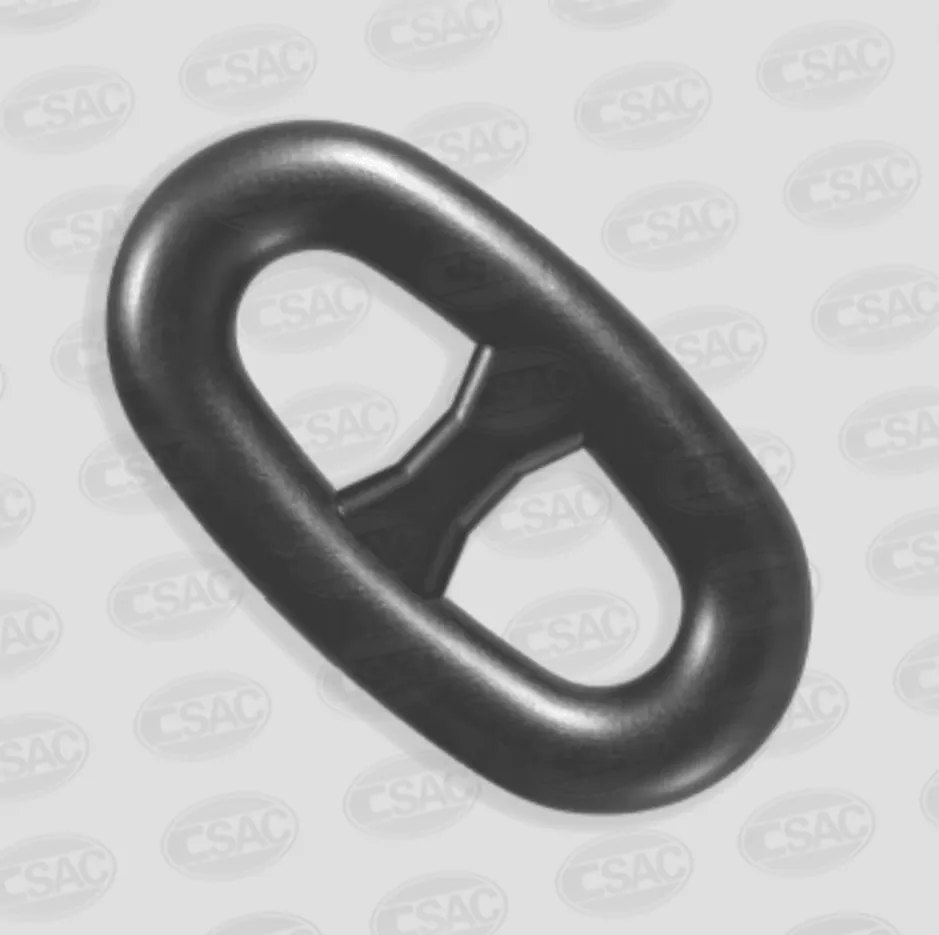
Kenter joining shackle Heat-treated steel link Per chain grade Wedge and taper pin Black oxide or HDG IACS UR W18, class rules Joining chain lengths and anchors Verify fit to chain grade and pitch

What design details actually extend service life at sea?

  • Generous bow and crown radii that reduce notch effects where the chain bears.
  • Shot-peened surfaces to improve fatigue resistance in the pin and eye.
  • Bolt-type pins with nut and cotter for critical connections; I prefer positive locking whenever crew rotation is frequent.
  • Coatings that balance corrosion protection and inspectability. On my routes, HDG plus painted witness marks hits that balance.

How do I keep pins from seizing or walking loose?

  • Use a nickel anti-seize on threads and under the nut seat, then torque to spec and add a cotter.
  • Paint a thin witness line across body and pin. Any movement becomes obvious during checks.
  • Log torque and inspection intervals alongside the rest of your rigging schedule.

Where do Anchor Chain Shackles fit into class and compliance?

I verify that material certificates trace to heat numbers and that proof loads meet class requirements for the specific chain grade on the vessel. Markings should be legible after coating: size, WLL, grade, manufacturer ID, and batch code. If a mark is lost, I remove the unit from critical service.

When do I replace instead of reuse?

  • Any pin straightness deviation or thread galling that prevents full torque.
  • Bow or D-side wear beyond 10% of original diameter.
  • Unknown history with missing markings. I don’t gamble with unseen fatigue.

What does the real cost picture look like when I choose Anchor Chain Shackles?

Total cost rides on inspection time and unplanned stops, not just unit price. A higher-grade body with a bolt-type pin often pays for itself the first time a squall tries to shake everything loose and your gear holds steady.

Which questions do I ask a supplier so I avoid blind spots?

  • Can you share mill certs and proof-load data per serial, not just per lot?
  • What coating thickness and process do you use, and how does it affect thread fit?
  • What is the exact safety factor between WLL and MBL on these Anchor Chain Shackles?
  • Do pins and bodies receive the same heat treatment and traceability?

Can I mix gear from different makers safely?

I avoid mixing shackles, pins, and chain grades unless the manufacturer confirms compatibility in writing. Even small geometry differences can change how load seats and how wear accumulates.

Which scenarios point me toward Zhoushan Zhongnan solutions for Anchor Chain Shackles?

  • Coastal tow sets that see frequent angle changes where bow shackles with positive-locking pins keep torque and cut inspection time.
  • Anchor handling where Kenter joining shackles must match chain grade and pitch exactly, backed by serial-level documentation.
  • Harsh-spray moorings where consistent galvanizing and clean markings make quick checks possible between shifts.

What is my bottom line if I want dependable Anchor Chain Shackles without drama?

I keep records tight and inspections simple, and I lean on proven makers so my crew can focus on the job, not the hardware. If you’re ready to spec or upgrade your Anchor Chain Shackles for real-world conditions, contact us and tell me your chain grade, lead angles, and environment. I’ll help you match a shackle set that works as hard as your vessel. Contact us today and leave your inquiry so we can get you a fast, detailed recommendation that fits your schedule.

Related News
Leave me a message
X
We use cookies to offer you a better browsing experience, analyze site traffic and personalize content. By using this site, you agree to our use of cookies. Privacy Policy
Reject Accept