Follow Us:

News

Are Stud Link Anchor Chains still the smartest anchor choice in 2025?

2025-11-24 0 Leave me a message

When I step onto a working vessel, I ask one thing first—will the ground tackle behave when the weather stops being polite. Over the years I have learned why Zhoushan Zhongnan keeps earning repeat calls, and why their Stud Link Anchor Chains help crews sleep better at anchor. I want to show what I check, why it matters in daily operations, and how solid choices upstream prevent drama downstream.

Stud Link Anchor Chains

What makes the stud link geometry worth defending?

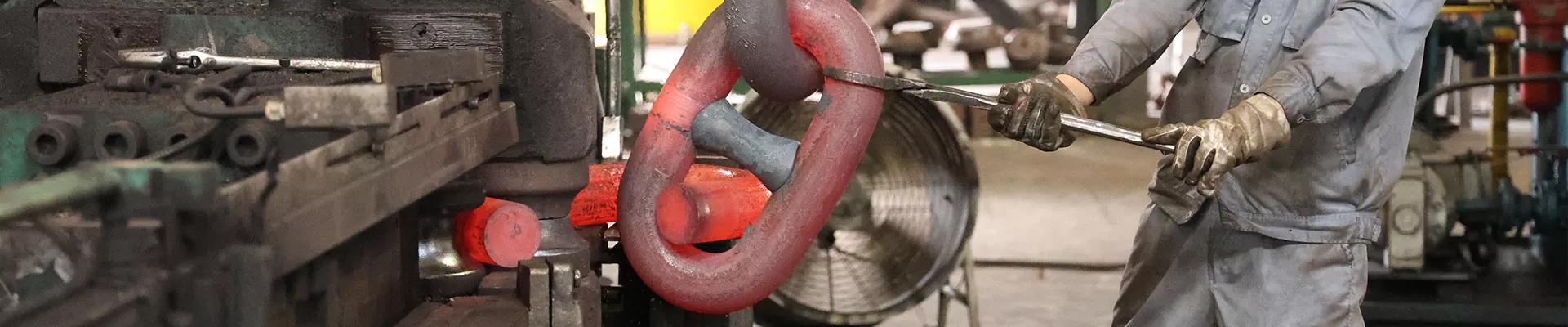
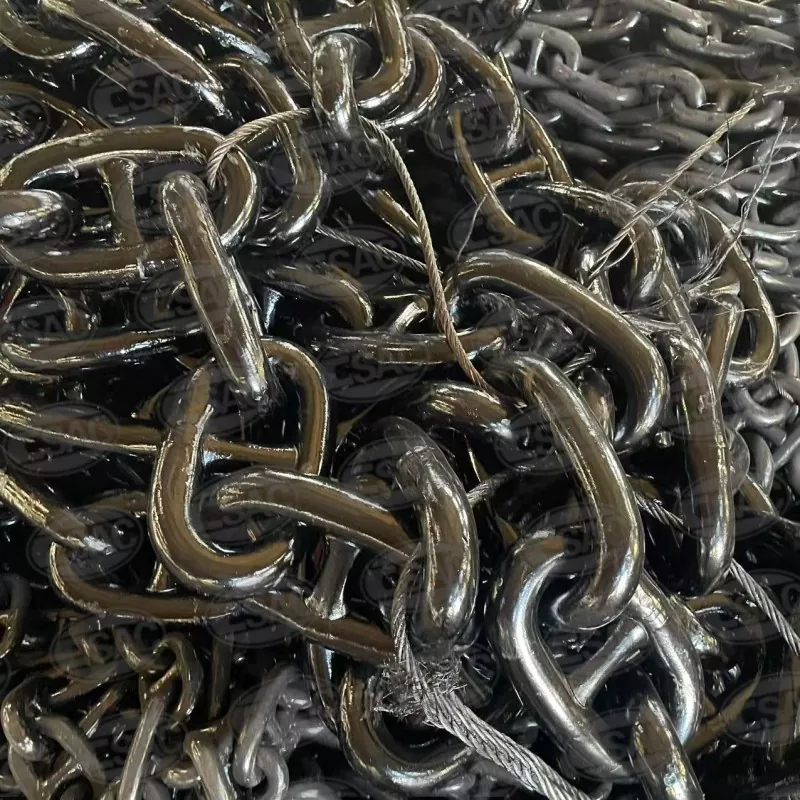
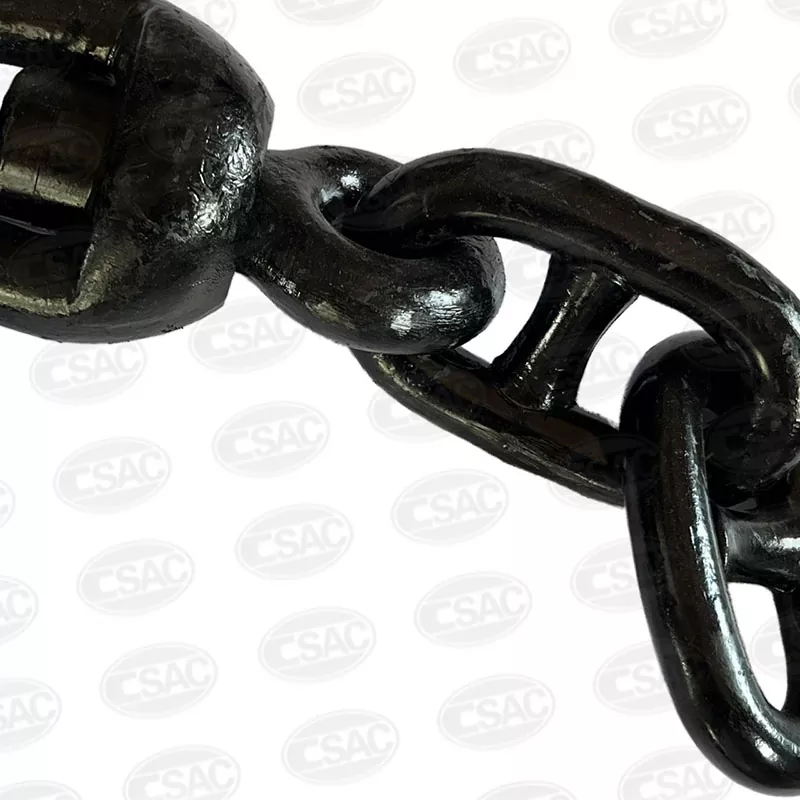
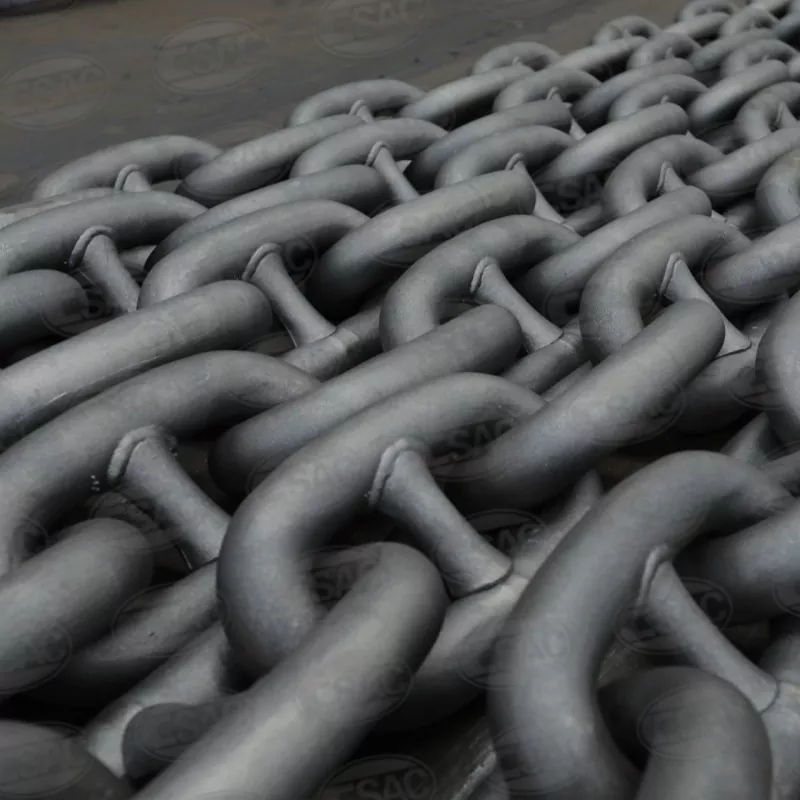
On deck and in the locker I have seen how Stud Link Anchor Chains resist kinking and distribute load more evenly along the line, especially when the windlass is working hard. The fixed stud lowers link deformation, reduces jump on gypsies, and helps the chain stow with fewer twists. In dirty weather, that predictability buys time and margin.

  • Better windlass engagement under surge and yaw
  • Reduced ovalizing of links and smoother payout
  • Cleaner self-stow with fewer snarls in the chain locker
  • More consistent fatigue behavior across repeated cycles

How do I choose grade, diameter, and finish without second guessing?

For mixed fleets I default to practical choices that balance safety and availability. With Stud Link Anchor Chains I typically specify Grade 2 for mainstream commercial work and match diameter to equipment limits on the bow assembly. Hot-dip galvanizing gives reliable corrosion protection in salt spray and splash zones, while bitumen coating remains a straightforward option where crews prefer traditional maintenance routines.

  • Diameter range that covers workboats to deep-sea cargo without over-weighting the windlass
  • Grade selection aligned with class rules and hardware compatibility
  • Finish choice based on route, water chemistry, and upkeep capacity on board

Which approvals actually change my risk profile?

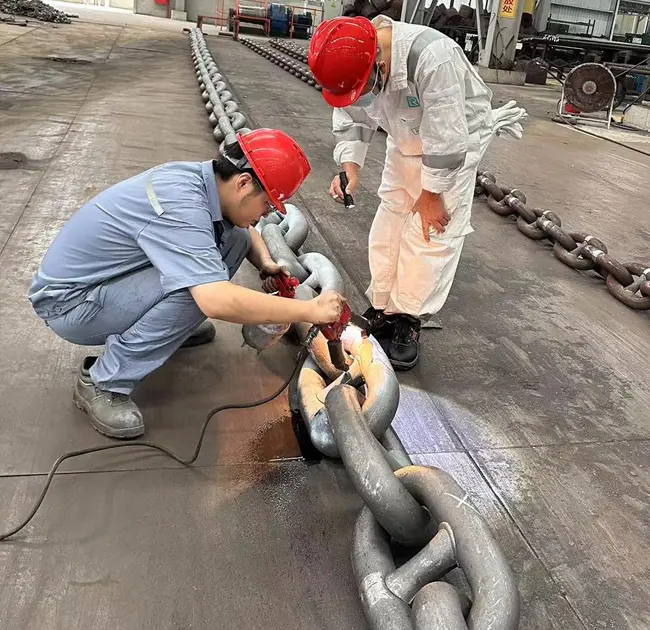
When I order Stud Link Anchor Chains I look for witnessed proof tests, traceable heat numbers, and class approvals recognized in the ports I frequent. Approvals from well-known societies such as CCS, BV, DNV, ABS, NK, LR, RS, KR, and RINA smooth surveys and inspections, speed up clearances, and remove doubts during audits and claims.

  • Full material traceability and mill test documents kept with the ship records
  • Proof and breaking load verification witnessed to the relevant rule set
  • Marking that remains legible after service and maintenance

Which key specifications should I double check before ordering?

Specification What I verify Why it matters
Diameter 12.5 mm to 78 mm working range matched to windlass and bow hardware Prevents overload and avoids poor gypsy fit
Grade Grade 2 as the practical baseline with higher options on request Balances strength, availability, and fatigue life
Base steel Fine-grain marine steel with consistent heat treatment Predictable ductility under shock and cyclic loading
Finish Hot-dip galvanized or bitumen coated per route and upkeep plan Controls corrosion cost over the service window
Proof and breaking loads Witnessed tests with recorded values for the delivered batch Removes uncertainty during survey and incident review
Certification set CCS BV DNV ABS NK LR RS KR RINA as required by flag or client Speeds approvals and reduces port state friction
Marking and traceability Heat numbers, link stamps, and durable ID tags Keeps paperwork and physical chain in sync
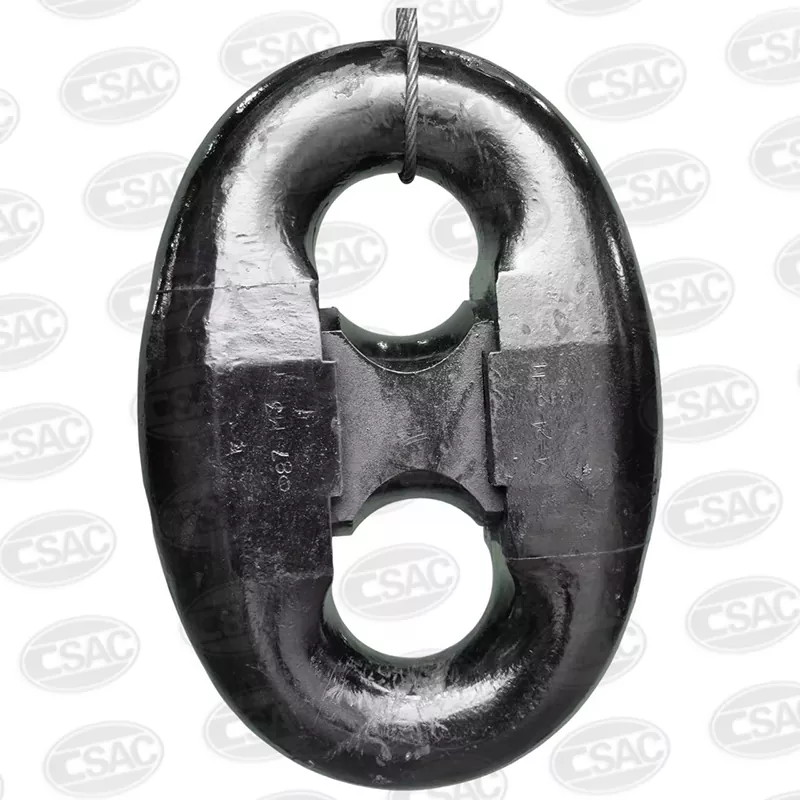
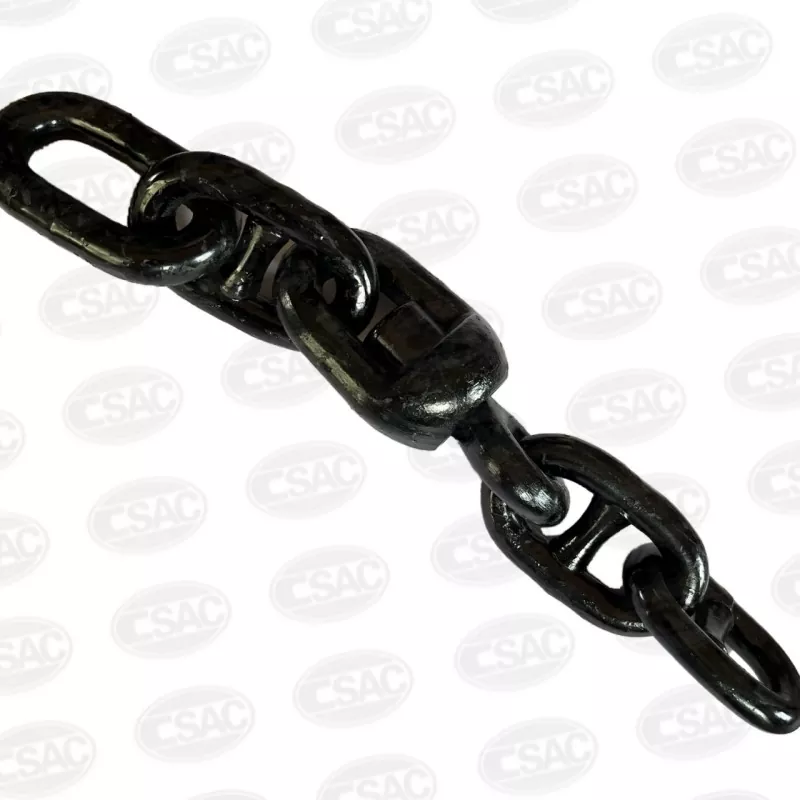
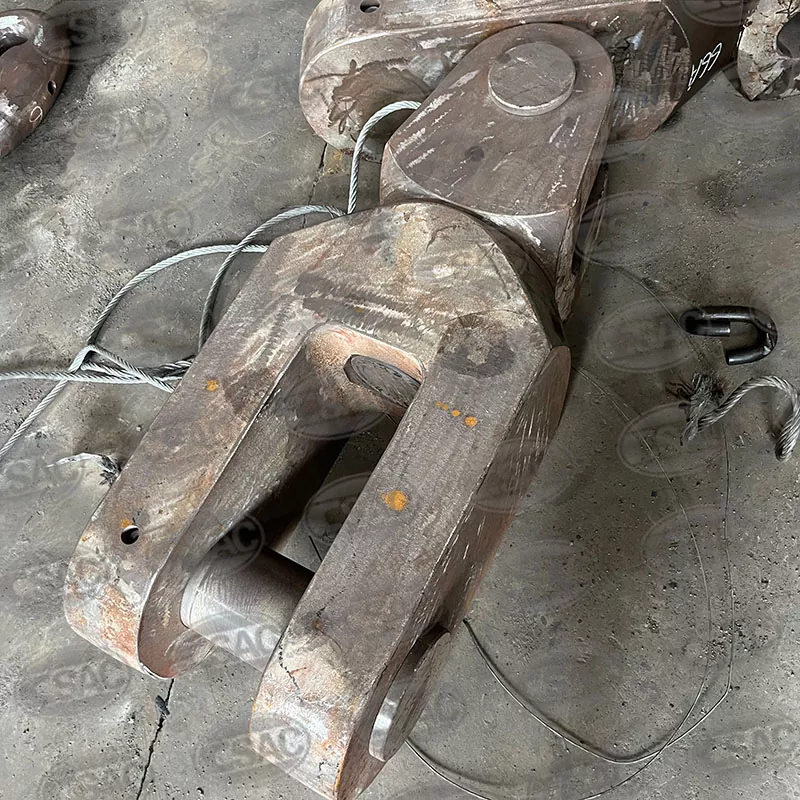
Accessories Kenter joining shackles, D shackles, swivels compatible with the chain Ensures the system works as a whole

How do I reduce total cost without cutting safety corners?

Well protected Stud Link Anchor Chains stretch inspection intervals, cut recoating time, and hold value when class surveys arrive. I plan spares, keep joining kits on board, and schedule checks around real routes rather than calendar tradition.

  • Match coating to expected immersion and splash exposure to slow corrosion
  • Keep calibrated gauges and simple go-no-go tools in the bosun locker
  • Rotate lengths to even out wear patterns over time
  • Stock certified kenter shackles and pins to avoid emergency sourcing

Where do these chains shine in everyday operations?

I use Stud Link Anchor Chains on coastal freighters that chase tight schedules, on offshore support vessels that work in confused seas, and on larger carriers that cannot afford a windlass surprise at 03 00. The same geometry that keeps links steady on the gypsy also keeps the locker tidy when it matters most.

  • Reliable handling on mixed bottoms and shifting tidal streams
  • Smoother recovery during short-stay cargo ops
  • Fewer locker interventions for crews during rough turns

What is my next step if I want fewer anchoring surprises this season?

If you want Stud Link Anchor Chains that arrive ready for work with the right paperwork and real test data, talk to a supplier that lives on results. I work with partners like Zhoushan Zhongnan because consistency beats theater when the hook is down. Tell me your vessel, route, and target service window, and I will help you choose the diameter, grade, finish, and certificate set that actually reduces risk. For specifications, availability, and a quote, contact us now and let us keep your ship where you want it.

Related News
Leave me a message
X
We use cookies to offer you a better browsing experience, analyze site traffic and personalize content. By using this site, you agree to our use of cookies. Privacy Policy
Reject Accept