Follow Us:

News

What Makes Mooring Chains the Backbone of Modern Offshore Operations?

2025-10-16 0 Leave me a message

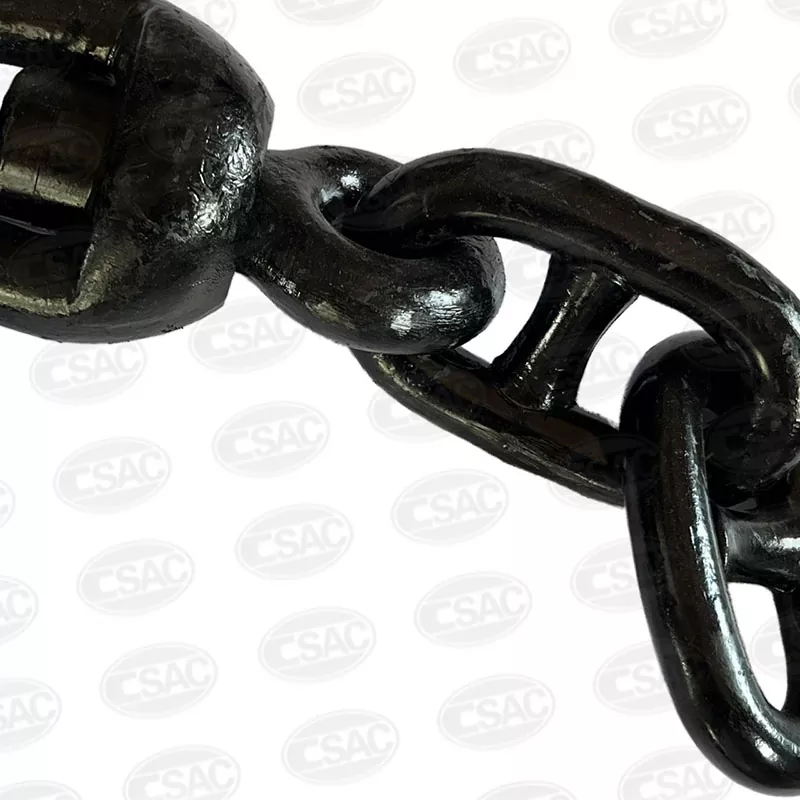
Mooring chains serve as the critical connection between floating vessels, offshore platforms, and the seabed. Designed to provide stability, safety, and durability in the harshest marine environments, mooring chains are fundamental components in offshore oil and gas operations, floating wind farms, ports, and shipping terminals. Their main function is to secure structures against the forces of wind, waves, and currents, ensuring positional stability and operational safety.

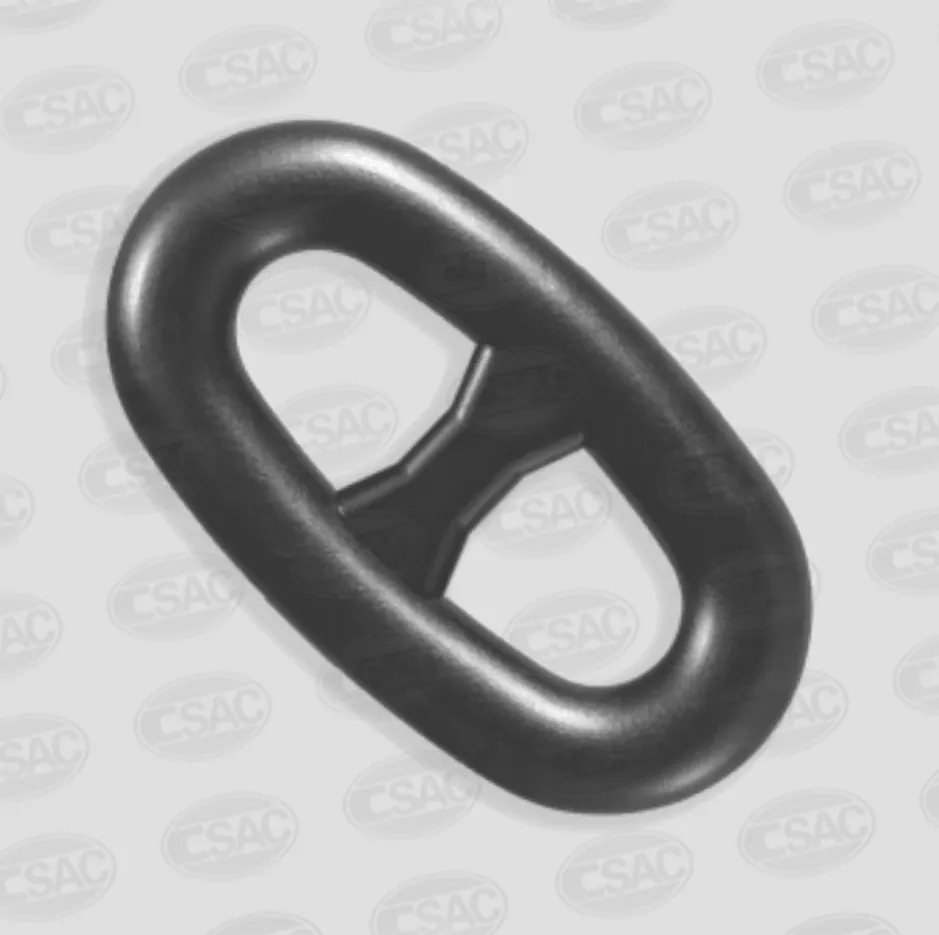
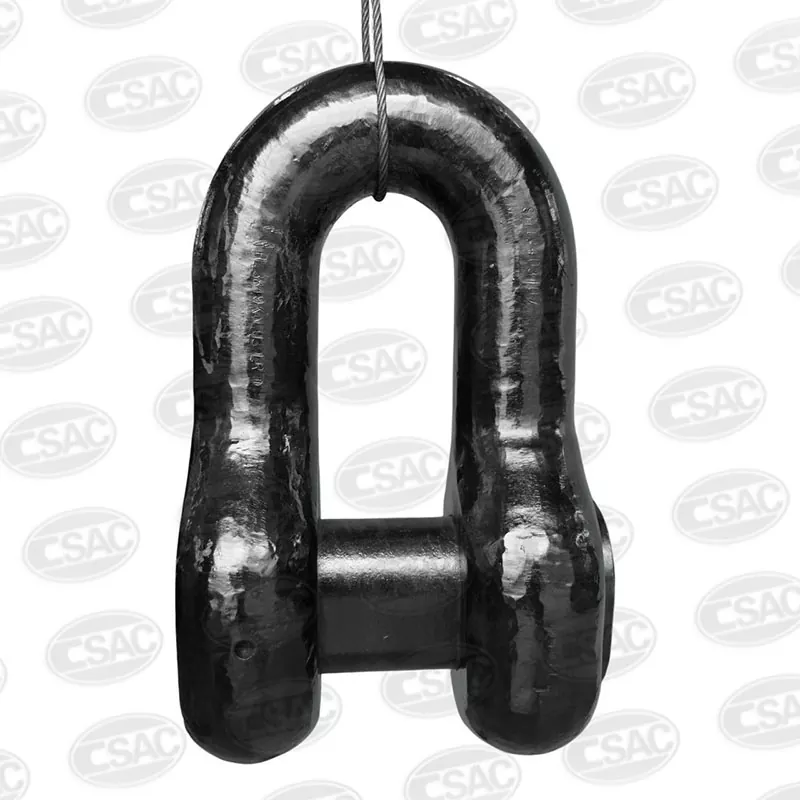
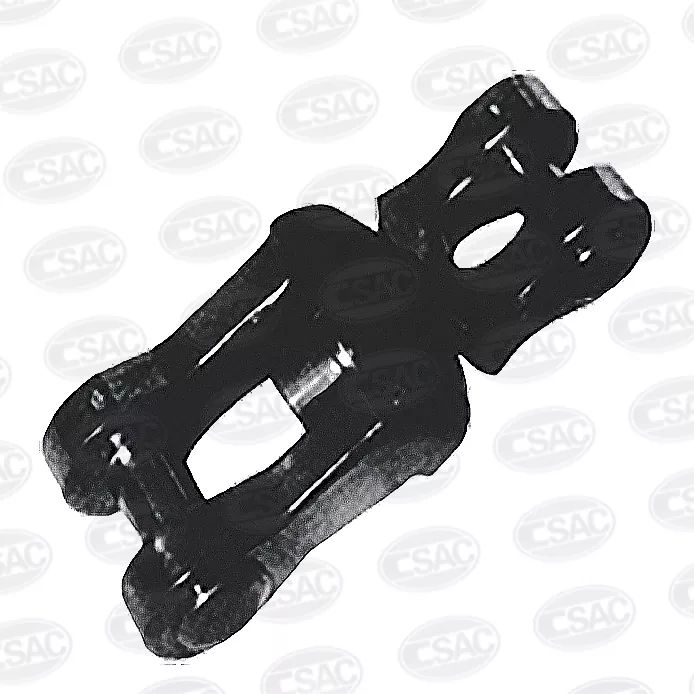
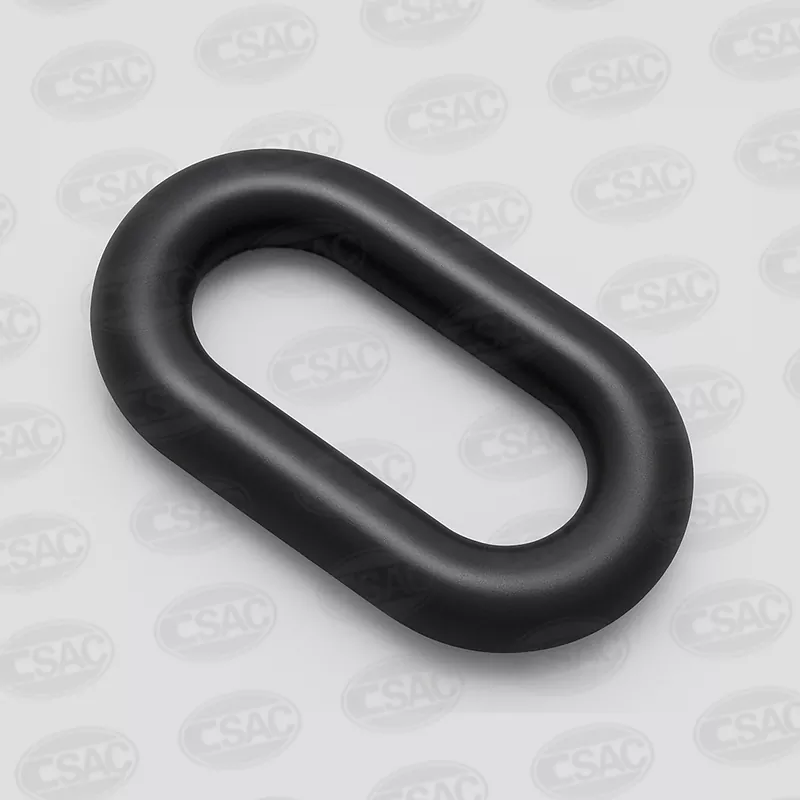
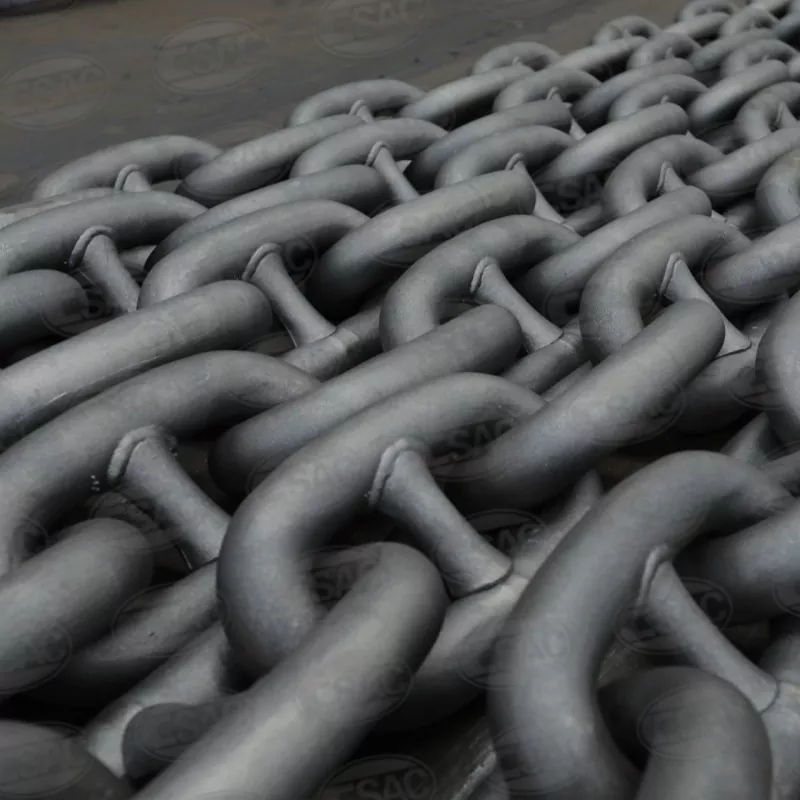
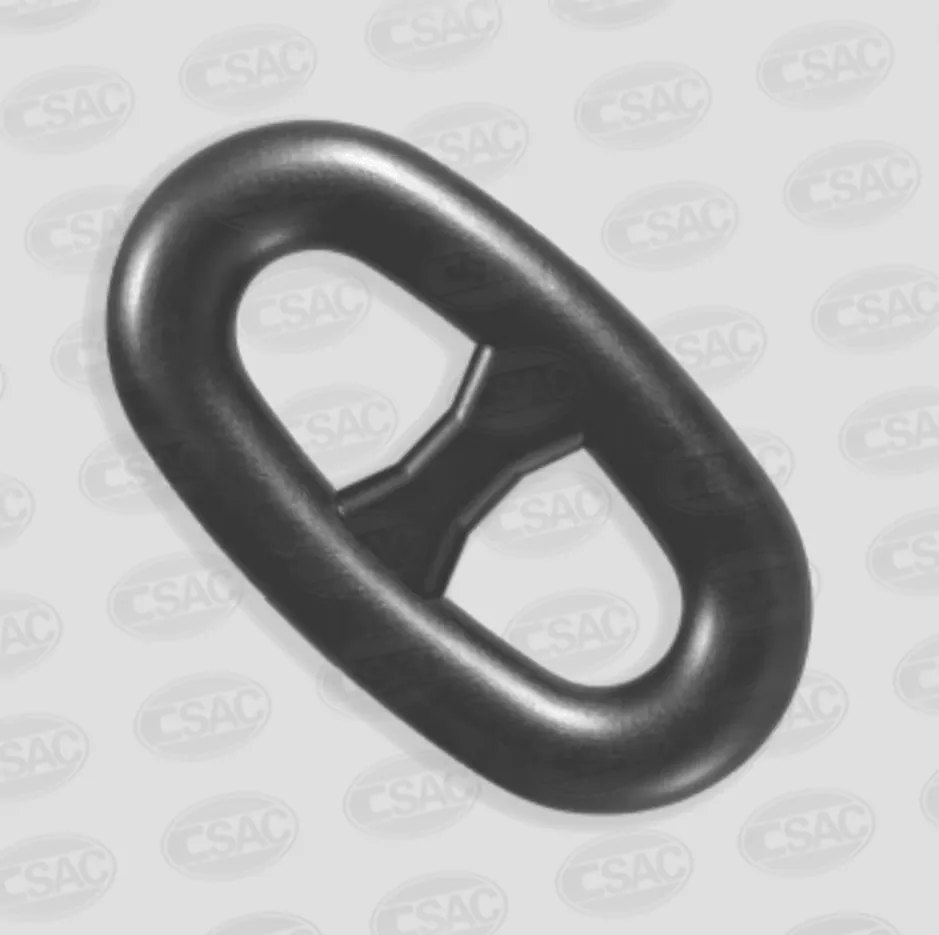
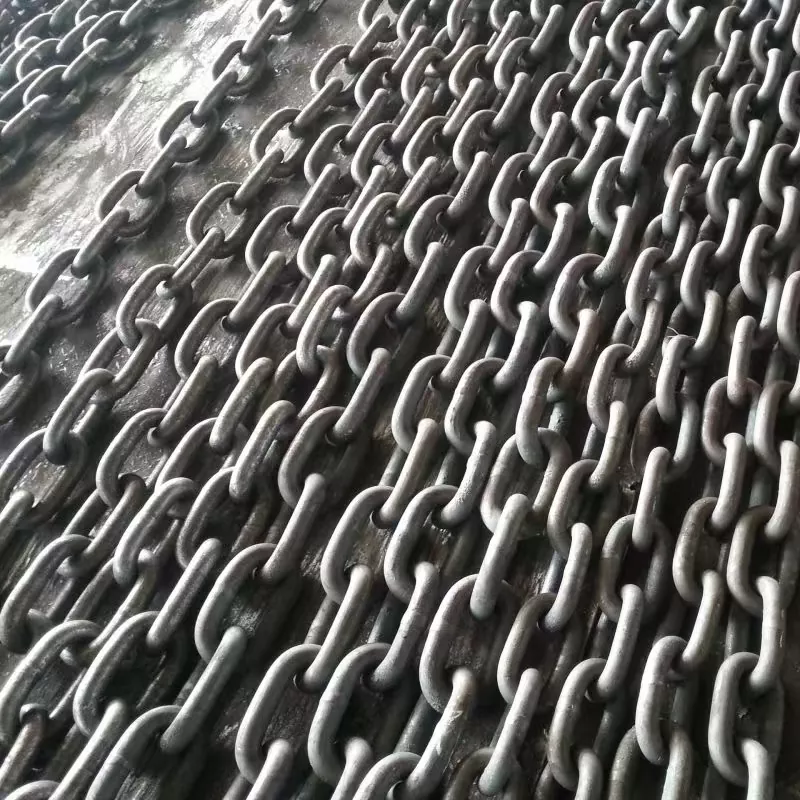
Grade R3-R3S Stud Link Offshore Mooring Chain

As the offshore industry evolves—driven by renewable energy expansion and deepwater exploration—the demand for advanced mooring solutions continues to grow. This trend underscores why understanding the engineering, performance, and selection of mooring chains is essential for modern marine operations.

Mooring chains are categorized primarily by their grade, size, and material strength. Each specification plays a vital role in determining the load capacity and corrosion resistance under different marine conditions. High-performance steel and surface treatments such as galvanizing or shot-peening are now widely adopted to enhance longevity and performance in deep-sea applications.

Why the Quality and Engineering of Mooring Chains Define Offshore Safety

The performance of a mooring system largely depends on the quality of the chain links and their ability to resist fatigue, wear, and corrosion. A mooring chain is not merely a steel link—it is a lifeline ensuring the stability of multimillion-dollar offshore assets.

Key Technical Parameters of Mooring Chains

Specification Description
Chain Diameter Range 16mm – 185mm
Material Grade Grade 2, Grade 3, R3, R3S, R4, R4S
Breaking Load 500 kN – 20,000 kN (depending on diameter & grade)
Surface Treatment Hot-Dip Galvanized, Black Painted, Shot Blasted
Application Depth Shallow Water to Ultra-Deepwater (up to 3000m)
Standard Compliance ISO 1704, API RP 2SK, OCIMF Guidelines
Testing & Certification Third-party inspection (ABS, LR, DNV, BV, CCS)

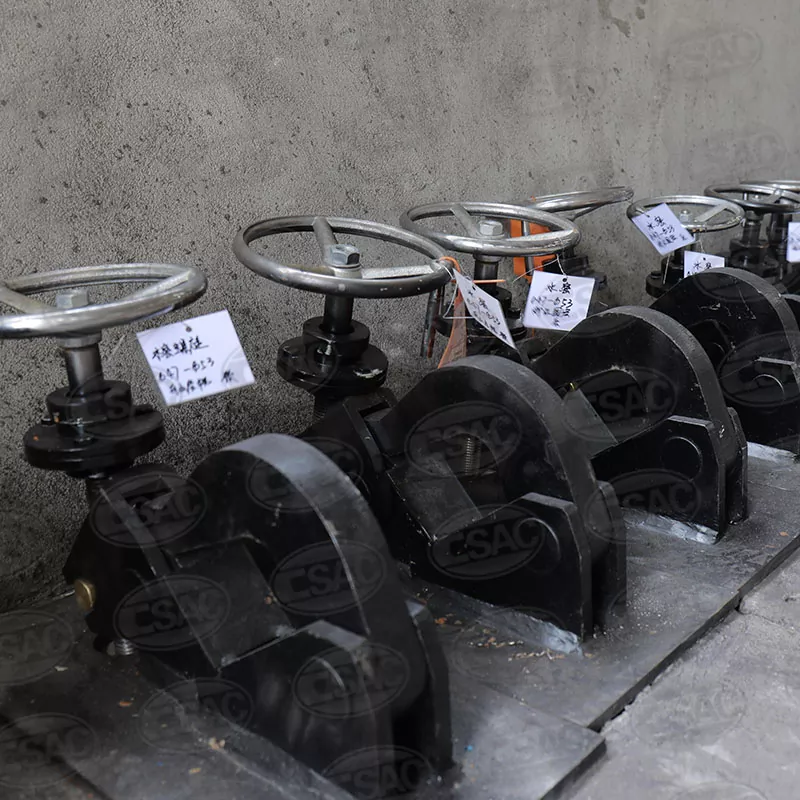
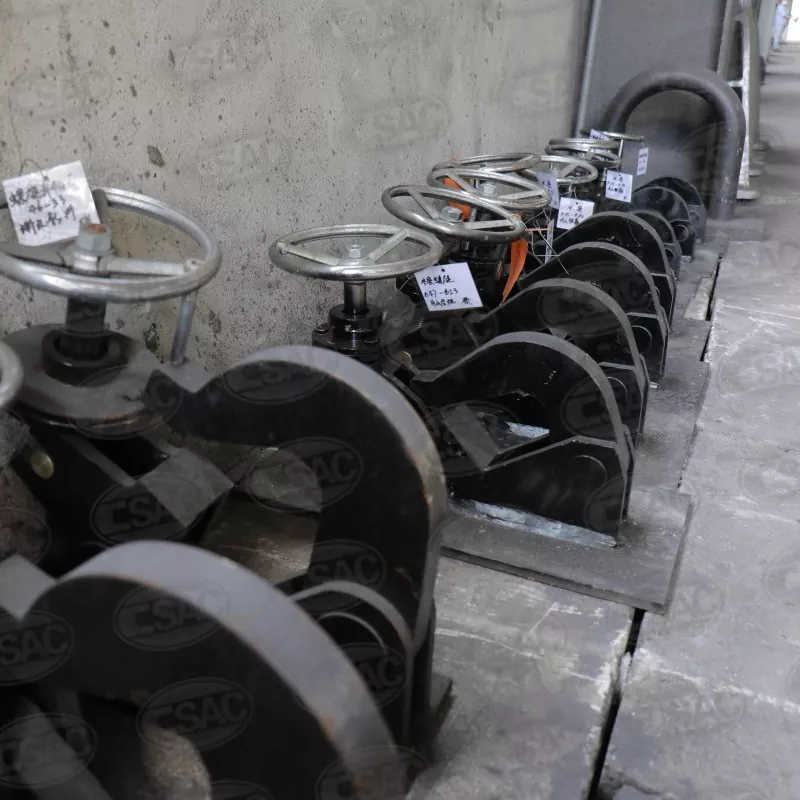
High-grade mooring chains, such as R3S or R4S, are preferred for deep-sea mooring where strength-to-weight ratio and fatigue life are critical. These chains undergo rigorous proof and break-load testing, magnetic particle inspection (MPI), and ultrasonic examination to ensure structural integrity.

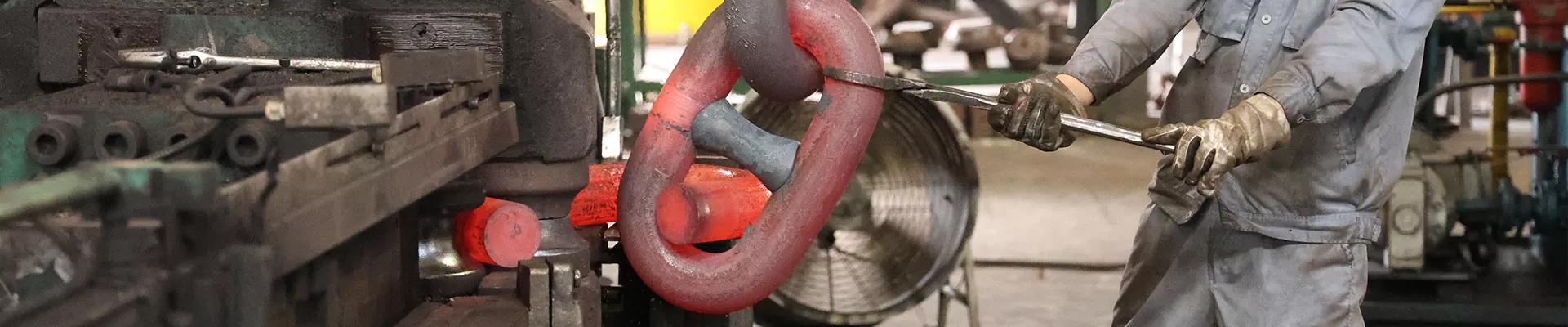
Moreover, modern production techniques—such as flash butt welding, precision heat treatment, and automated calibration—ensure that each link maintains consistent dimensional accuracy and mechanical properties. These engineering advancements make today’s mooring chains safer, stronger, and longer-lasting than ever before.

How Mooring Chains Are Revolutionizing Offshore Applications

The modern marine industry faces increasing demands for efficiency, sustainability, and cost-effectiveness. Mooring chain technology has evolved in response, offering better performance with lower maintenance requirements.

a. Deepwater Mooring Systems
The move toward offshore wind farms and deepwater oil extraction has led to the development of chains capable of withstanding immense hydrostatic pressure and cyclical loading. These heavy-duty chains ensure platforms remain fixed in position, even in extreme environmental conditions.

b. Corrosion Resistance & Coating Innovations
Marine corrosion remains one of the greatest challenges for offshore components. Advanced anti-corrosion coatings, including zinc-aluminum alloy layers and cathodic protection systems, extend the lifespan of mooring chains by up to 40%. Combined with specialized steel compositions, these coatings ensure minimal maintenance even under continuous seawater exposure.

c. Smart Monitoring Integration
Digitalization has transformed mooring chain management. Modern systems now incorporate load monitoring sensors, fatigue detection, and predictive maintenance algorithms. These innovations reduce inspection costs and enhance safety by detecting early signs of wear or overstress before failure occurs.

d. Sustainability and Recycling Trends
The industry’s transition to greener practices is also visible in mooring chain production. Many manufacturers are adopting recyclable alloy steel, low-emission furnaces, and energy-efficient heat treatment processes, aligning with global sustainability standards such as ISO 14001.

Applications Across Industries:

  • Offshore Oil & Gas Platforms

  • Floating Production Storage and Offloading Units (FPSOs)

  • Offshore Wind Turbines

  • Mooring Buoys & Port Anchorage Systems

  • Defense and Marine Infrastructure Projects

Each of these applications demands unique configurations of length, strength, and corrosion resistance. Selecting the right mooring chain involves careful engineering assessment and adherence to international safety regulations.

What the Future Holds for Mooring Chains in Offshore Engineering

As offshore operations expand into deeper and more challenging waters, the mooring chain industry is undergoing a profound transformation. Several emerging trends are reshaping its development:

1. Hybrid Mooring Systems
The combination of chain, wire rope, and synthetic fiber ropes is becoming more common in deepwater mooring. This hybrid system reduces overall weight while maintaining tensile strength and flexibility, optimizing dynamic response to ocean currents.

2. Enhanced Fatigue Life Materials
Research continues into steel alloys with higher fatigue resistance and improved microstructure control. Nanostructured steels and titanium-alloy coatings promise to extend operational lifespans beyond 25 years, significantly reducing life-cycle costs.

3. Digital Lifecycle Management
IoT-based chain monitoring allows continuous tracking of stress, elongation, and corrosion. Data-driven insights empower operators to predict maintenance schedules, minimizing downtime and improving safety compliance.

4. Decarbonization of Production
Environmental regulations are pushing manufacturers toward low-carbon steel production methods and renewable-powered facilities. The result is a more sustainable chain manufacturing process aligned with global climate goals.

5. Global Standardization and Certification
As offshore operations become increasingly international, unified standards such as API RP 2SK and OCIMF guidelines are enhancing global interoperability, ensuring consistent performance across regional waters.

These advancements demonstrate that mooring chains are not merely static components but evolving technologies supporting the world’s growing demand for renewable and offshore energy.

Frequently Asked Questions About Mooring Chains

Q1: What factors should be considered when selecting a mooring chain?
A1: Selection depends on the environment (depth, temperature, salinity), vessel size, mooring configuration, and operational lifespan. Engineers must balance between chain diameter, grade, and coating to achieve the optimal combination of strength, fatigue resistance, and corrosion protection. Compliance with standards such as ISO 1704 and API RP 2SK is essential for offshore certification.

Q2: How often should mooring chains be inspected or replaced?
A2: Regular inspections are recommended every 6 to 12 months depending on operating conditions. Visual examination, magnetic particle inspection (MPI), and ultrasonic testing (UT) detect cracks or elongation. Replacement intervals typically range from 5 to 15 years, depending on chain grade, load history, and corrosion exposure. Predictive monitoring technology can extend this timeframe by identifying issues before failure occurs.

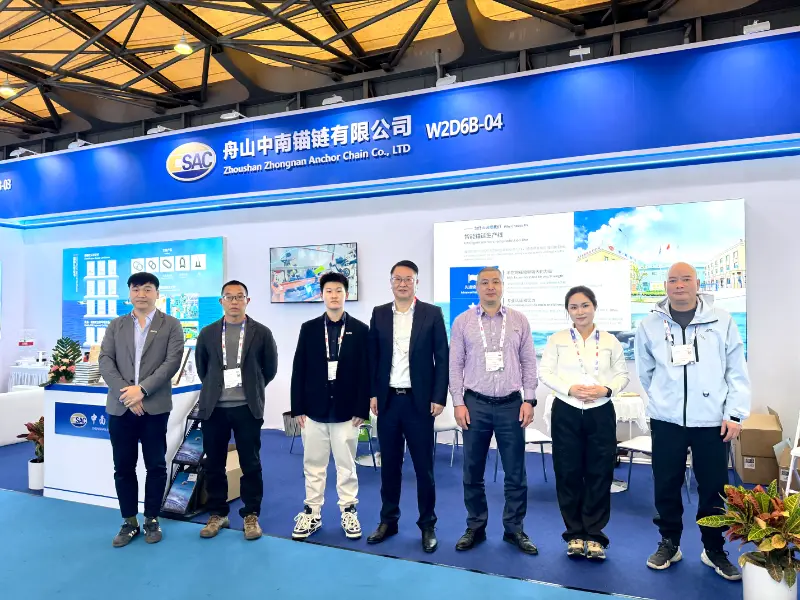
The Reliability Behind Every Link: Zhoushan Zhongnan Anchor Chain Co., Ltd

For decades, Zhoushan Zhongnan Anchor Chain Co., Ltd has been at the forefront of mooring chain manufacturing, offering a complete range of anchor chains and accessories that meet global standards. With advanced production lines, precision testing equipment, and strict quality assurance systems, the company ensures every chain link delivers consistent performance in even the most demanding offshore conditions.

Zhoushan Zhongnan’s products are widely used in offshore oil fields, wind power projects, and maritime transport sectors across Asia, Europe, and the Americas. Their technical expertise, combined with innovation in material science and surface treatment, makes them a trusted partner for marine engineering projects worldwide.

Whether the requirement is for standard Grade 2 or high-performance R4S mooring chains, Zhoushan Zhongnan Anchor Chain Co., Ltd provides customized solutions designed for maximum durability, safety, and cost-effectiveness.

For further consultation, detailed product specifications, or project collaboration — contact us to discover how our mooring chains can enhance your offshore stability and operational reliability.

Related News
Leave me a message
X
We use cookies to offer you a better browsing experience, analyze site traffic and personalize content. By using this site, you agree to our use of cookies. Privacy Policy
Reject Accept