Follow Us:

News

Why Stud Link Offshore Mooring Chain Is Still the Go-To Choice for High-Load Stationkeeping?

2025-12-22 0 Leave me a message

Article Abstract

If your offshore project lives or dies by stationkeeping—FPSOs, semi-submersibles, drilling units, floating wind, or buoy moorings—your biggest “silent risk” is rarely the chain you can see. It’s the chain performance you can’t see yet: corrosion-fatigue in splash zones, hidden defects at welds, mismatch between chain grade and design loads, documentation gaps that block class approval, and replacement lead times that turn into costly downtime.

This guide breaks down what a Stud Link Offshore Mooring Chain is, where it typically outperforms alternatives, and how to specify, inspect, and procure it without getting trapped by vague datasheets. You’ll also get practical checklists, tables, and FAQs so you can move from “we need a chain” to “we have a compliant, traceable, maintainable mooring chain system.”

offshore mooring stationkeeping fatigue traceability class certification procurement

Table of Contents


Outline

  • Translate offshore risks (fatigue, corrosion, deformation, documentation delays) into clear purchasing requirements.
  • Explain how studs improve stability and reduce link deformation in high-load mooring lines.
  • Provide a practical selection framework (environment, design loads, grade, diameter range, accessories).
  • Offer an RFQ-ready specification list plus a documentation pack that supports audits and class review.
  • Close with supplier questions and an action plan to move fast without cutting corners.

The buyer pain points this chain is supposed to solve

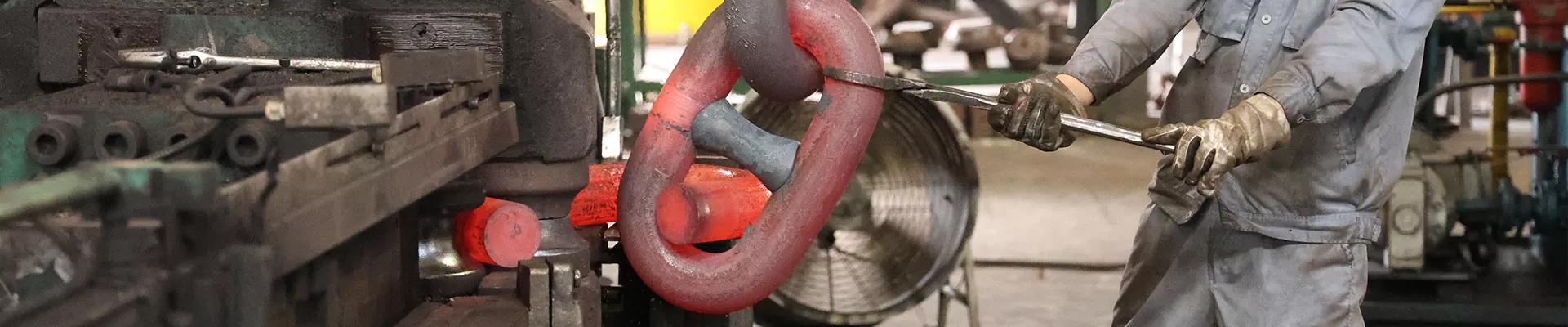
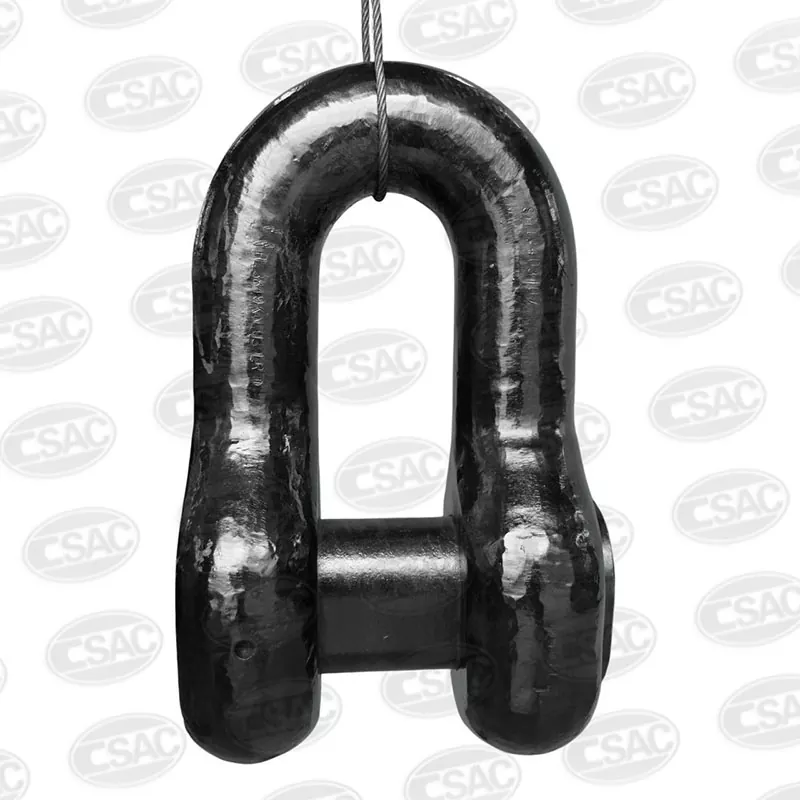
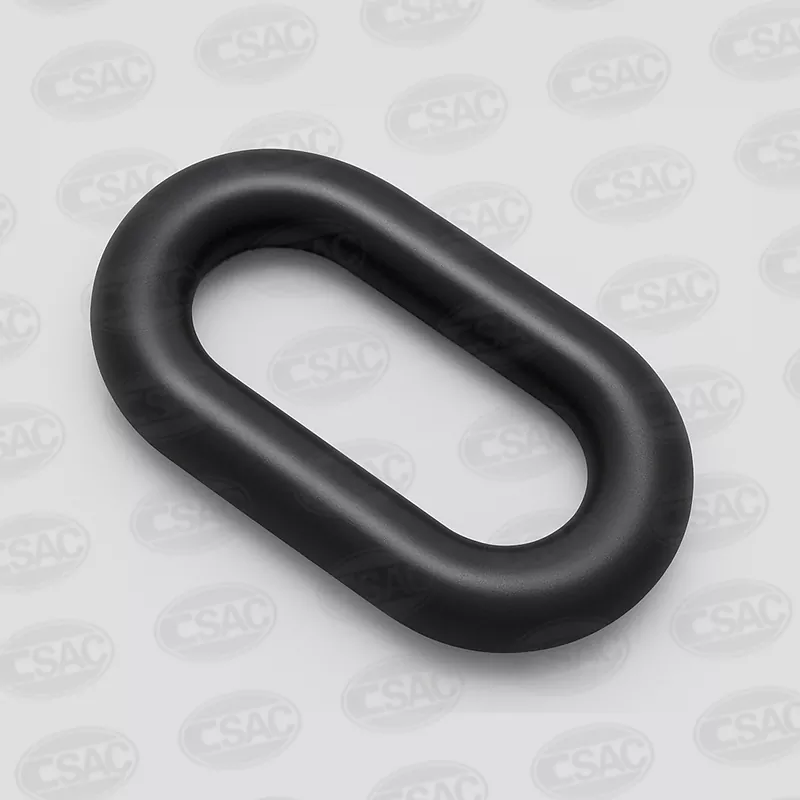
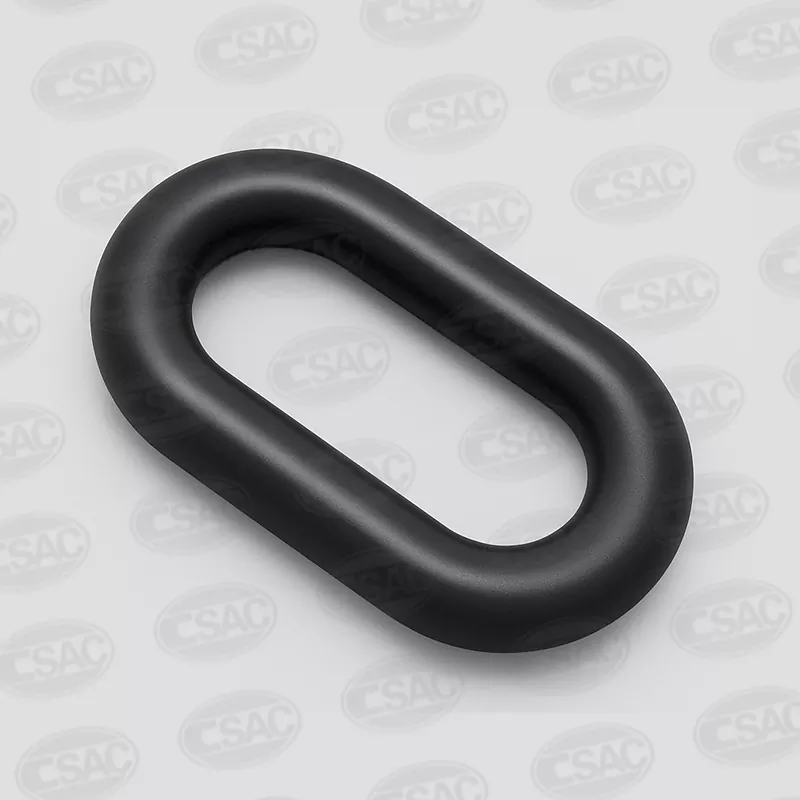
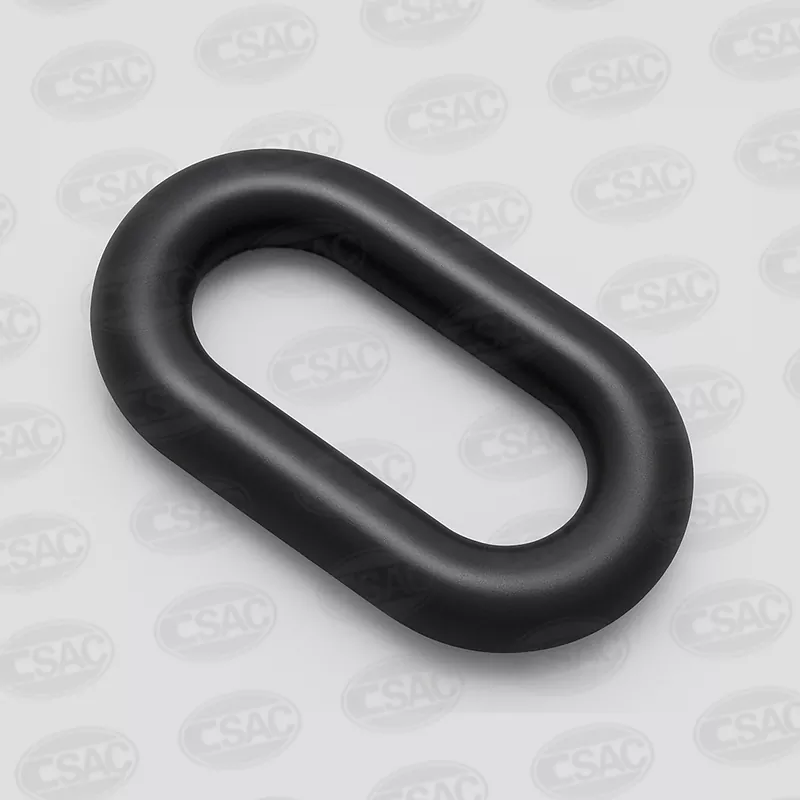
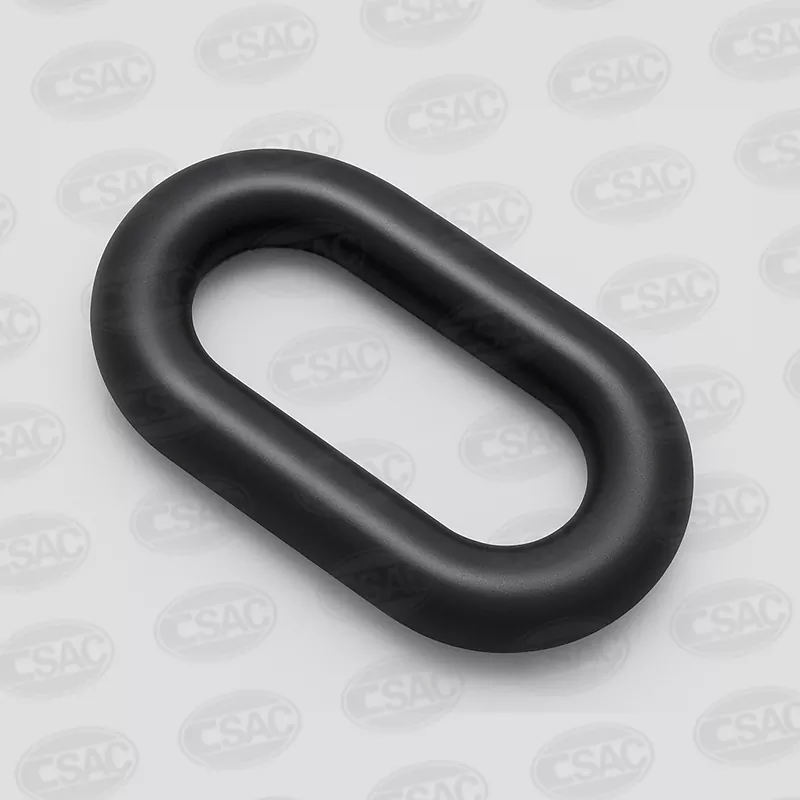
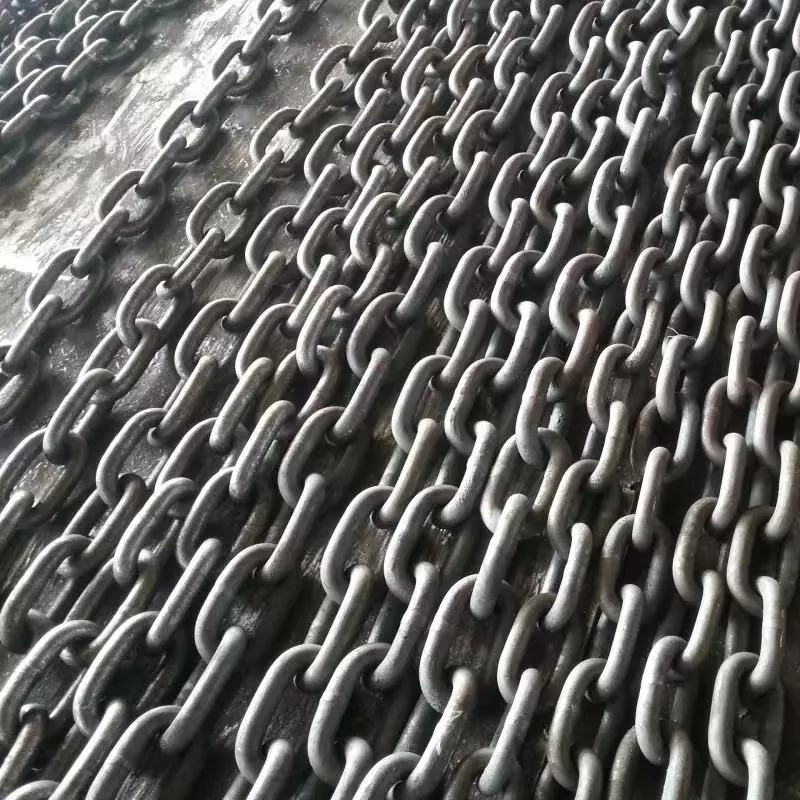
Stud Link Offshore Mooring Chain

Offshore buyers rarely struggle with the concept of “a mooring chain.” They struggle with the outcomes: schedule risk, safety risk, and lifecycle cost that keep creeping up after the PO is issued. Here are the most common pain points a stud-link solution is selected to reduce.

1) Deformation and kinking under sustained load

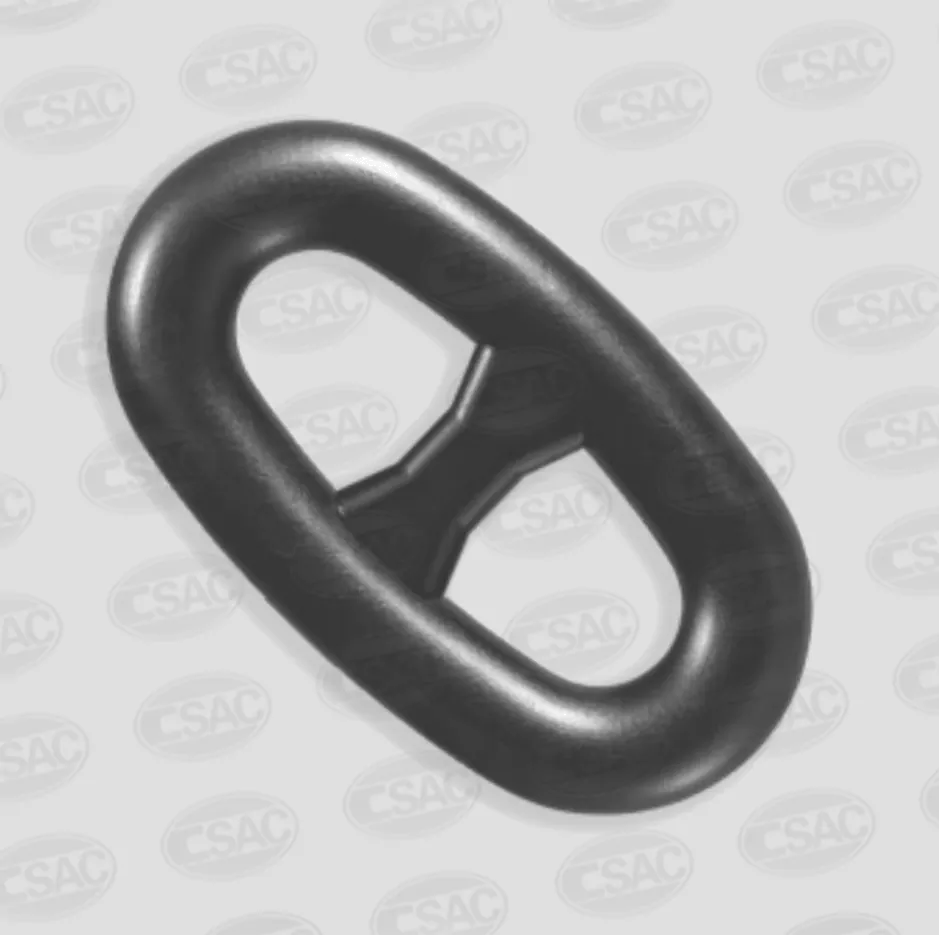
In high-tension mooring lines, link deformation can start a chain reaction (pun intended): twisted links don’t sit well in stoppers and fairleads, wear accelerates at contact points, inspection becomes harder, and line behavior becomes less predictable. Studs are used to stabilize link geometry so the chain is less prone to “going oval” and kinking when it sees repeated heavy loading.

2) Fatigue life that looks fine on paper until the environment shows up

Mooring systems experience cyclic loading from waves, wind, and current. Even if peak loads are within design limits, the repeated cycles can drive fatigue damage—especially in harsh zones like splash/touchdown areas where corrosion and mechanical wear team up. Buyers want confidence that the chain is engineered and tested for offshore cyclic service, not merely “strong.”

3) Documentation gaps that stall approvals

Offshore projects often require a chain to be certified/approved by classification societies or to meet recognized standards. Missing heat numbers, unclear test reports, or weak traceability can delay acceptance and commissioning. In practice, a “good chain” is the one whose paperwork survives a serious audit.

Practical takeaway: When you buy a mooring chain, you’re buying engineering evidence plus repeatable manufacturing—not just steel links.


What makes a stud-link mooring chain different

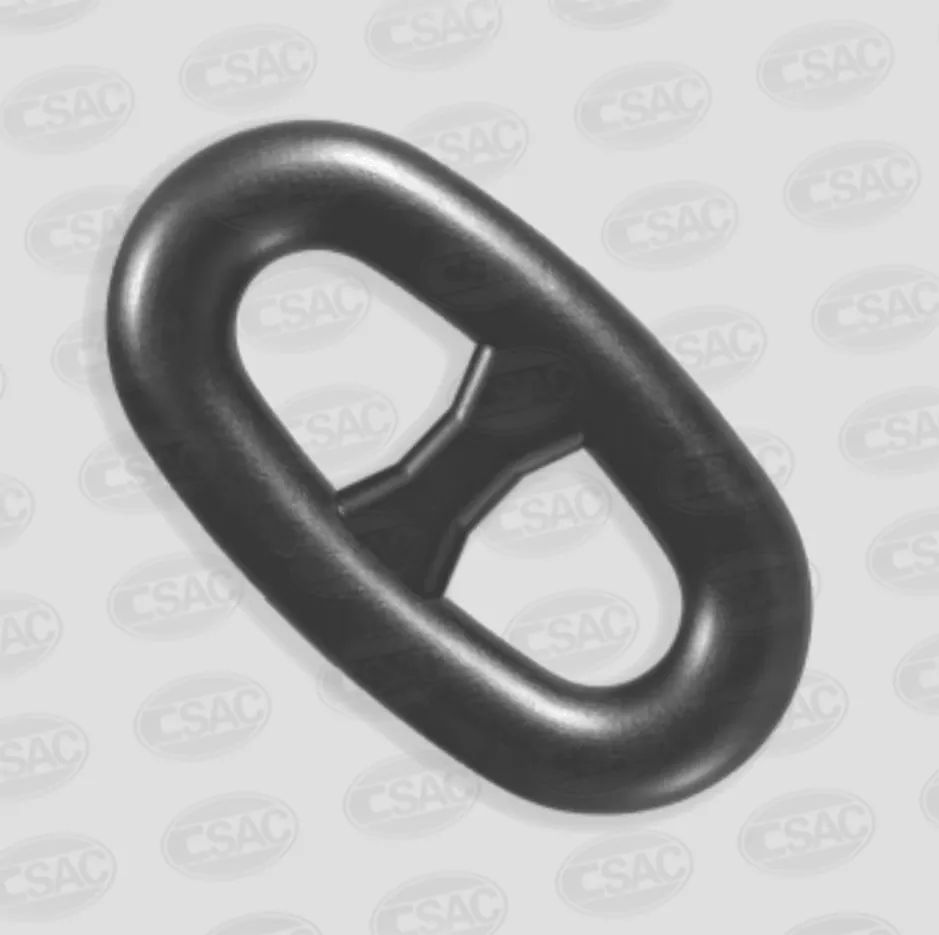
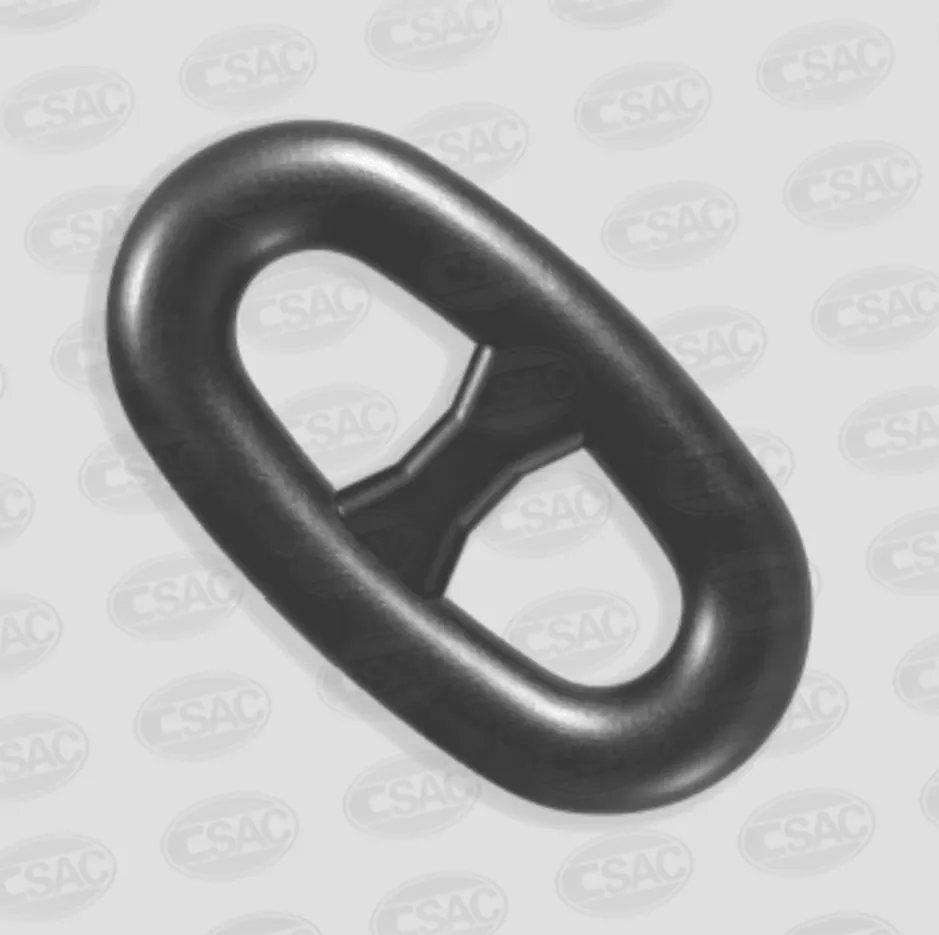
A stud-link chain includes a solid bar (the “stud”) across each link. That internal reinforcement changes how the link behaves under load: it helps the link maintain shape, reduces the tendency to twist, and can improve stability when the chain runs through equipment or rests at contact points.

Stud-link vs. studless at a glance

Decision point Stud link chain Studless chain Buyer takeaway
Resistance to deformation Higher (stud supports link shape) Lower (more prone to link distortion under certain loads) Stud link is often preferred for long-term, high-load stationkeeping.
Twist/kink tendency Reduced tendency in many applications Can be more flexible, but may twist depending on system Choose based on your line routing, fairlead/stoppers, and operating profile.
Handling & weight Heavier per length Lighter and more flexible Studless can be attractive where handling and weight are critical.
Typical use cases Offshore units, long-term moorings, high tension zones Some marine moorings, where flexibility/weight is prioritized Match chain type to your risk profile, not just cost.

How to select the right chain for your offshore system

Buyers often jump straight to “diameter and grade.” That’s necessary—but it’s not sufficient. A reliable selection process ties chain requirements back to the project’s real operating conditions.

Step 1: Map the environment to failure risks

  • Water depth & metocean loads: drive tension ranges and cycle counts.
  • Corrosion exposure: affects corrosion-fatigue and maintenance frequency.
  • Touchdown/splash zones: higher wear + corrosion = higher inspection priority.
  • Contact points: fairleads, chain stoppers, and seabed interaction increase wear risk.

Step 2: Align chain grade with design loads and lifecycle goals

Offshore mooring chains are commonly specified by grades (often referenced as “R” grades in the industry). Don’t treat grade as a vanity label—treat it as a design lever: higher grade can reduce diameter/weight for a given strength level, but it can also increase scrutiny on manufacturing control and testing.

Step 3: Confirm compatibility with accessories and equipment

A chain is only as practical as the system it runs through. Before locking the chain down, verify:

  1. Connector types (shackles, end links) match the chain size and class requirements.
  2. Chain stopper and fairlead profiles are compatible with link dimensions.
  3. Inspection access is feasible once installed (especially for critical zones).
  4. Spare strategy is realistic (how fast can you replace sections if needed?).

Specification checklist you can paste into an RFQ

Vague RFQs create vague outcomes. If you want apples-to-apples quotations and fewer surprises after award, use a checklist that forces clarity early.

RFQ essentials

  • Chain type: Stud Link Offshore Mooring Chain
  • Application: (FPSO / semi-sub / drilling unit / floating wind / buoy mooring / other)
  • Grade required: (e.g., R3 / R3S / R4 / R4S / project-specified)
  • Nominal diameter range: (state your required size, tolerance expectations, and total length)
  • Length format: continuous length or per-shot lengths, with marking requirements
  • Surface condition: project requirement (as-specified by your corrosion strategy)
  • Testing: mechanical tests, NDT expectations, and any project-specific requirements
  • Certification: required class society involvement and document format preferences
  • Traceability: heat number marking, batch IDs, and document linkage
  • Packaging & shipping: marking, protection, and delivery terms

If you’re buying for offshore stationkeeping, consider adding “documentation completeness” as a scored requirement. The cheapest quote can become the most expensive if acceptance is delayed.


Quality, testing, and documentation that reduce project risk

A strong chain is easy to promise. A reliable chain is harder: it requires controlled manufacturing, consistent heat treatment, and test evidence that links back to each delivered length.

What a “complete” documentation pack often includes

  • Material certificates with heat numbers and chemical composition details (as required by your project/spec)
  • Mechanical test results (proof/break-related evidence as applicable to the standard/spec)
  • NDT reports and acceptance criteria
  • Dimensional inspection records
  • Manufacturing traceability map (how each chain length ties back to bar heats and production batches)
  • Third-party/class documents where applicable
  • Packing list with marking/ID cross-references

Fast supplier self-check (use this before you waste weeks)

Question What a good answer looks like Red flag
Can you show sample test reports tied to batch IDs? Clear report format + traceable IDs + consistent values Generic PDFs without batch linkage
How do you prevent mix-ups between heats/batches? Defined marking + controlled workflow + audit trail “We keep it organized” with no system
What’s your approach to offshore fatigue risk? Talks about cyclic loading, critical zones, inspection strategy Only repeats “high strength” marketing terms
How do you handle class/third-party inspection? Process is routine, scheduled, and documented “We can do it later if needed”

Handling, installation, and maintenance in real conditions

Even the best chain can be damaged by poor handling. Offshore buyers can reduce lifecycle cost by making “field reality” part of procurement requirements, not an afterthought.

Handling tips that prevent avoidable damage

  • Lift points: use approved rigging methods; avoid shock loads during lift/landing.
  • Contact control: minimize uncontrolled dragging over hard edges to reduce gouging.
  • Segregation: keep batches/lengths clearly separated to protect traceability.
  • Pre-install inspection: verify markings, dimensions, and surface condition before deployment.

Maintenance: plan around your highest-risk zones

In many mooring systems, a small portion of the line can drive most of the risk. Consider designing your inspection plan around:

  • Splash zone (corrosion + cyclic loading)
  • Touchdown zone (seabed interaction + wear)
  • Contact points (fairleads/stoppers)

Buyer mindset: “What will we inspect first when something looks off?” is the right question to ask before purchasing.


Supplier evaluation and what to ask before you buy

Stud Link Offshore Mooring Chain

A supplier can look perfect on a product page. Your job is to confirm three things: capability, repeatability, and responsiveness under scrutiny.

Questions that separate a brochure from a real manufacturing partner

  1. Standards alignment: Which recognized standards are you manufacturing against, and how do you prove compliance?
  2. Grade availability: Which offshore grades do you regularly produce, and what’s your typical diameter range?
  3. Third-party involvement: Can you support inspection and certification workflows demanded by offshore projects?
  4. Lead time realism: What’s the production schedule with testing and documentation included (not “factory time” only)?
  5. After-delivery support: If a discrepancy is found on receipt, how do you respond and how fast?

A concrete example buyers can benchmark against

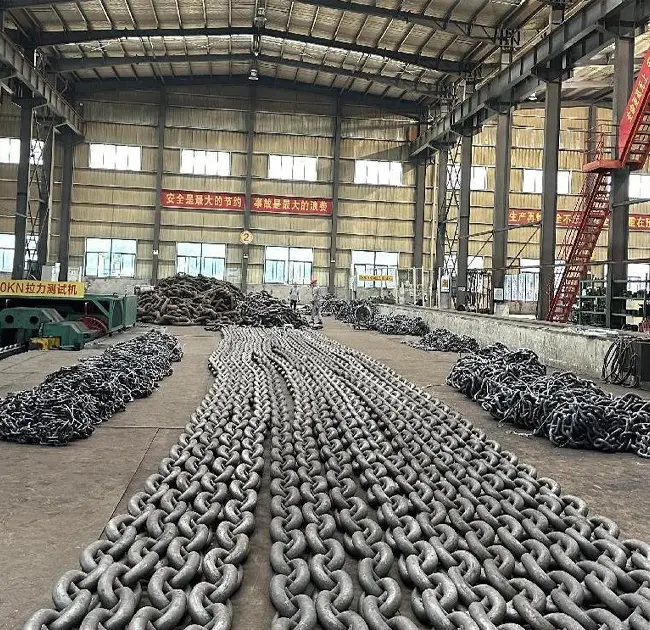
For offshore projects that require commonly used mooring grades and a defined size range, manufacturers such as Zhoushan Zhongnan Anchor Chain Co., Ltd. publicly list stud-link offshore mooring chain offerings in grades (commonly referenced in offshore applications) and a diameter range suitable for many projects, along with multi-society certification capabilities. Use that transparency as your baseline: if a supplier can’t clearly state grade/size scope and certification support, your project risk goes up.


FAQ

Is a stud-link chain always stronger than studless?

“Stronger” depends on grade, diameter, and how the chain is manufactured and tested. The stud primarily helps stabilize link shape and reduce deformation. Strength and fatigue performance come from the full combination of material quality, welding integrity, heat treatment, and compliance testing.

Which offshore grades should I consider first?

Start from your mooring analysis and the project specification. Common offshore projects reference “R” grades, but the correct choice depends on design loads, fatigue targets, and weight/handling constraints. If you don’t have a finalized spec, use your engineering design basis to define minimum grade requirements, then validate supplier capability with test evidence.

What is the fastest way to reduce procurement risk?

Require (1) traceability, (2) a complete test/document pack, and (3) a clear certification/inspection workflow in your RFQ—before you compare prices. Procurement risk is usually a paperwork and process problem long before it becomes a steel problem.

What should be included in the marking and traceability scheme?

At minimum: batch/shot IDs, heat numbers (where applicable), grade identification, and a document map that connects each delivered length to its test results. Traceability is what lets you investigate issues quickly and prevents costly “whole shipment” quarantines.

How do I know if my chain is compatible with stoppers and fairleads?

Confirm geometry and dimensional requirements early. Share your equipment constraints (stopper type, fairlead geometry, line routing) and request dimensional confirmations from the supplier. Compatibility problems are far cheaper to solve in the RFQ stage than offshore.


Next steps

If you’re specifying or sourcing a Stud Link Offshore Mooring Chain, treat your RFQ like an engineering document: define grade and size, demand traceability, and ask for proof that the supplier can deliver a complete, auditable documentation pack. That's how you protect schedule, safety, and lifecycle cost—at the same time.

For project-based quotations, certification-ready documentation support, and a clear discussion of grade/diameter options, reach out to Zhoushan Zhongnan Anchor Chain Co., Ltd. and contact us to start a technical RFQ review.

Related News
Leave me a message
X
We use cookies to offer you a better browsing experience, analyze site traffic and personalize content. By using this site, you agree to our use of cookies. Privacy Policy
Reject Accept