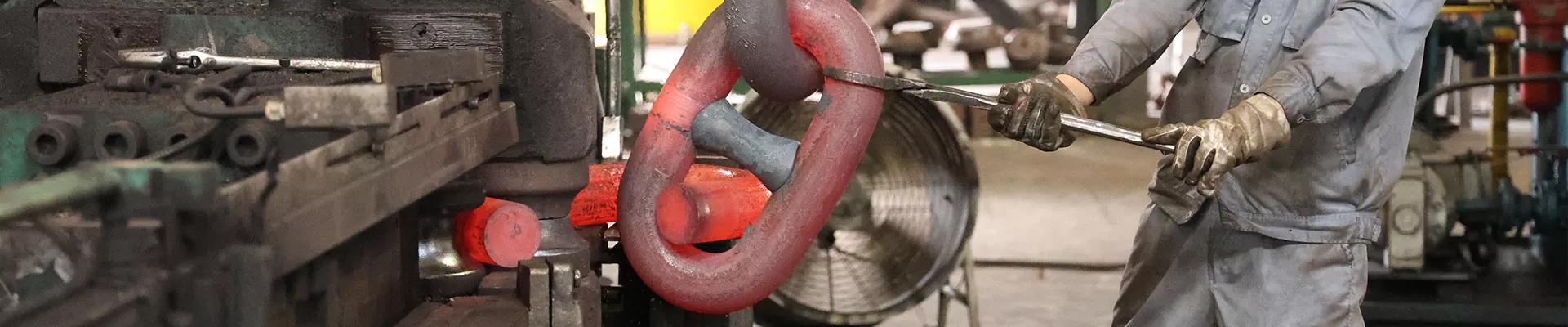
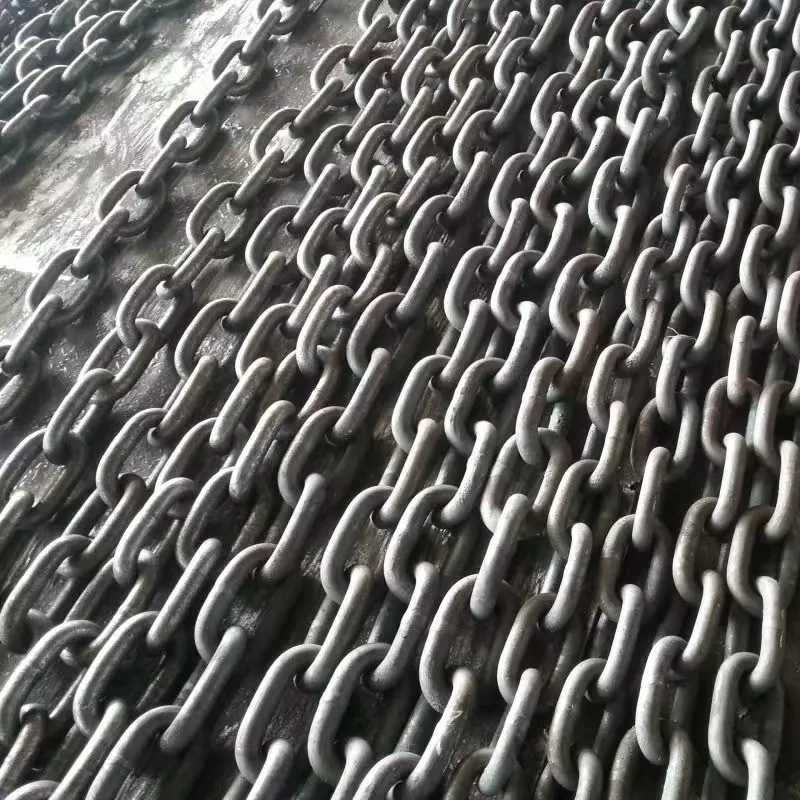
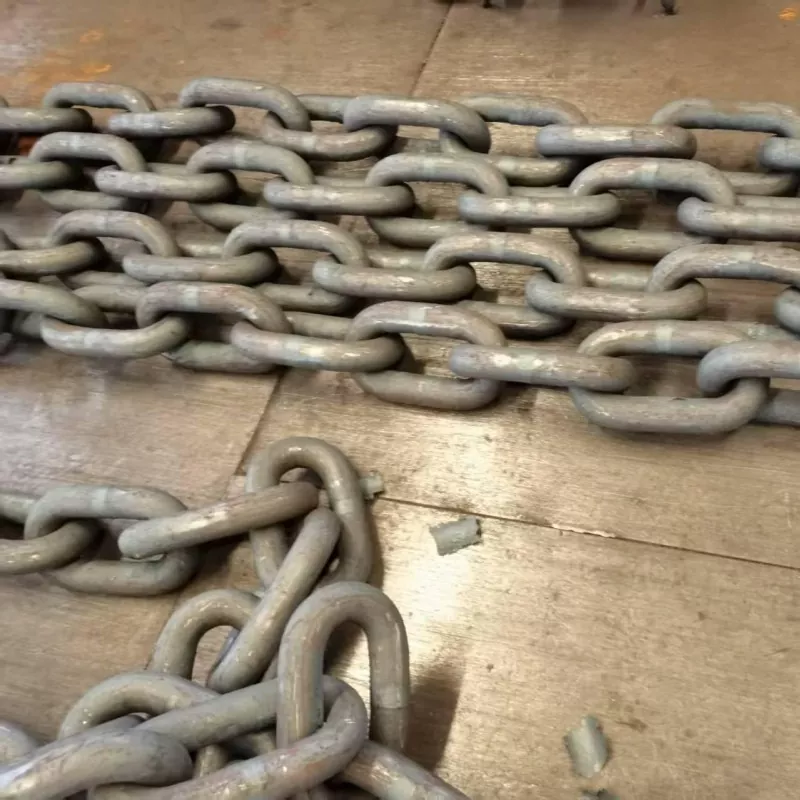
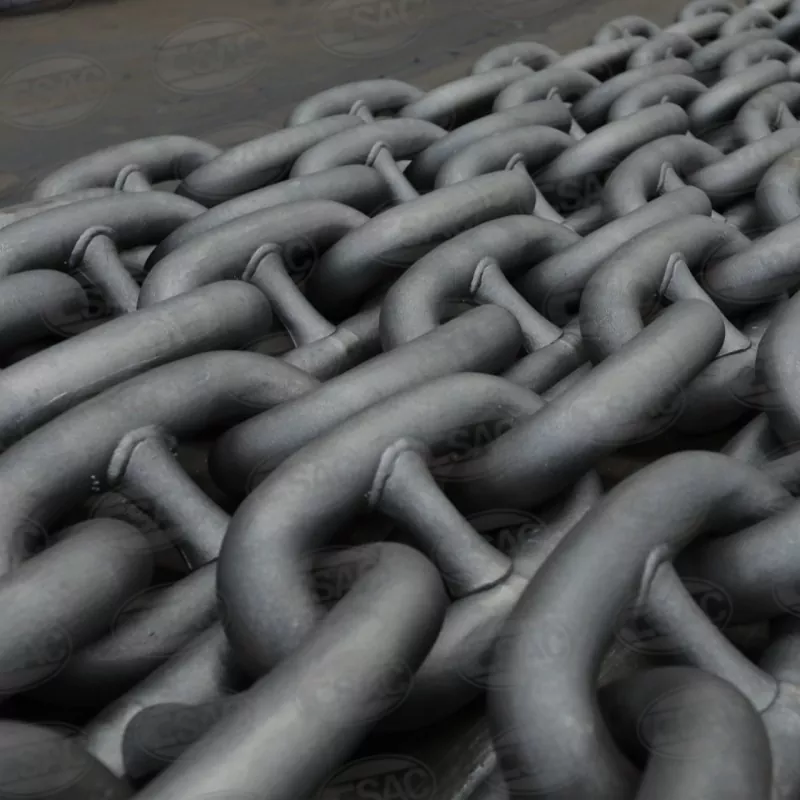
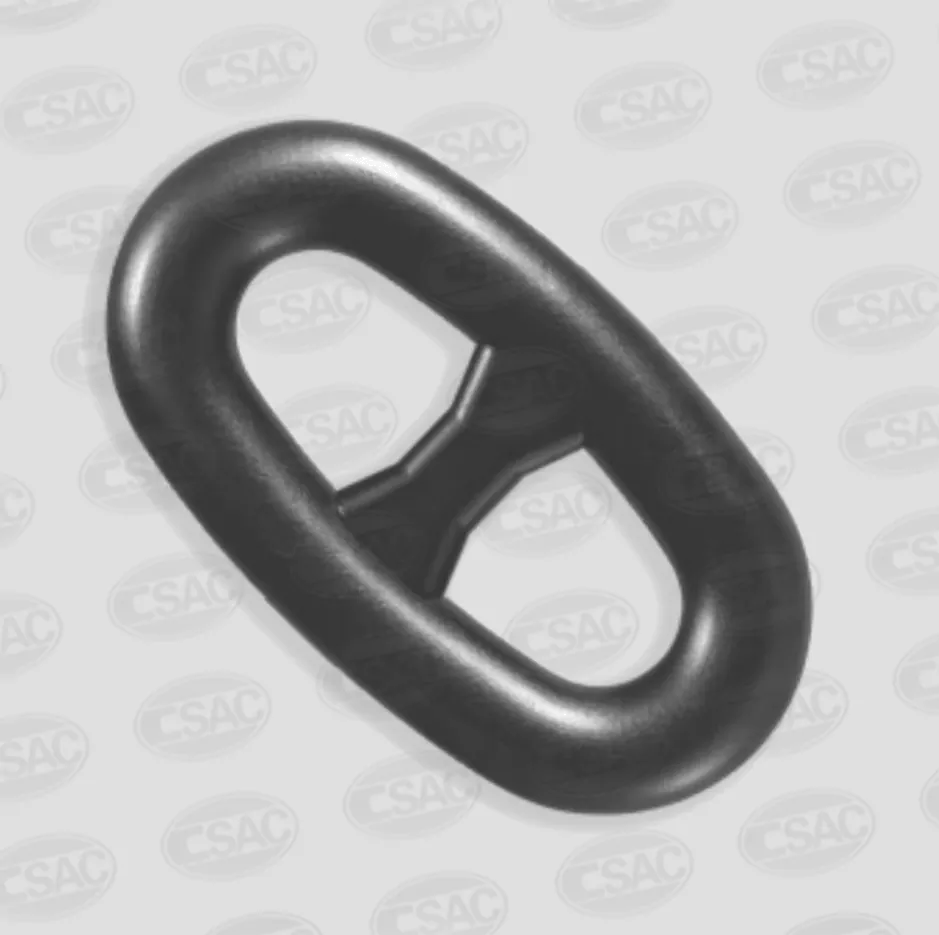
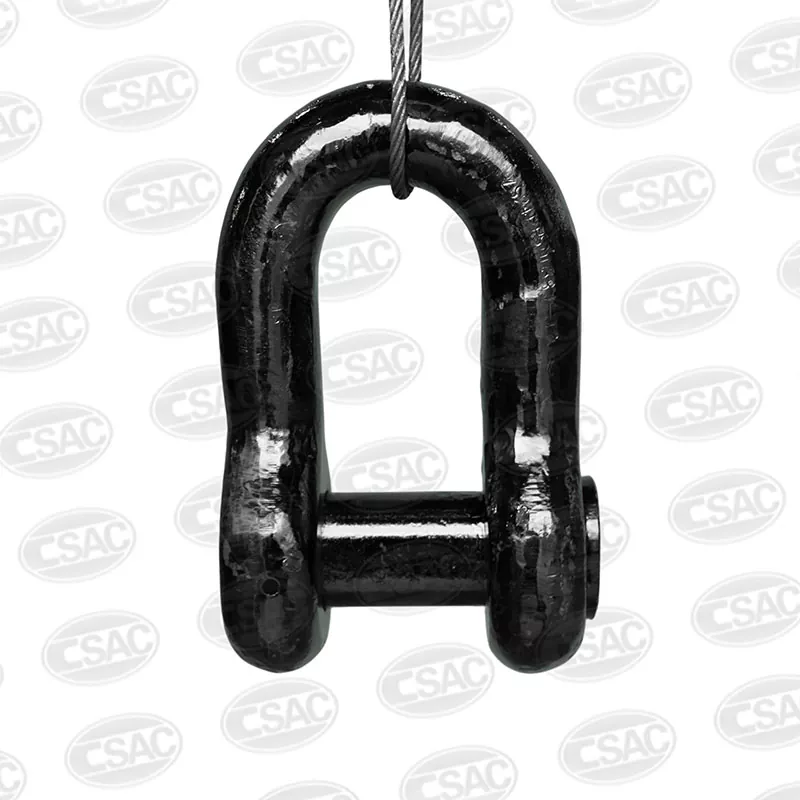
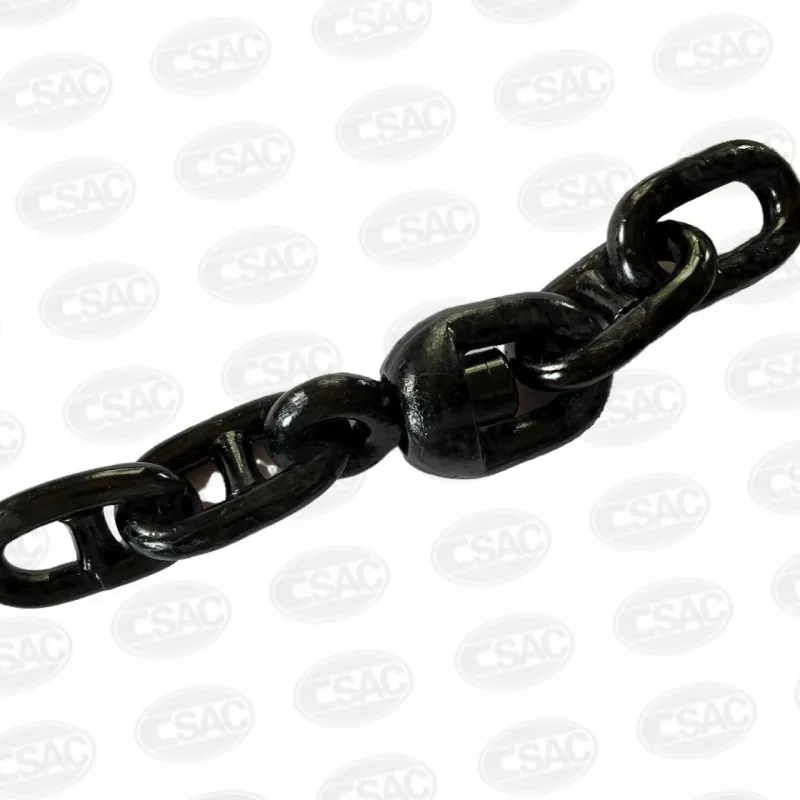
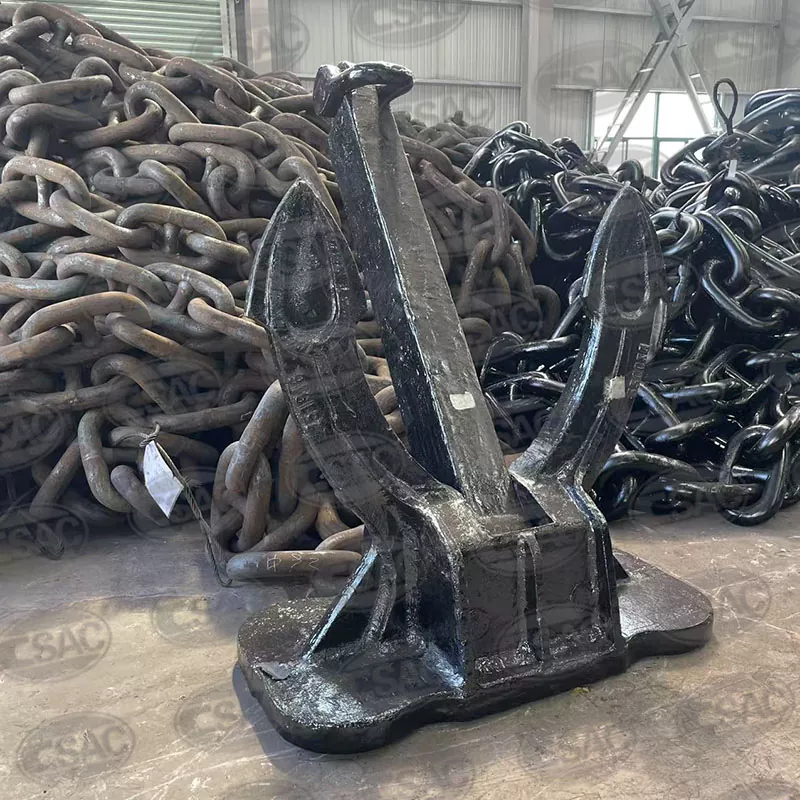
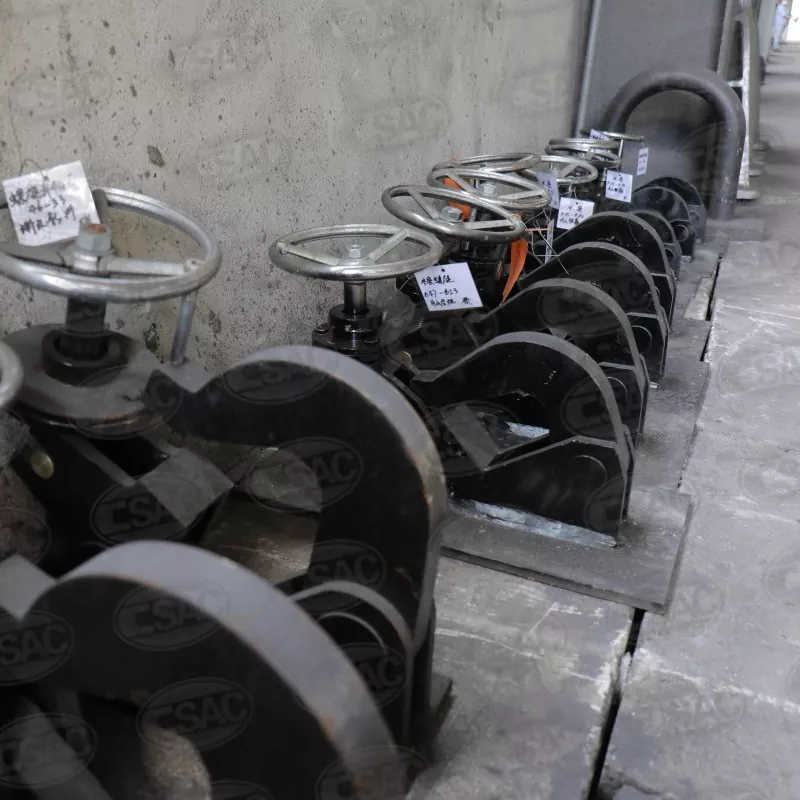
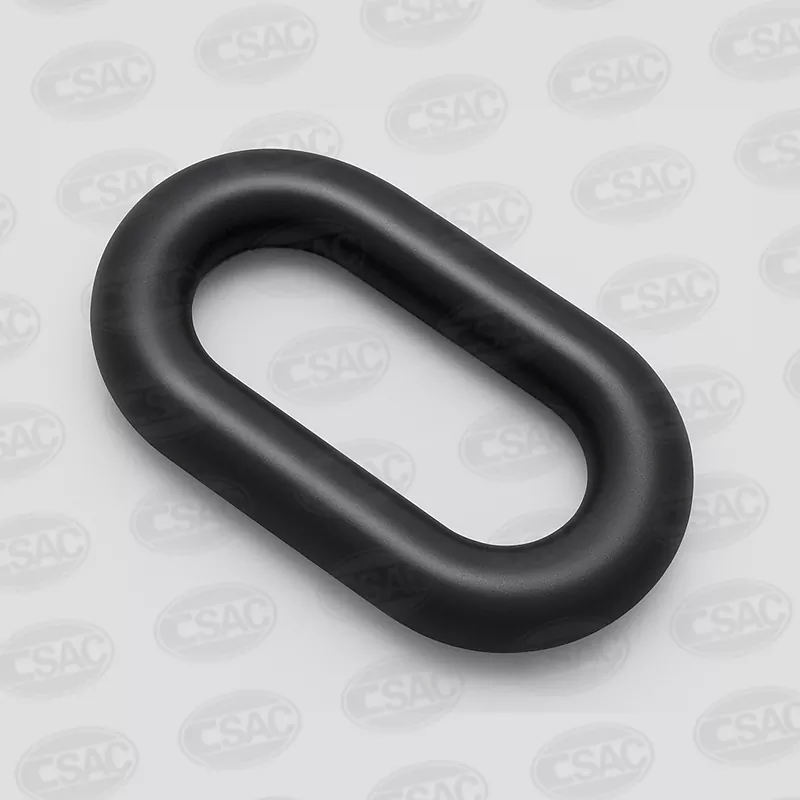
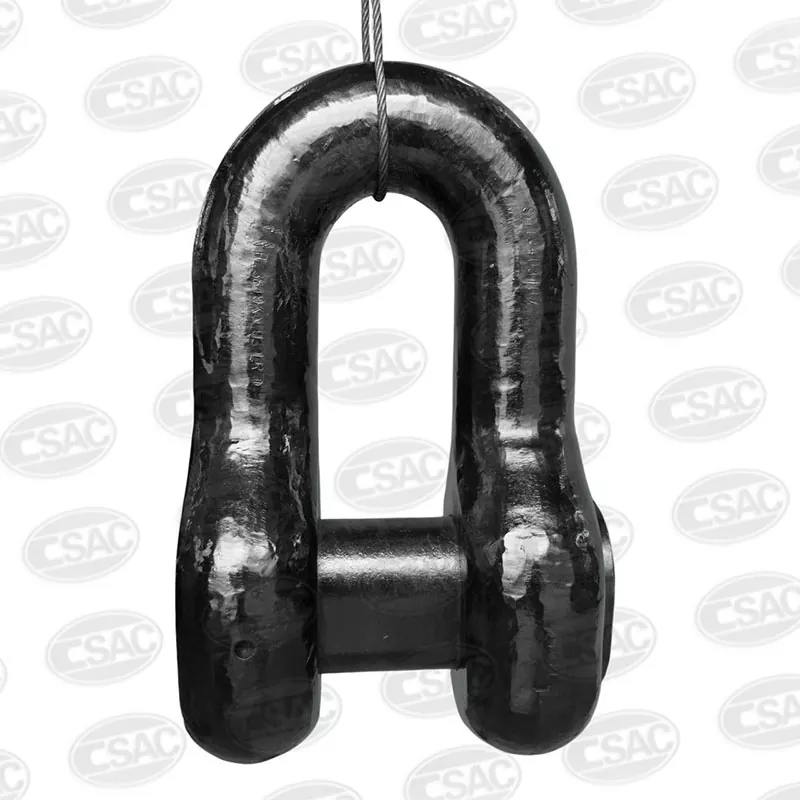
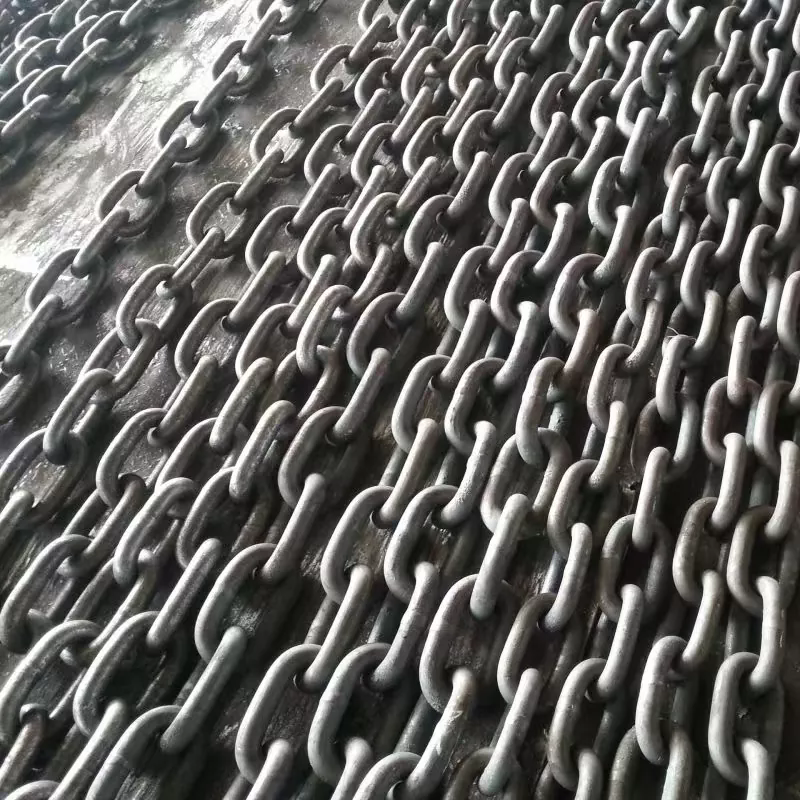
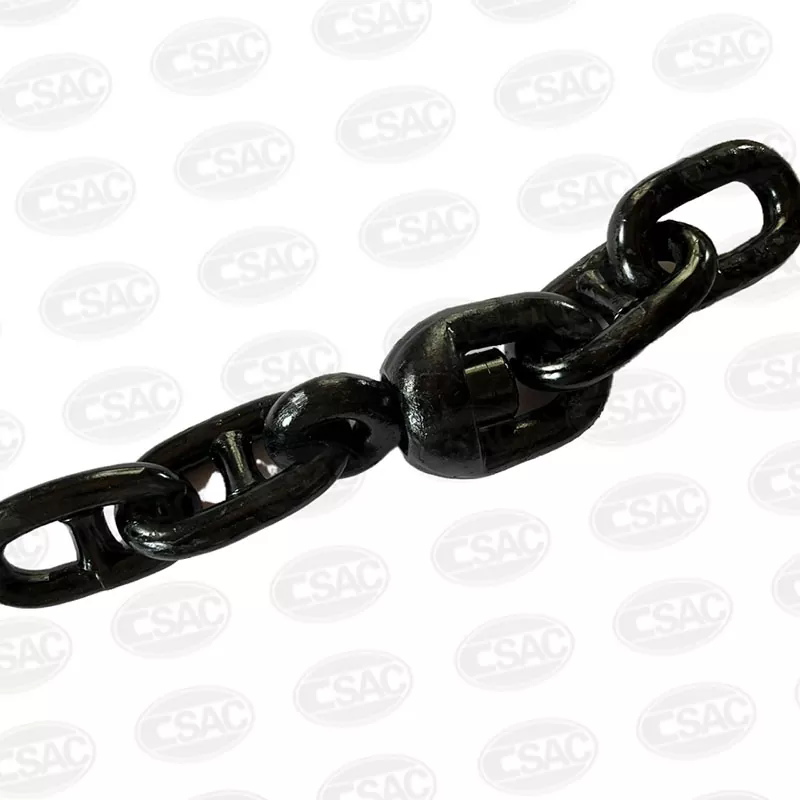
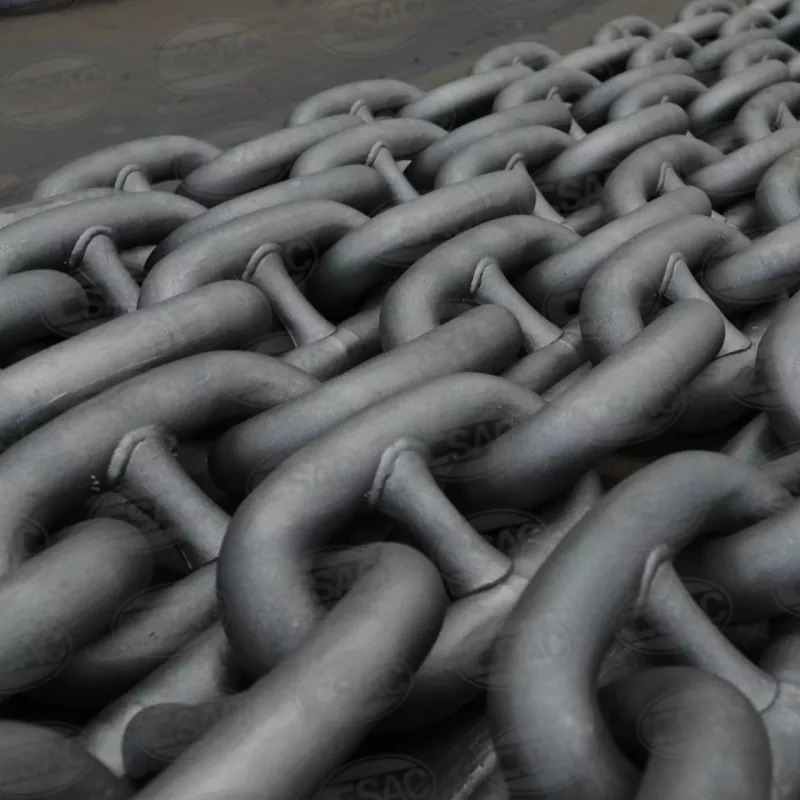
Studless Anchor Chains are widely used in offshore and marine mooring because they can be easier to handle, lighter per length, and less prone to some types of snagging than studded chain in certain systems. But choosing the “right” chain is rarely about one spec line—it’s about controlling failure modes: accelerated wear at fairleads, twist and kinking risk, mismatch with windlass/gypsy geometry, insufficient proof testing transparency, and paperwork gaps that can slow projects or cause rework. This article translates those pain points into a buyer-ready checklist: what to ask, what to verify, what to measure, and how to specify so your chain arrives ready for installation and stays reliable through service life.
When a project runs late, chain is often blamed for being “just a commodity.” In reality, the biggest issues are preventable—if you ask the right questions early. Here are the most common pain points customers face when sourcing Studless Anchor Chains:
If you’ve ever thought, “Why is chain procurement so stressful?”—it’s because chain is one of those components where small variances create big operational consequences. The good news: you can turn most of this into a controlled process.
“Studless” doesn’t automatically mean “better”—it means different trade-offs. Many operators choose Studless Anchor Chains because they can be simpler to handle in certain layouts and reduce some snagging concerns. That said, studless chain can be more sensitive to twist/kink in some situations, so selection should reflect the system design and operational routines.
Typical good fits
Situations to evaluate carefully
The fastest way to reduce risk is to write a purchase specification that leaves no room for interpretation. When you request Studless Anchor Chains, your RFQ should describe the chain as a system component, not just a diameter.
Key items to include in your specification
If you want a simple rule: specify what you will verify. If it cannot be verified at receiving inspection, it is likely to become a dispute later.
A strong supplier doesn’t just say “we meet the standard”—they make it easy for you to prove it. For Studless Anchor Chains, quality credibility usually comes from a bundle of evidence:
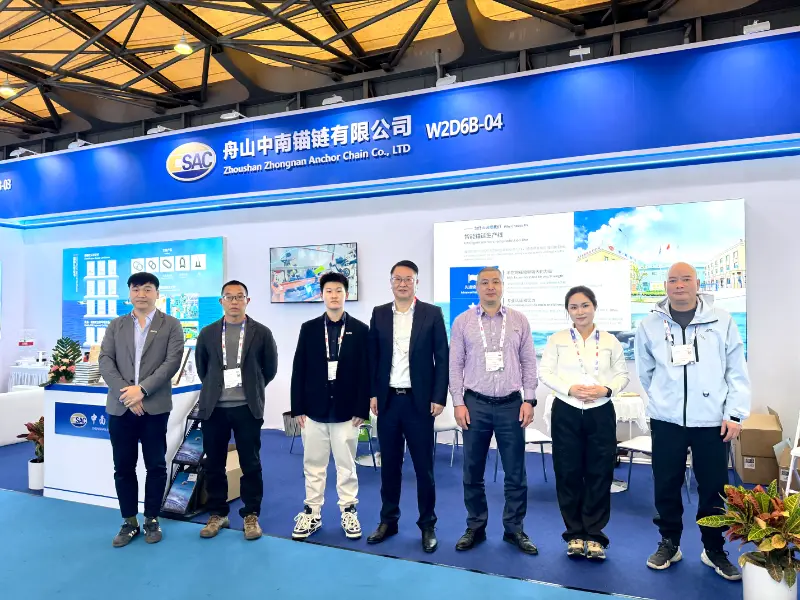
If you are evaluating a supplier such as Zhoushan Zhongnan Anchor Chain Co., Ltd., the most useful question isn’t “Do you make studless chain?” It’s: “Can you provide a complete documentation package that matches my acceptance workflow?” That’s where delays are won or lost.
Even the best Studless Anchor Chains can underperform if handling practices create avoidable twist, shock, or abrasion. Below are practical habits that reduce surprises during installation and service.
Handling recommendations
A small investment in monitoring tends to pay back quickly—because chain issues usually appear gradually before they become critical, if you’re measuring the right things.
Use the table below as a quick decision tool when comparing suppliers or deciding whether a studless chain configuration is a good fit for your mooring system. It’s intentionally written in “buyer language,” not academic language.
| Decision Factor | What to Check | Why It Matters |
|---|---|---|
| System compatibility | Windlass/gypsy fit, fairlead clearance, stoppers, end connections | Prevents poor seating, shock loads, accelerated wear, and unsafe handling |
| Twist and kinking risk | Rotation control plan, swivel selection, handling procedures | Reduces operational disruptions and damage caused by twist accumulation |
| Quality evidence | Traceability, proof test reports, dimensional/NDT documentation | Speeds acceptance and builds confidence in compliance |
| Lead time realism | Production capacity, inspection scheduling, shipping packaging plan | Avoids project delays caused by rework, missed inspections, or poor packing |
| Lifecycle cost | Wear management approach, monitoring plan, spare strategy | Helps you optimize replacement timing and reduce downtime |
If you only copy one section into your RFQ email, copy this. It helps you compare quotes apples-to-apples and reduces the chance you’ll discover “missing pieces” after the PO is placed.
This is how you turn Studless Anchor Chains procurement into a controlled process rather than a stressful guessing game.
Q1: Are Studless Anchor Chains always better than studded chains?
Not always. Studless designs can offer handling advantages in some systems, but they may require careful twist control and compatibility checks. The “best” choice depends on your mooring layout, equipment geometry, and operational practices.
Q2: What documents should I expect with a chain order?
Common expectations include material certificates, proof testing records, and dimensional inspection reports. If your project requires NDT records or third-party witnessing, specify it in the RFQ so the supplier can plan accordingly.
Q3: How do I reduce the risk of twist or kinking?
Control rotation during handling, confirm that your system design supports twist management, and select appropriate accessories (such as swivels) when required by the application. Also train crews on payout/recovery practices that avoid introducing rotation.
Q4: What should I verify at receiving inspection?
Verify markings and traceability, confirm lengths/shot configuration, check critical dimensions against your system interfaces, and review documentation completeness before installation. Catching mismatches early prevents costly rework offshore.
Q5: How can I compare suppliers beyond price?
Compare evidence: traceability strength, clarity of testing records, willingness to align with your acceptance workflow, and realism of lead times. A slightly higher unit price can be cheaper than delays, disputes, or accelerated wear.
If you’re sourcing Studless Anchor Chains and want fewer surprises—faster acceptance, cleaner documentation, and chain that fits your system the first time—treat your RFQ like an engineering document, not a commodity request. Zhoushan Zhongnan Anchor Chain Co., Ltd. can support buyer-friendly specifications and documentation expectations for real-world marine and offshore projects.
Send your diameter, grade requirement, total length/shot configuration, and any interface constraints (windlass/gypsy, fairleads, stoppers), and we’ll help you structure a clearer, lower-risk procurement package. Ready to move? Contact us to get a technical quote and documentation checklist aligned with your project acceptance process.
Phone: +86-580-3695396
Mobile: +86-13968286968
E-mail: allsales@znmlzz.com
Address:No. 10 Xinhui Road, Zhanmao Street, Putuo District, Zhoushan City, Zhejiang Province, China
Copyright © 2025 Zhoushan Zhongnan Anchor Chain Co., Ltd. All Rights Reserved.