Follow Us:

News

How Can a Joining Shackle Improve Chain Connection Performance?

2026-01-26 0 Leave me a message

Article Summary

The joining shackle is a fundamental mechanical fitting used to securely connect lengths of chain, especially in anchor systems, lifting rigging, and heavy-duty applications. This article explores what joining shackles are, how they function, key technical considerations, types and selection criteria, safety practices, and answers to common questions typically encountered by professionals dealing with chain assemblies. Readers will gain a structured perspective capable of supporting practical decision-making in marine, construction, or industrial environments.

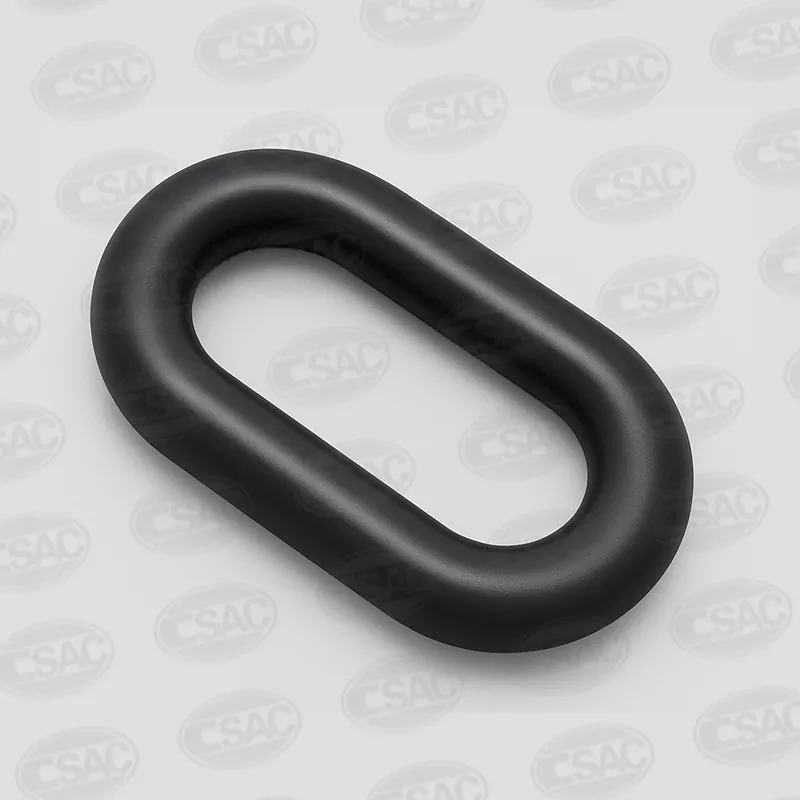
Joining Shackle

Table of Contents


1. Definition and Core Function

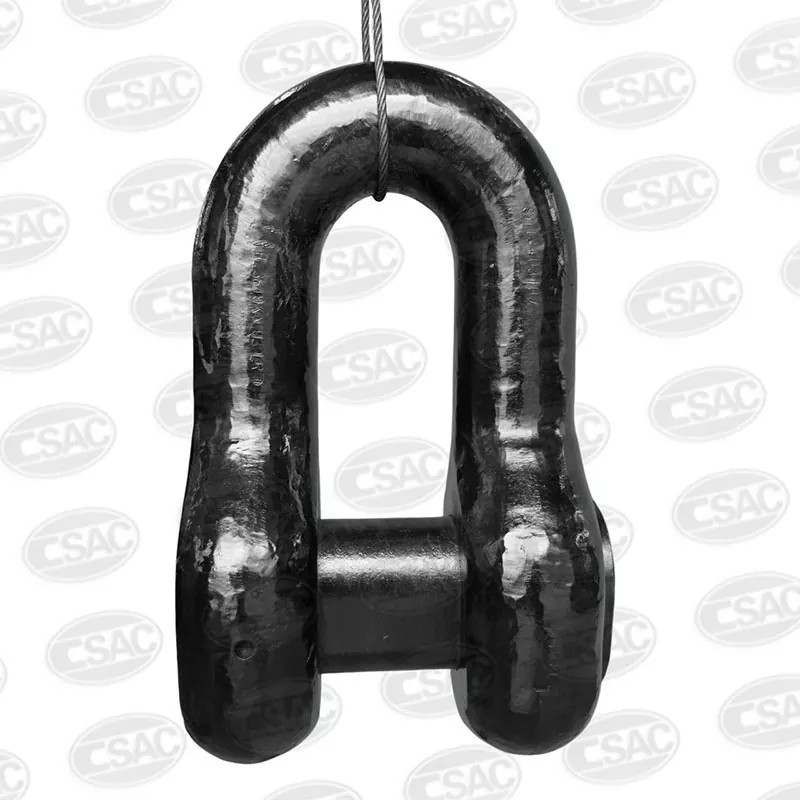
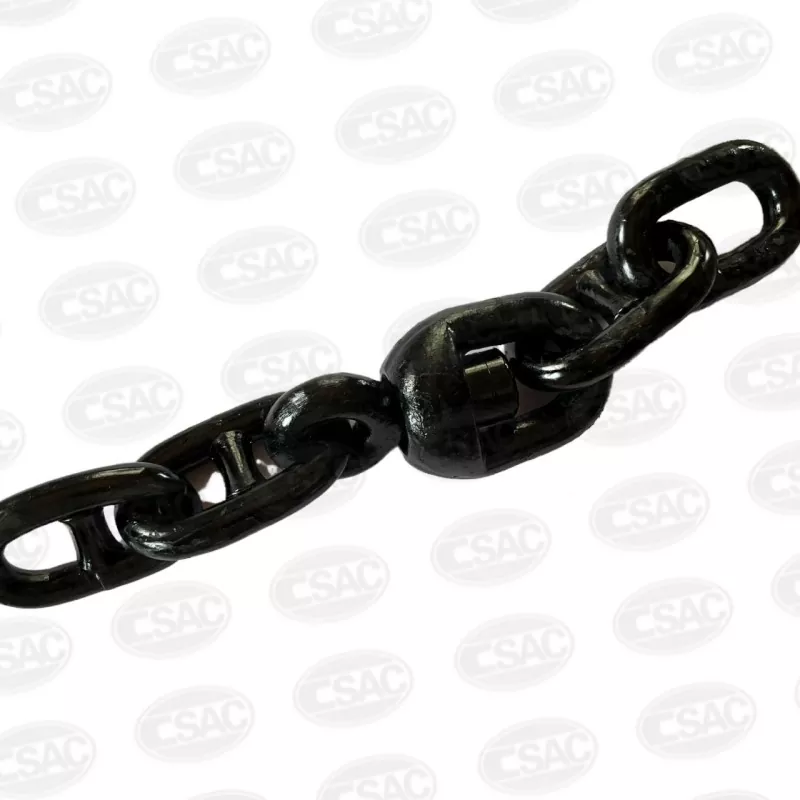
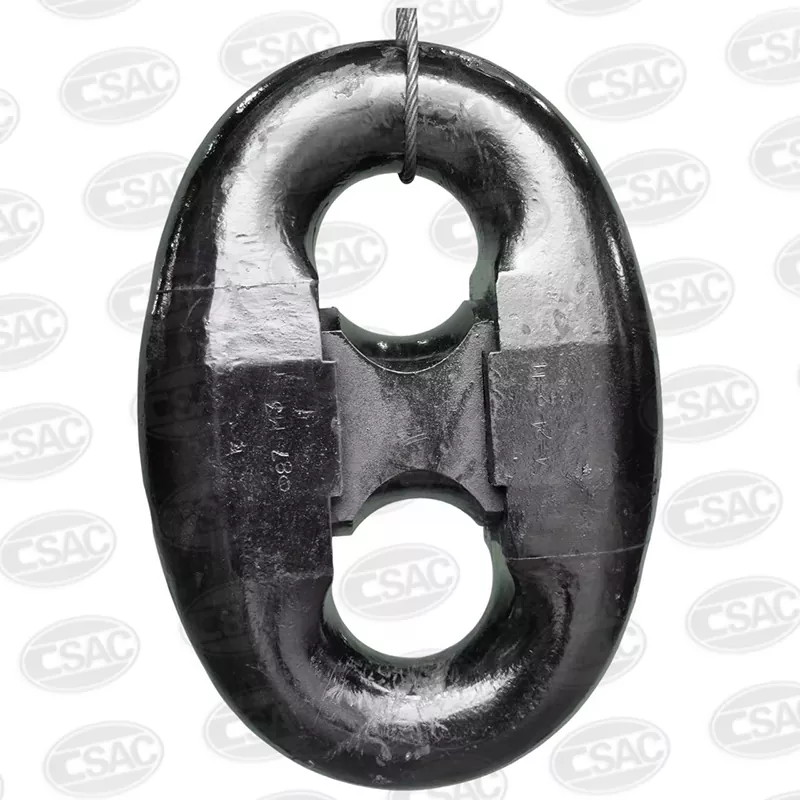
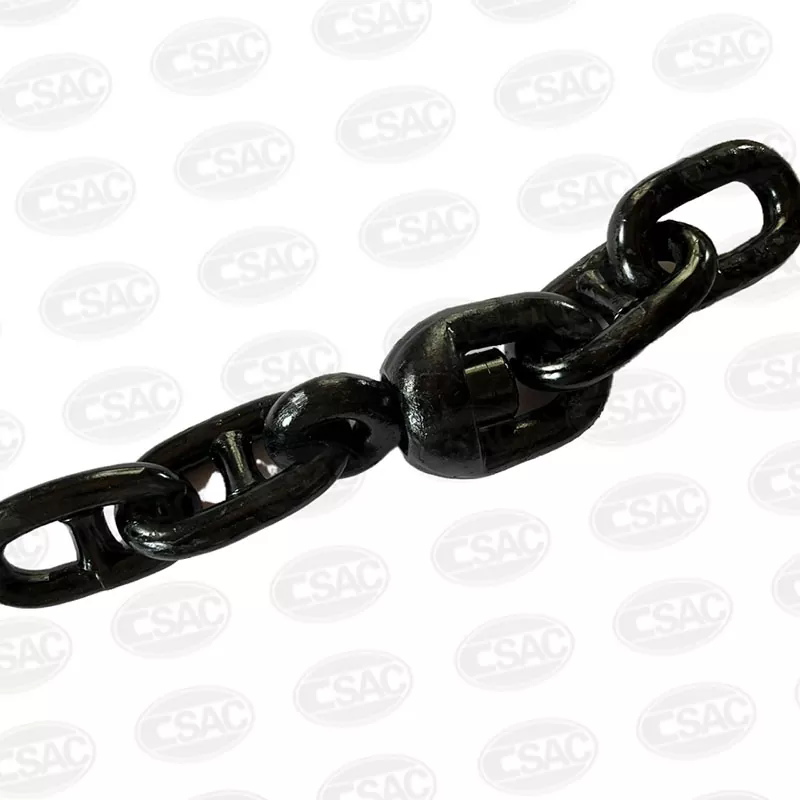
A joining shackle is a specialized connector designed to link two lengths of chain or attach chain ends to ancillary components such as anchors, hooks, or lifting equipment. In many maritime and industrial contexts, connecting chain segments with a robust and reliable fitting is critical for load integrity and operational safety. The joining shackle’s core function is to provide a removable yet load-bearing joint between chain segments without compromising the strength characteristics of the assembly. 


2. Types of Joining Shackles

Joining shackles come in several structural variants, each tailored for specific applications and connection requirements:

  • Standard D-Type Joining Shackle – Common for general applications with narrower profiles and removable pins. 
  • Kenter Joining Shackle – Designed for marine anchor chain connections; comprises two halves with a taper pin closure. :
  • Bolt Type Shackle – Includes a threaded bolt and nut secured with a cotter pin, suitable in lifting and rigging tasks. 

3. Technical Specifications

The performance of a joining shackle is governed by several measurable technical parameters. Typical specifications to review include:

Specification Item Guideline Range or Value
Material Carbon Steel, Alloy Steel, Stainless Steel
Surface Treatment Hot-dip galvanized, painted, self-colour finish
Working Load Limit (WLL) Varies by chain diameter and grade; must exceed expected operating forces
Certification ABS, DNV, BV, LR, CCS marine standards
Nominal Chain Diameter Fit 12.5 mm to 162 mm range common

Matching the shackle’s rated capabilities with the intended chain and application requirements ensures safe operation and reduces the risk of premature failure. :contentReference[oaicite:4]{index=4}


4. Application Scenarios

Joining shackles play versatile roles across various industries where secure chain interconnections are required:

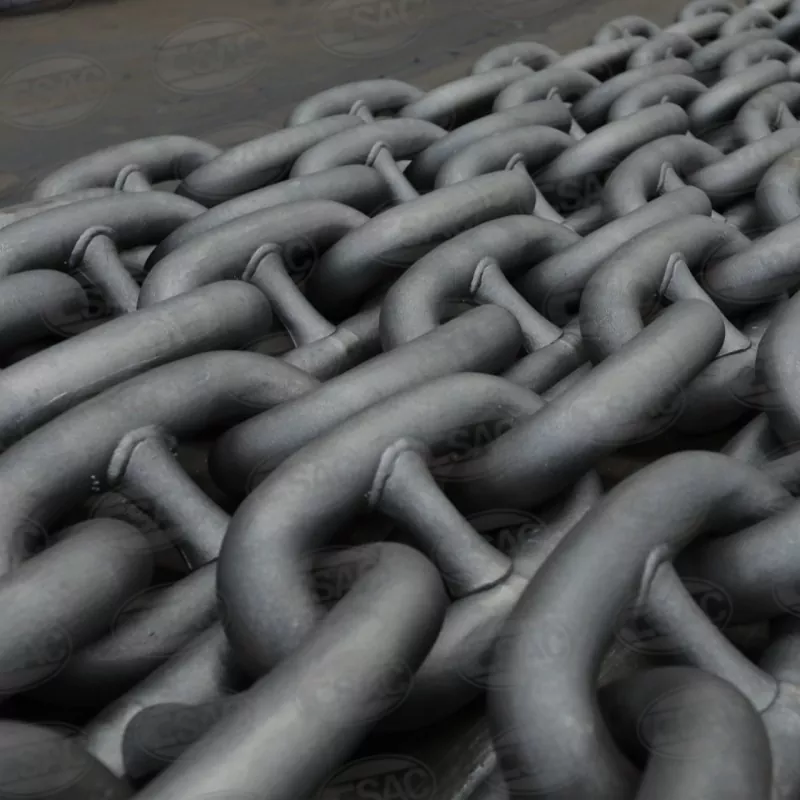
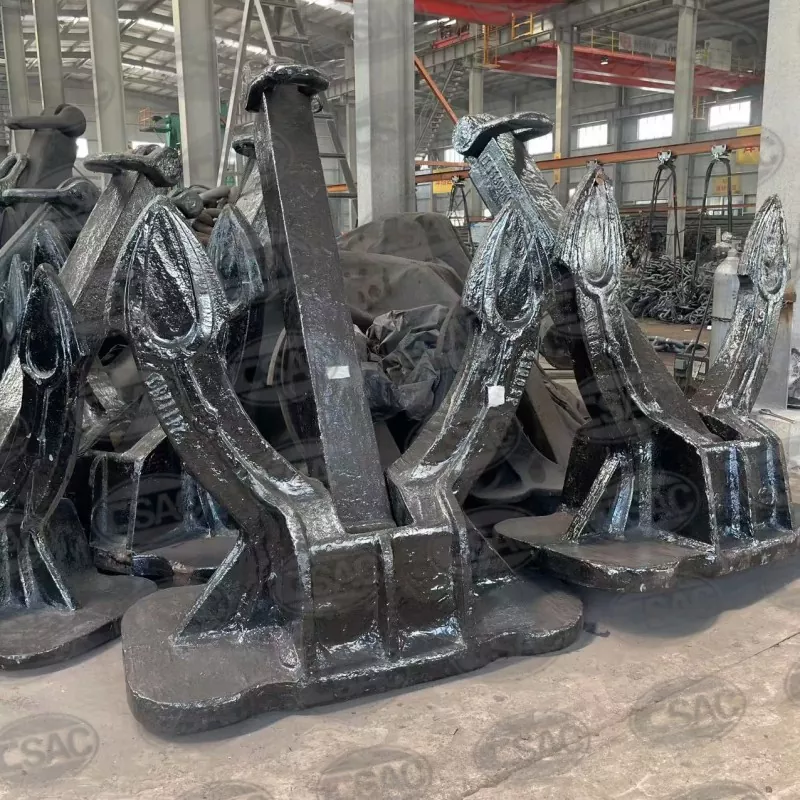
  • Marine and Offshore – Connecting anchor chains and mooring systems on ships, offshore platforms, and rig structures. 
  • Construction and Lifting – Attaching chains in overhead lifting gear, rigging assemblies, and load-bearing linkages. :co
  • Industrial Material Handling – Conveyor systems and bulk material transfer setups where modular chain connections are needed. 

5. Criteria for Selection

Selecting the appropriate joining shackle requires evaluation of multiple factors including load capacity, material compatibility, environmental conditions, and compliance with regulatory standards:

  • Ensure shackle WLL exceeds dynamic and static load requirements by appropriate safety factors.
  • Confirm surface treatment and material grade match corrosive or marine conditions.
  • Choose certified products with traceable compliance documentation.
  • Verify that the joining shackle size is compatible with the chain diameter and adjacent fittings.

6. Safety and Best Practices

Operational safety when using joining shackles depends on proper installation, inspection, and maintenance:

  • Inspect shackles routinely for signs of wear, corrosion, or deformation. 
  • Apply suitable lubricants on moving components to prevent thread jamming. 
  • Avoid side loading; align loads in-line with shackle design direction. 
  • Replace any shackle that shows signs of compromised integrity immediately.

7. Frequently Asked Questions

Q: What is the primary purpose of a joining shackle?
A: A joining shackle is engineered to connect two lengths of chain or attach chain ends to other fittings. It enables secure, removable connections often required in anchor chain systems or lifting gear.

Q: How do you select the correct joining shackle for a specific chain?
A: The correct joining shackle is selected based on the nominal diameter of the chain, required working load limit, material, and applicable certification standards. Ensuring these parameters match prevents unexpected failures and supports safe operations. 

Q: Can joining shackles be used outside marine applications?
A: Yes. Joining shackles are also used in industrial lifting, construction rigging, and material handling contexts, providing robust connections wherever chain segments must be joined securely.


8. Conclusion and Contact Information

Understanding the role, types, specifications, and application contexts of joining shackles enables professionals to make informed decisions when configuring chain systems for marine, industrial, or construction uses. Correct selection, installation, and safety practices maintain performance and reduce operational risks.

For tailored joining shackle solutions, high-quality manufacturing, and reliable supply of anchor chain accessories, Zhoushan Zhongnan Anchor Chain Co., Ltd offers a broad range of products and technical guidance. To explore product options, request specifications, or arrange technical consultation, please contact us today to discuss your requirements and secure dependable chain connection solutions.

Contact Us for personalized product support, quotes, and partnership opportunities.

Related News
Leave me a message
X
We use cookies to offer you a better browsing experience, analyze site traffic and personalize content. By using this site, you agree to our use of cookies. Privacy Policy
Reject Accept