Article Summary: This comprehensive guide explores Stud Link Anchor Chains, detailing their manufacturing, specifications, applications, and maintenance. It provides in-depth insights for marine engineers, ship operators, and procurement professionals, highlighting essential considerations when selecting anchor chains.
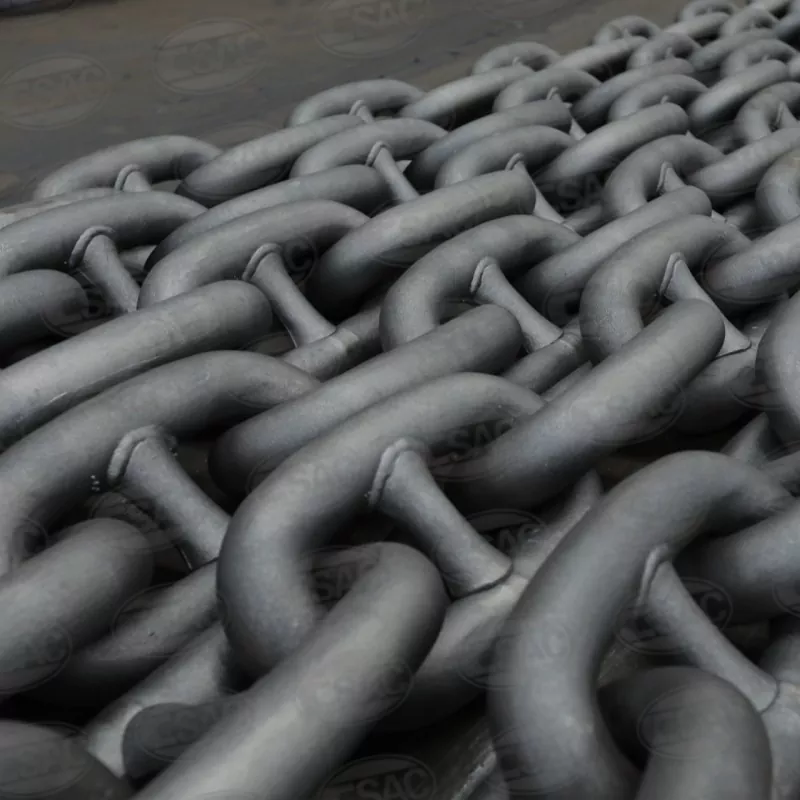
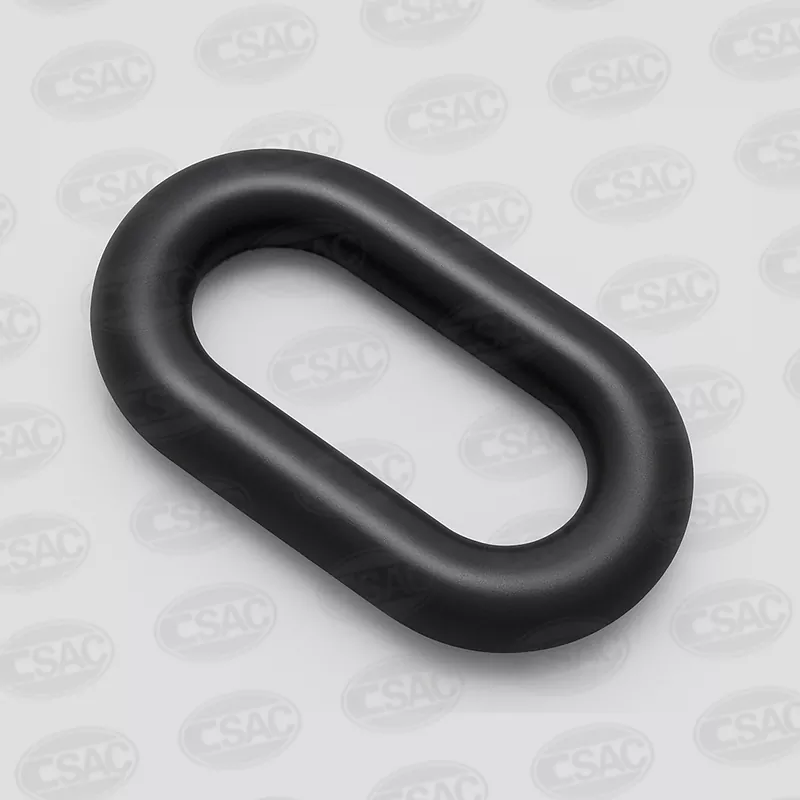
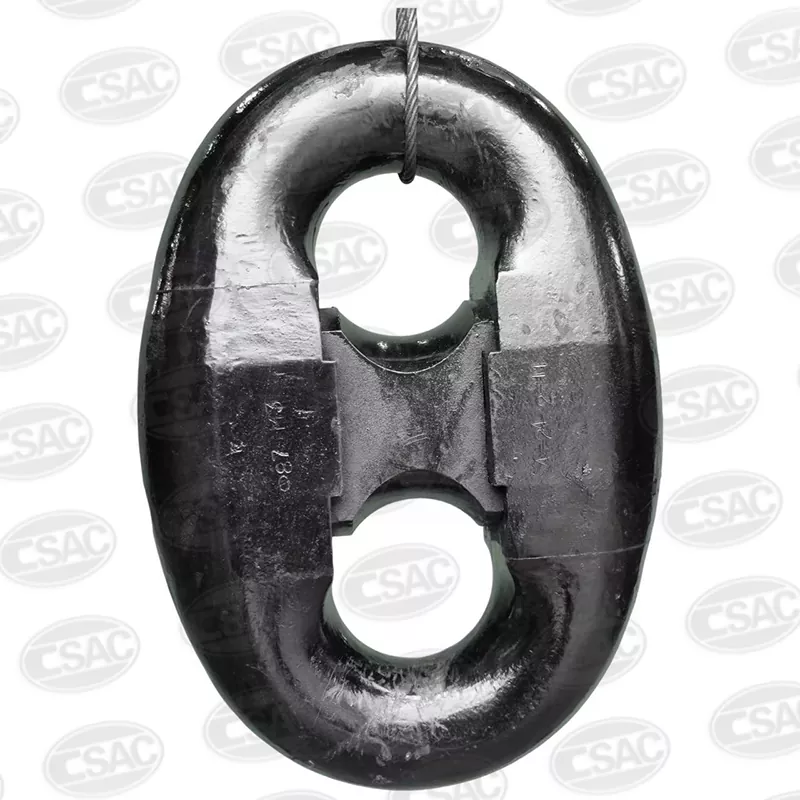
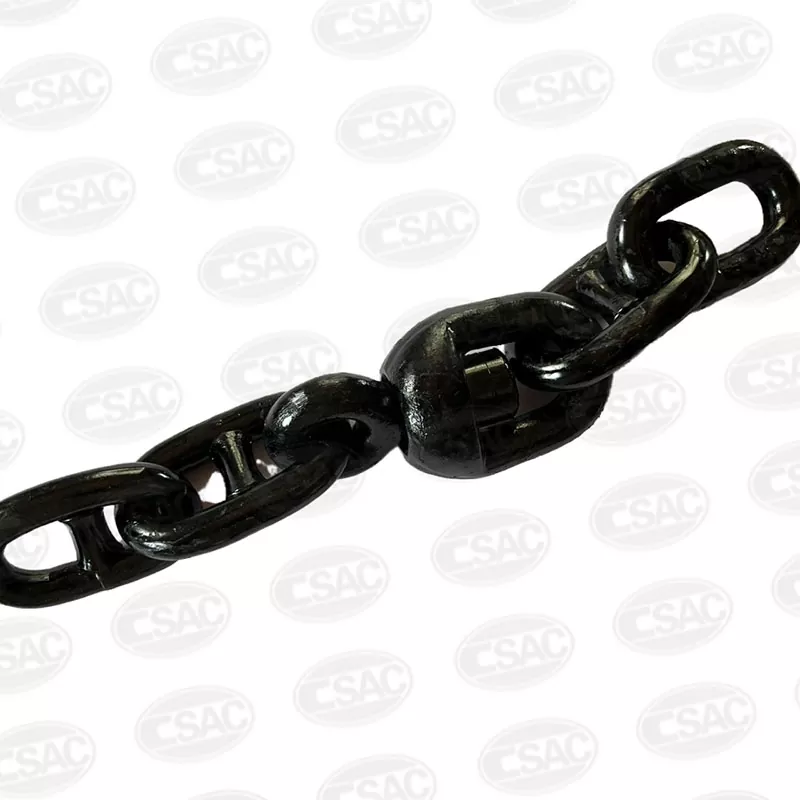
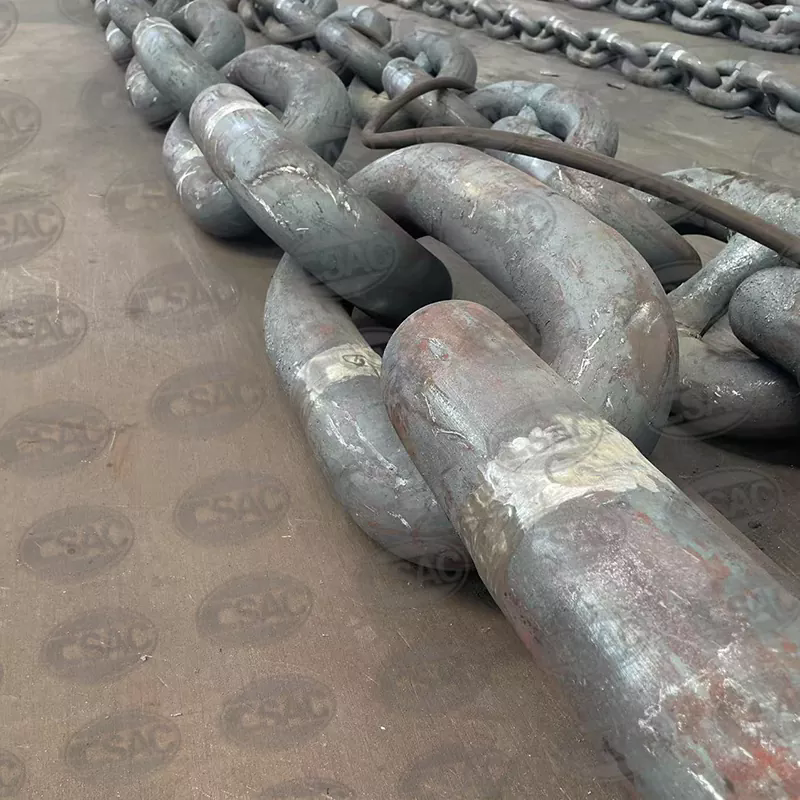
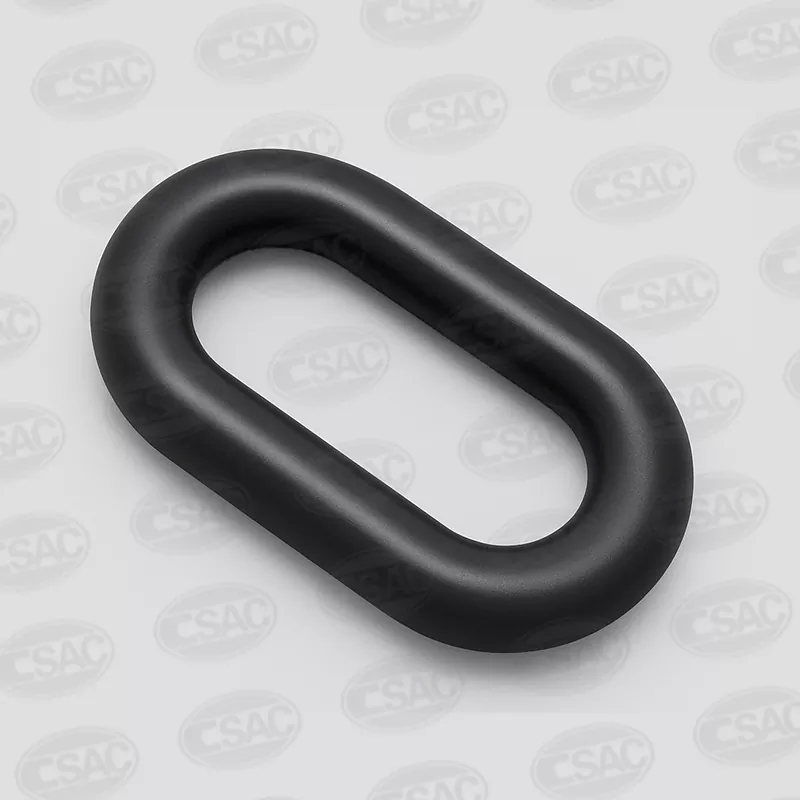
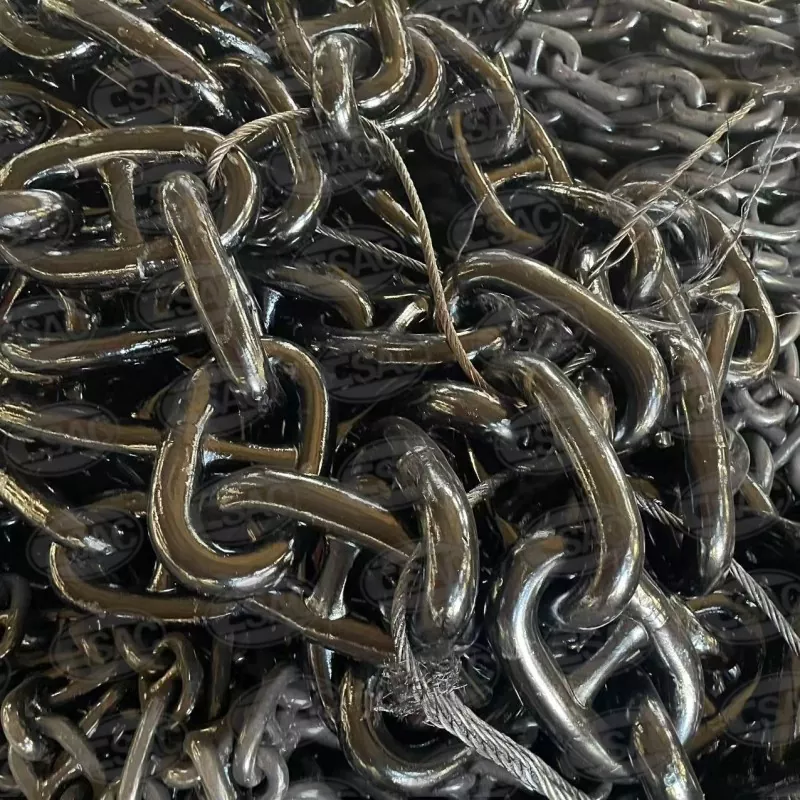
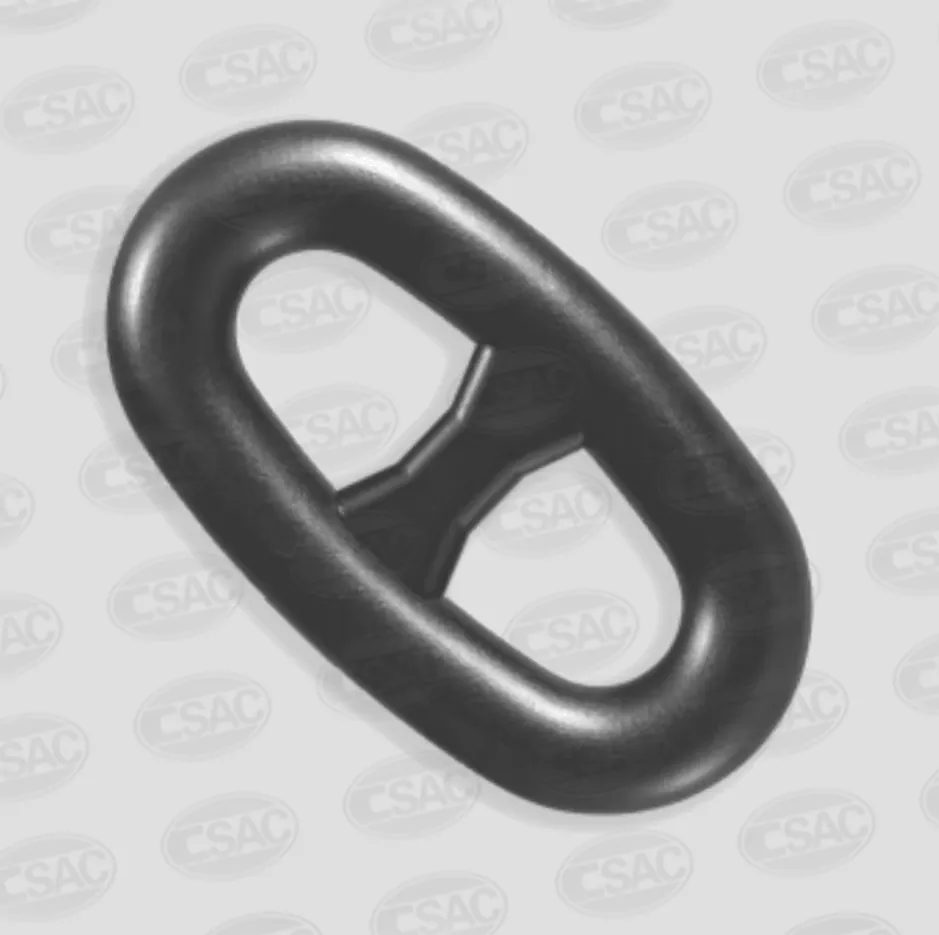
Stud Link Anchor Chains are critical components in marine anchoring systems, providing reliability and high tensile strength for ships, offshore platforms, and harbor facilities. These chains are constructed with a stud inserted through each link, enhancing strength, reducing bending stress, and minimizing wear. Stud Link Anchor Chains comply with international standards such as ISO 1704, ASTM, and ABS regulations.
The central aim of this article is to guide stakeholders in understanding the manufacturing process, technical specifications, proper application, and maintenance of Stud Link Anchor Chains, enabling informed purchasing and operational decisions.
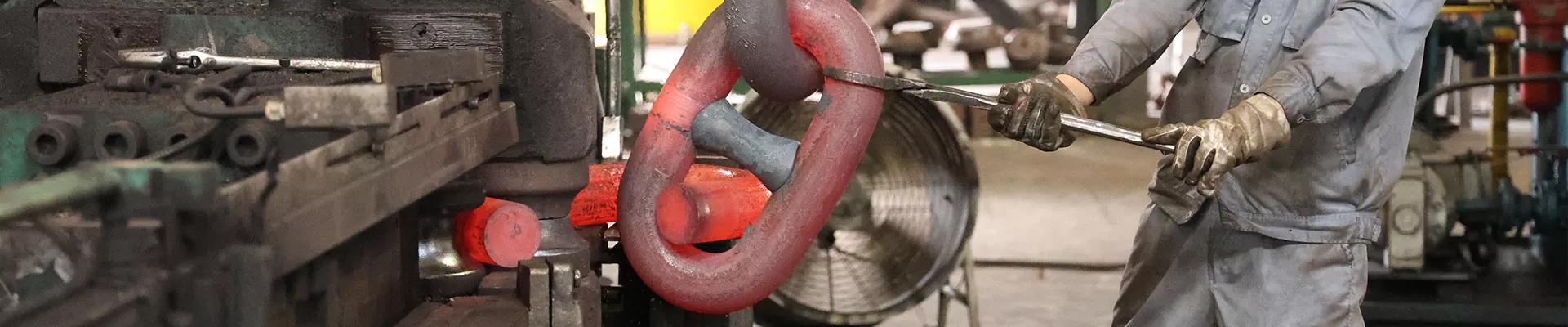
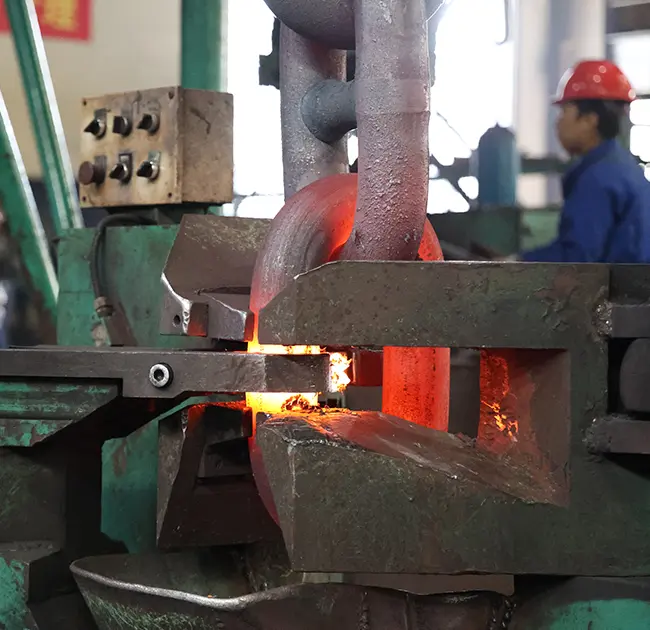
Stud Link Anchor Chains are typically made from high-grade alloy steel with controlled carbon and manganese content. The manufacturing process involves:
| Specification | Details |
|---|---|
| Material | High-Grade Alloy Steel (Carbon 0.45%-0.55%, Manganese 0.7%-1.0%) |
| Tensile Strength | Grade 2: 60-65 kN/mm²; Grade 3: 65-70 kN/mm²; Grade 4: 70-75 kN/mm² |
| Stud Diameter | Matches chain link thickness, typically 25%-35% of inner link diameter |
| Surface Treatment | Hot-dip Galvanized, Painted, or Bare Steel |
| Standard Compliance | ISO 1704, ASTM, ABS, LR |
| Typical Chain Size | From 16mm to 152mm diameter links |
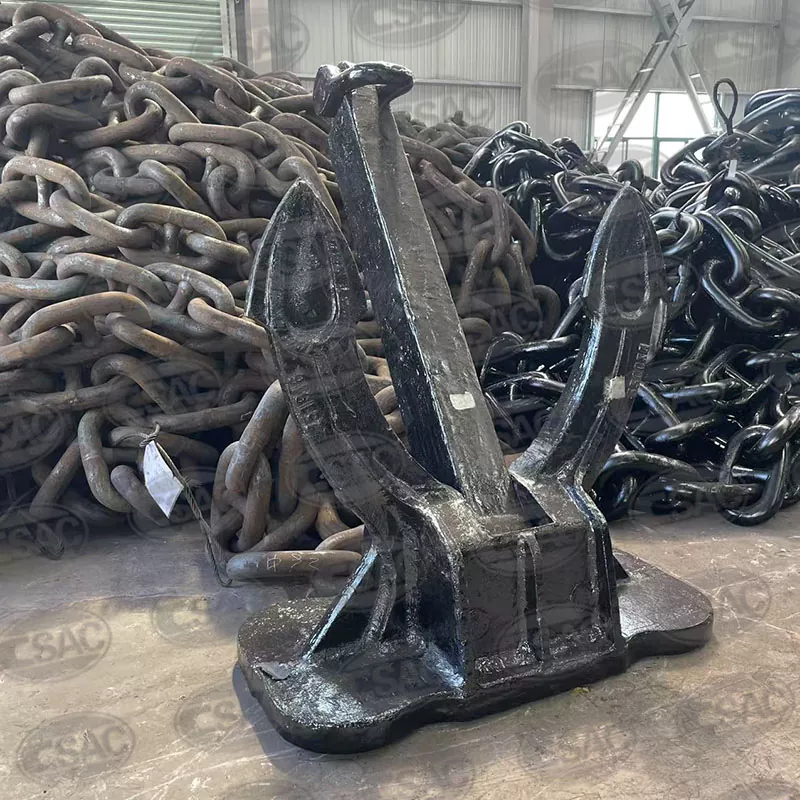
Stud Link Anchor Chains are widely applied in:
Proper maintenance involves regular inspection for wear, corrosion, and deformation. Lubrication of moving components, cleaning after exposure to saltwater, and timely replacement of damaged links are critical. Chains should be stored in ventilated, dry areas to prevent rust and degradation.
Selection depends on vessel displacement, water depth, and environmental conditions. Consider chain grade, tensile strength, link diameter, and stud type. Professional consultation and adherence to ISO or classification society standards ensure optimal performance and safety.
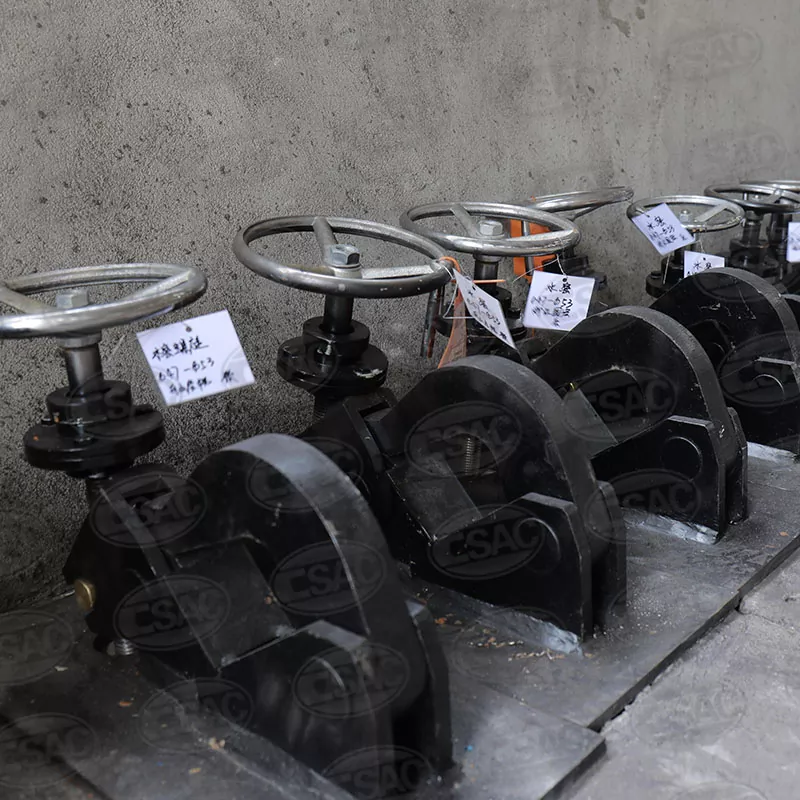
Testing includes tensile tests, hardness measurements, magnetic particle inspections, and visual examination. Each chain batch must meet international marine standards, ensuring uniformity and reliability during anchoring operations.
Q1: What is the main advantage of stud link over studless anchor chains?
A1: Stud link anchor chains provide higher resistance to bending and wear due to the stud reinforcement. This reduces fatigue under repeated loading and enhances overall chain durability in harsh marine environments.
Q2: How often should anchor chains be inspected?
A2: Anchor chains should be inspected at least every six months for visual wear and annually for comprehensive testing. High-stress environments may require more frequent inspections to ensure operational safety.
Q3: Can stud link anchor chains be used for both saltwater and freshwater applications?
A3: Yes, stud link anchor chains are suitable for both environments. Surface treatments like galvanization or painting enhance corrosion resistance, though saltwater environments require stricter maintenance routines.
Stud Link Anchor Chains are integral to marine operations, providing unmatched reliability, strength, and operational safety. Their proper selection, installation, and maintenance are essential to maximize service life and performance. For trusted high-quality chains, Zhoushan Zhongnan Anchor Chain Co., Ltd offers a comprehensive range of certified products.
Contact us today to explore our Stud Link Anchor Chains and discuss customized solutions for marine anchoring needs.
Phone: +86-580-3695396
Mobile: +86-13968286968
E-mail: allsales@znmlzz.com
Address:No. 10 Xinhui Road, Zhanmao Street, Putuo District, Zhoushan City, Zhejiang Province, China
Copyright © 2025 Zhoushan Zhongnan Anchor Chain Co., Ltd. All Rights Reserved.