Follow Us:

News

How Can Stud Link Anchor Chains Help Me Build Safer And More Cost Efficient Mooring Systems?

2025-12-15 0 Leave me a message

When I first began comparing different mooring solutions for deep sea and coastal vessels, I kept running into one consistent recommendation from shipyards, surveyors and experienced captains: Stud Link Anchor Chains. Over time, I saw why specialists at Zhongnan and other serious marine manufacturers rely on this design whenever human safety, classification rules and uptime are non negotiable. Instead of thinking about chain as a generic steel commodity, I now treat it as a strategic component that determines whether a vessel holds position, keeps the crew safe and protects expensive assets in real storms.

In this guide I am not trying to sell you a specific model or diameter. My goal is to walk through the real questions buyers ask when they choose anchor chains, explain how a seasoned supplier like Zhongnan approaches design and testing, and show you where better chains quietly save money over their whole service life. If you are tired of worrying about unexpected failures, inconsistent certificates, or chains that corrode faster than promised, this is exactly the conversation you probably wanted with a technical sales engineer.

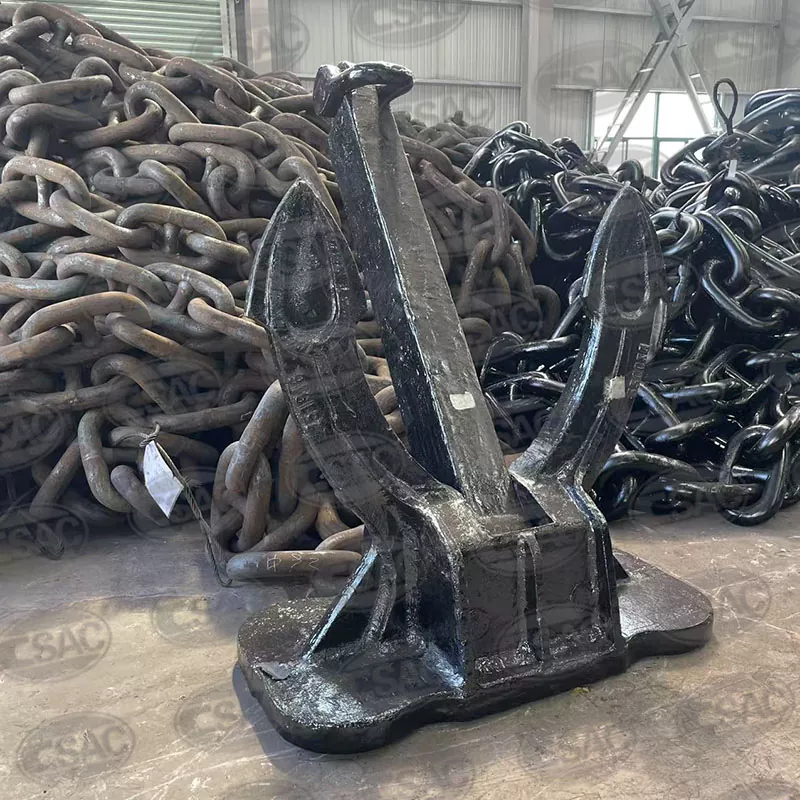
Stud Link Anchor Chains

Contents


Why Do Quality Stud Link Anchor Chains Matter For Real World Marine Operations?

When I sit down with fleet managers or shipowners, their biggest fear is never the purchase price of the chain itself. They worry about dragging anchors close to a busy port, moorings failing during a sudden squall, or classification surveyors grounding a vessel because the chain cannot meet test requirements. All of these issues start with one simple choice: which supplier they trust for their Stud Link Anchor Chains.

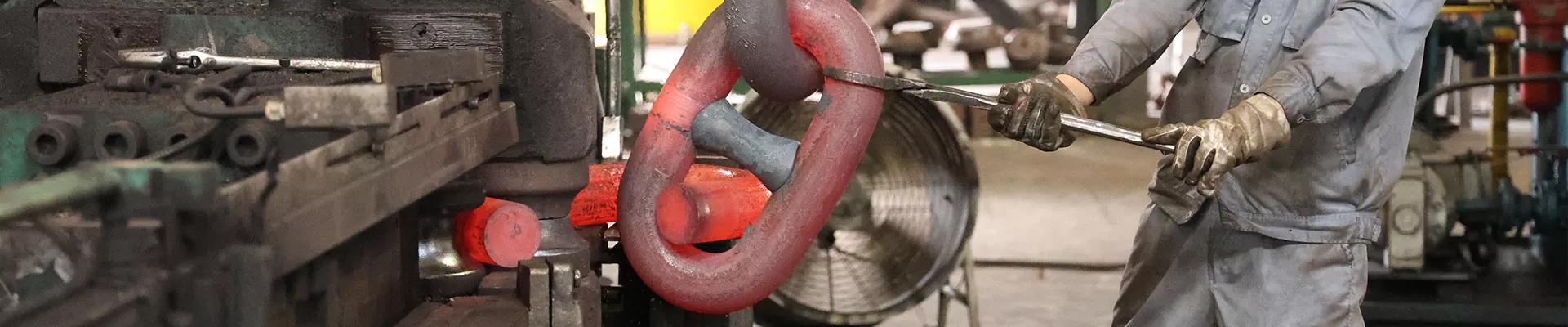
High quality stud link chains are built from marine grade alloy steels, welded and heat treated under strictly controlled conditions, and then proof tested against international standards such as ISO 1704 and the rules of major classification societies (ABS, LR, DNV, BV, CCS and others). A chain that passes these tests is not “over engineered” luxury; it is the minimum level of reliability most modern shipowners expect when human lives and multi million dollar hulls are at stake.

On the flip side, a cheap, poorly controlled chain introduces invisible risks. Micro cracks from bad welding, inconsistent heat treatment, or low grade steel often remain hidden until the line is heavily loaded in bad weather. Failure at that moment does not just mean a broken link; it can lead to lost anchors, hull damage, drifting into traffic lanes, and days of expensive repair and investigation. Once you factor these costs in, paying a little more for chains that are fully certified and traceable looks conservative, not extravagant.

This is why a manufacturer such as Zhongnan, with decades of experience in marine anchor chains and offshore mooring chains and large scale testing capacity, is often shortlisted by shipyards and EPC contractors. A consistent process, audited by international classification societies, gives buyers confidence that each batch of chain behaves exactly as the drawings and certificates promise.


What Should I Know About The Basic Design Of Stud Link Anchor Chains?

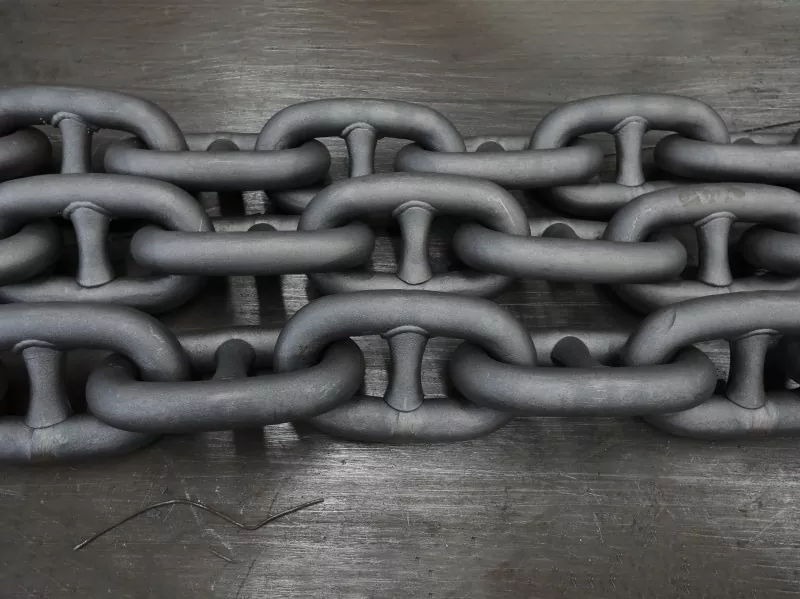
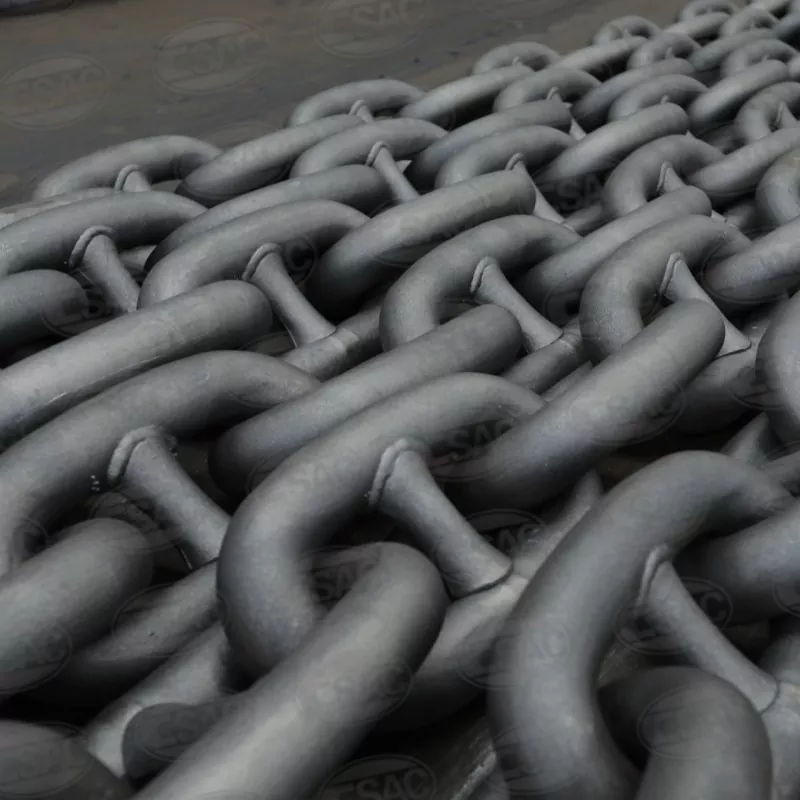
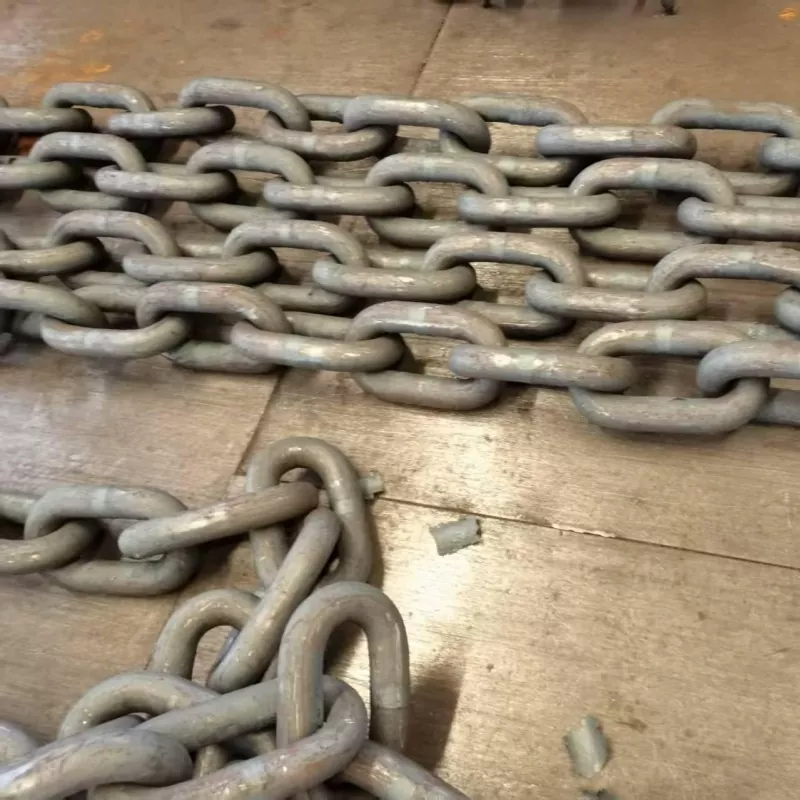
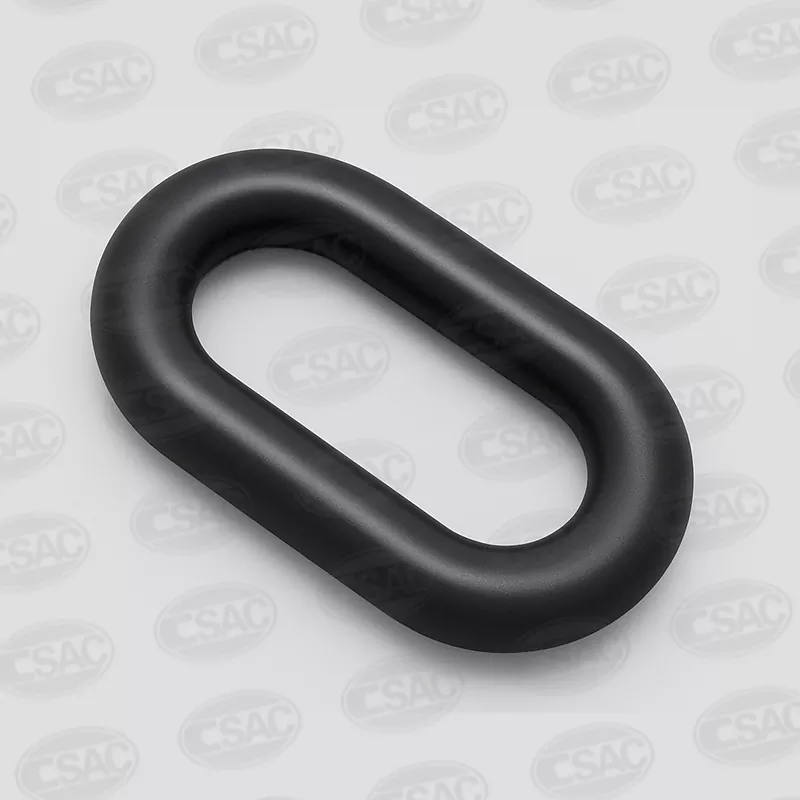
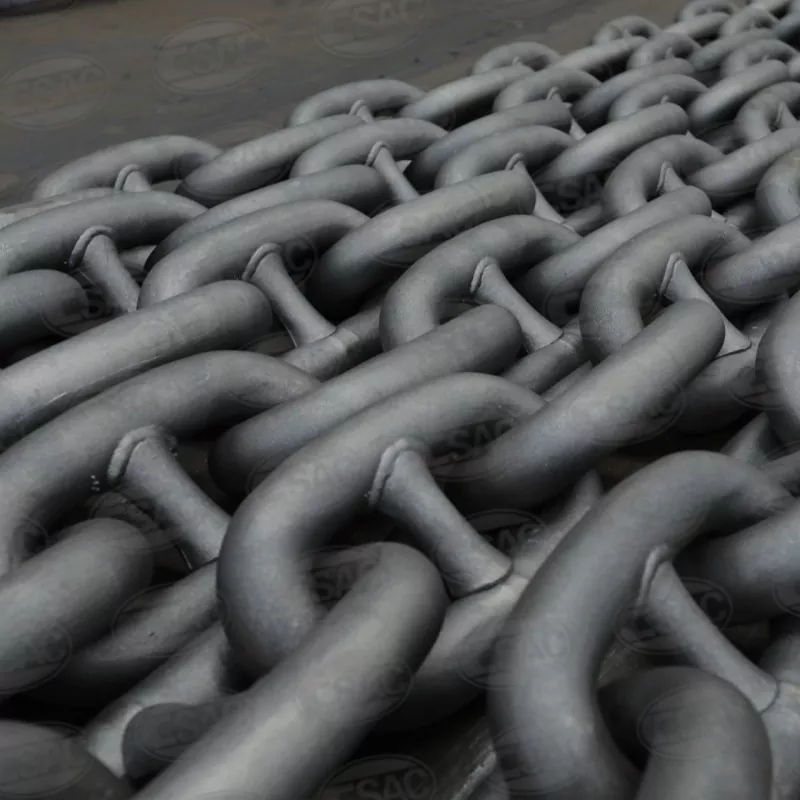
Before I compare suppliers, I always make sure the team around the table fully understands what makes stud link design special. Each link in a stud link chain includes a solid bar (the stud) across the middle. This simple bar dramatically improves the behavior of the chain under load and in the gypsy of the windlass. It keeps the link from deforming into a narrow oval, reduces kinking, and spreads the load more evenly from link to link.

By contrast, studless chains lack this internal bar. They are lighter and more flexible, which is useful for some mooring patterns, but they are not the first choice for primary ship anchoring where high loads and frequent handling through a windlass are expected. In many projects I work on, studless designs are used for certain offshore moorings, while stud link chains remain the anchor line for the main vessel.

Another key design point is the range of diameters and grades. A supplier like Zhongnan typically offers anchor chains from roughly 16 mm up to more than 160 mm in diameter, in Grade 2 and Grade 3 for standard ship applications, and higher strength grades such as R3 and beyond for offshore moorings. Other reputable manufacturers worldwide follow a similar pattern with U2/U3 or Grade 2/3 chains for ships and R3/R4 types for demanding offshore work.

To make the differences clearer, I often build a quick comparison table like the one below for internal discussions. Values will vary by supplier and by standard, but the structure helps everyone around the table see what they are choosing between and why quality matters.

Chain Grade Typical Diameter Range Typical Applications What I Watch Out For
Grade 2 / U2 ~16 mm – 122 mm Merchant vessels, coastal ships, general purpose anchoring Balanced strength and weight, good fatigue resistance, widely accepted by class
Grade 3 / U3 ~20 mm – 162 mm Larger ships, harsher environments, when higher proof and breaking loads are needed Higher strength but still needs strict welding and heat treatment to avoid brittle behavior
R3 / R3S / R4 ~58 mm – 162 mm Offshore mooring lines, FPSOs, platforms and critical deep water systems Very high loads; I insist on full traceability, detailed test reports and reputable mills

When you know which design and grade family you are working with, it becomes much easier to match the chain to your vessel, your mooring layout and the regulatory framework you operate under.


How Do I Choose The Right Size Grade And Material For My Anchor Chain System?

Choosing the “right” chain is never just about picking the biggest or the strongest option in a catalog. I usually begin with three groups of questions: what does the vessel look like, what kind of environment will it face, and what do the rules say.

For vessel data, I look at displacement, length, windage area, and how the ship will actually operate. A coastal cargo vessel with frequent port calls and relatively shallow anchoring depths will not need the same configuration as a deep sea offshore support vessel that may sit on the hook for days in rough weather. Those differences influence both chain diameter and grade.

Environmental conditions come next. Wave height, current, wind patterns, seabed type and water depth all change the dynamic loads on the chain. In soft mud with long scopes, for example, the chain lies across the seabed and friction does a lot of the work. In steeper, rockier anchorages, load cycles can be harsher and higher strength Grade 3 chains become attractive because they offer higher proof and breaking loads for roughly the same diameter as Grade 2 links.

Finally, I look closely at the relevant rules. Classification societies and flag administrations set minimum requirements for anchor chain length, diameter and grade based on vessel type and tonnage. Here it is helpful that manufacturers such as Zhongnan already design and test their Stud Link Anchor Chains against these standards, so the catalogs and drawings clearly show which chains satisfy which class notations.

On top of these fundamentals, I always consider corrosion protection and surface finish. Hot dip galvanizing provides robust long term corrosion resistance, often preferred for chains that will see frequent immersion and drying cycles, while black bituminous coatings can be a cost effective choice for some owners. The best option depends on how often the chain will be inspected, how aggressive the local environment is and whether weight or cost is the limiting factor for the project.


Where Do Stud Link Anchor Chains Outperform Rope Or Studless Chains In Daily Use?

From a distance, every anchoring system looks similar: an anchor, a line and the vessel. The differences become obvious when something unusual happens. In my experience, Stud Link Anchor Chains have three very practical advantages over rope or pure studless chain systems in many real world scenarios.

First, there is predictable handling over the windlass and wildcat. The studs in each link help the chain sit properly in the pockets of the gypsy, reducing skipping and sudden shocks. That leads to smoother operations on the foredeck, less wear on the windlass and fewer instances of the chain jumping under load when the vessel yawns at anchor.

Second, stud link chains offer high weight per meter, which helps create the classic catenary shape that absorbs waves and gusts. Even when the wind picks up, the lower sections of the chain may remain on the seabed, providing a horizontal pull on the anchor and reducing the chance of dragging. Wire rope or synthetic lines can be excellent in carefully engineered moorings, but they do not naturally create the same heavy catenary without additional hardware or sinkers.

Third, stud link chains are forgiving in mixed fleets and older infrastructure. Many ports, anchor windlasses and chain stoppers were designed with stud link geometry in mind. When I work with owners operating in regions with mixed facilities and limited support, stud link solutions often integrate more easily than alternative systems that require custom drums, special connectors or very specific handling procedures.

Studless chains still have their place, especially in weight sensitive offshore mooring patterns where flexibility matters more than compatibility with traditional windlasses. The point is not that one design is “better” in every case, but that understanding the strengths of stud link chains makes it easier to design a robust, low drama anchoring system.


How Can I Evaluate A Supplier Like Zhongnan Before Placing An Order?

Stud Link Anchor Chains

Once I know the technical requirements, the most important decision is the supplier. A reputable chain manufacturer does more than simply weld steel links. They manage raw materials, heat treatment, testing, certification and documentation in a way that gives you confidence for the next twenty years.

With a company like Zhongnan, I start by looking at the basics: years in operation, production capacity and focus. As a specialist in marine anchor chains and offshore mooring chains with decades of experience and an annual capacity measured in tens of thousands of tons, they clearly treat anchor chains as their core business rather than a side product. That level of focus usually translates into better process control and more stable quality over time.

Next, I examine certifications and standards. I want to see that the factory is working to ISO and GB standards for anchor chains and that its products are approved by the major classification societies relevant to my fleet. I also look for full scale proof and breaking load test facilities, along with welding procedure qualifications and robust inspection records. If a supplier cannot show real test data or traceable heat numbers for their chains, I treat that as a red flag.

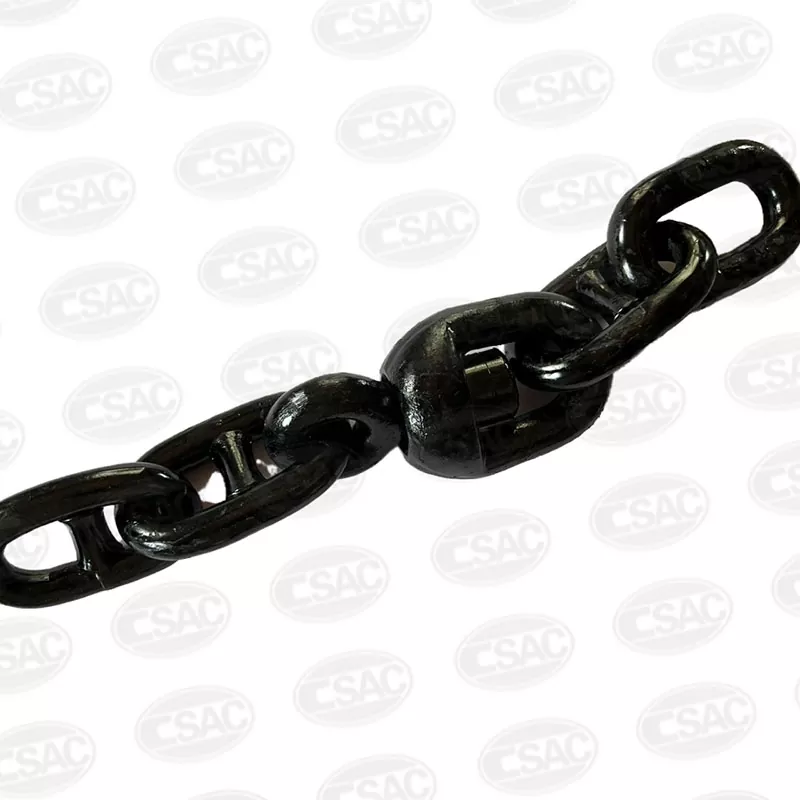
I then evaluate engineering support and customization options. A good manufacturer can help adjust chain length per shot, connecting accessories such as shackles and swivels, and surface treatments to fit the project. They can also advise when a higher strength grade makes sense or when a more conservative Grade 2 chain is the better choice given how the vessel will actually operate.

Finally, I pay attention to responsiveness and communication. When I send drawings or specifications, I expect detailed feedback, not just a price and delivery date. The way a supplier answers technical questions before an order often reflects how they will support you if something unexpected happens years later.


What Best Practices Help Me Extend The Service Life Of My Stud Link Anchor Chains?

Even the best chain can be abused into early retirement. When I help clients build maintenance plans, I focus on a few disciplined habits that dramatically extend chain life and reduce unpleasant surprises during surveys.

  • Thorough pre deployment inspection – Before a new length of chain ever sees the water, I check welds, link geometry, surface finish, markings and certificates against the delivery documents. Catching issues at the start avoids arguments and risk later.
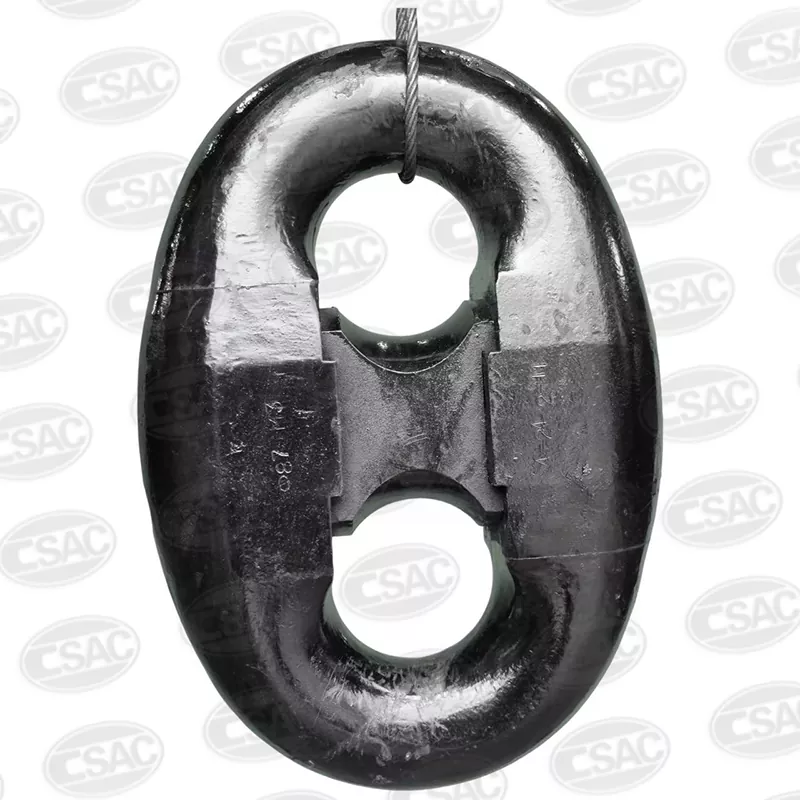
  • Correct installation and handling – During installation, I make sure the chain is properly reeved through the windlass and stoppers, with correct orientation of kenter shackles and accessories. Misaligned components create stress concentrations and abnormal wear.
  • Regular visual checks – At defined intervals, especially after heavy weather, I inspect links for corrosion, deformation, cracks around welds and thinning at contact surfaces. Any unusual wear pattern is a signal that something in the system deserves attention.
  • End for end rotation – When possible, I arrange to turn the chain end for end so that different sections see the highest cyclic loads over time, spreading wear and delaying the need for replacement.
  • Clean and dry chain lockers – Standing water, aggressive mud and poor drainage in the chain locker quietly accelerate corrosion. Simple housekeeping in that space often gives years of extra life for the same steel.

When these habits are paired with high quality Stud Link Anchor Chains, the result is a calmer life for the crew, fewer headaches during class surveys and a much more predictable replacement cycle that can be built into long term budgets instead of emergency repairs.


How Can A Cost Of Ownership View Help Me Justify Upgrading My Chains?

From a purely purchasing perspective, cheaper chains always look attractive. But when I build a simple cost of ownership model with clients, they quickly see why high quality chains from established suppliers are usually the smarter financial choice.

Imagine two sets of chains. One is lower cost, with limited certification and unknown steel sources. The other is fully certified from a manufacturer like Zhongnan, with proven weld procedures, classification approvals and long track record in similar vessels. If the first chain needs to be replaced several years earlier because of corrosion or fatigue, or if it causes a single instance of serious downtime or damage, the apparent savings disappear instantly.

I often convert this into clear numbers: purchase cost per meter divided by expected useful years in service, plus estimated costs of inspections, maintenance and potential downtime. When owners see that a slightly more expensive chain with a longer, more predictable life actually has a lower annual cost, the decision to upgrade becomes much easier to defend internally.

Beyond the spreadsheet, there is also the question of reputation and peace of mind. Operators who have already invested in modern hulls, electronics and safety equipment do not want to compromise the whole system with an unreliable anchoring line. In that context, specifying premium Stud Link Anchor Chains looks like a natural extension of the company’s broader commitment to safety and reliability.


Which Common Questions Do Buyers Ask About Stud Link Anchor Chains?

Q1. What is the main difference between stud link and studless anchor chains?

A stud link chain has a solid bar across the center of each link, which helps the chain keep its shape, reduces kinking and improves how it runs over the windlass, while studless chains have no internal bar, making them lighter and more flexible but usually less stable in traditional ship windlasses and less resistant to deformation under high loads.

Q2. Which standards and certificates should quality stud link anchor chains meet?

For most commercial and offshore applications, I look for compliance with ISO anchor chain standards and approval from at least one major classification society such as ABS, LR, DNV, BV or CCS, supported by proof load and breaking load test reports and clear markings on the chain that link each length to its certificates and heat numbers.

Q3. How long can stud link anchor chains normally stay in service?

The real service life depends on vessel type, environment, maintenance and how often the chain is heavily loaded, but with good materials, proper coatings and regular inspection, many owners plan for well over a decade of use for primary ship chains, with individual links or sections renewed as required by class surveyors.

Q4. Can I mix chains or accessories from different suppliers in one system?

It is technically possible, but I only mix components when all of them meet the same standards and class approvals and when the supplier or a competent engineer confirms the compatibility of link dimensions, proof loads and connection geometry, because one weak or mismatched component can undermine the strength of the entire chain line.

Q5. How do I know when a stud link anchor chain should be replaced?

Beyond class survey rules, I watch for loss of diameter due to wear or corrosion beyond allowable limits, visible cracks or severe pitting around welds and bearing surfaces, elongation of links, repeated failures in NDT testing, and any damage after extreme events; when several of these signs appear, replacement becomes the safer and more economical option than repeated patch repairs.

Q6. What information should I prepare before I contact Zhongnan or another supplier for a quotation?

I normally collect vessel type and tonnage, required chain grade and diameter if already defined by class rules, total length and configuration of each line or shot, preferred coatings, expected operating environment, classification societies involved and any special requirements for anchor chain accessories, so that the supplier can respond with an accurate, technically sound proposal instead of a generic price list.

Q7. Are galvanised stud link anchor chains always better than black painted ones?

Hot dip galvanizing offers very strong corrosion protection and is ideal for aggressive marine environments or long service intervals, but it also adds cost and a little weight, while black bituminous coatings can be sufficient for some operating profiles where inspections are frequent, conditions are milder or budgets are tight, so I make the choice based on the vessel’s real operating pattern and maintenance strategy rather than a single rule for every project.

Q8. Can stud link anchor chains be used for permanent moorings as well as ship anchors?

Yes, many offshore projects use stud link chains in permanent or semi permanent mooring lines because of their high strength and predictable behavior, but the design must be engineered carefully to match line tension, water depth, environmental forces and connector hardware, and I always involve both the chain manufacturer and a mooring specialist when moving beyond standard ship anchoring layouts.

Stud Link Anchor Chains


Conclusion

If you have read this far, you already know that choosing anchor chains is not just a catalog exercise. You are balancing safety, regulations, operational reality and long term cost, and the quality of your Stud Link Anchor Chains sits right at the center of that decision. Working with a focused manufacturer like Zhongnan, which combines long experience, modern production and rigorous testing, gives you a strong foundation to build on.

Whether you are planning a newbuild, upgrading an older vessel or re engineering offshore moorings, I strongly recommend turning this information into a concrete conversation with a technical team. Share your vessel data, your environmental conditions and your class requirements, and ask for detailed proposals rather than simple prices per meter. If you are ready to move from uncertainty to a clear, long term solution, do not hesitate to contact us, send your drawings and request a tailored quotation or technical consultation today. The right chains will not just hold your anchor; they will support the safety and reliability of your whole operation for many years to come.

Related News
Leave me a message
X
We use cookies to offer you a better browsing experience, analyze site traffic and personalize content. By using this site, you agree to our use of cookies. Privacy Policy
Reject Accept