Follow Us:

News

How to Choose Studless Anchor Chains?

2026-02-09 0 Leave me a message

Article Abstract

Studless anchor chains play a critical role in maritime anchoring systems, especially for commercial vessels, offshore platforms, and mooring applications where flexibility, strength, and reliability are essential. Selecting the wrong chain type can lead to premature wear, operational downtime, or even safety risks. This article provides a structured and practical guide to understanding studless anchor chains, their technical characteristics, application scenarios, material standards, and key selection criteria. By addressing common customer pain points and decision-making challenges, this guide helps buyers make informed and confident purchasing decisions.

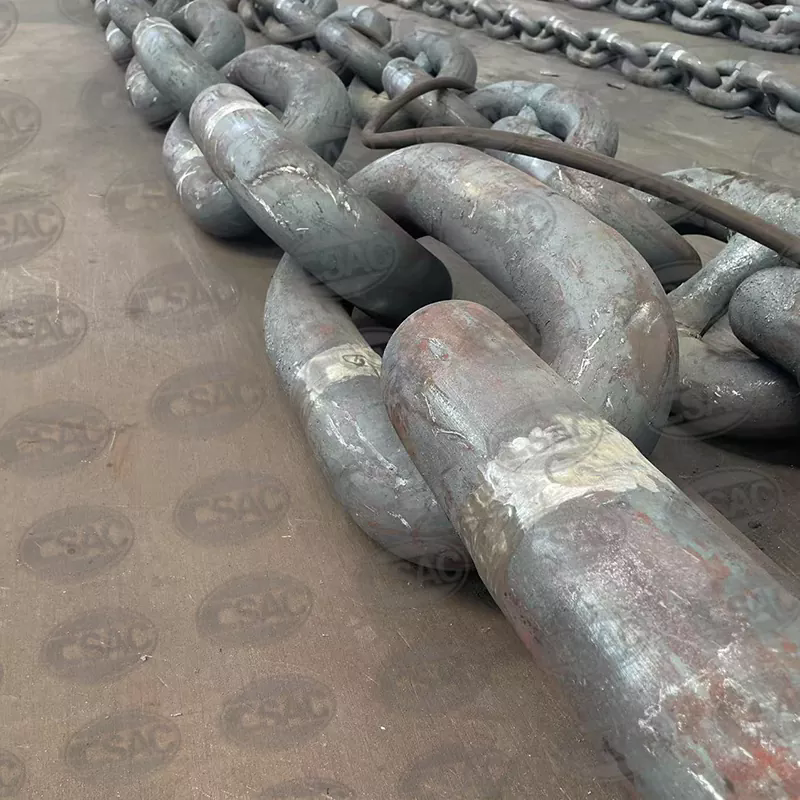
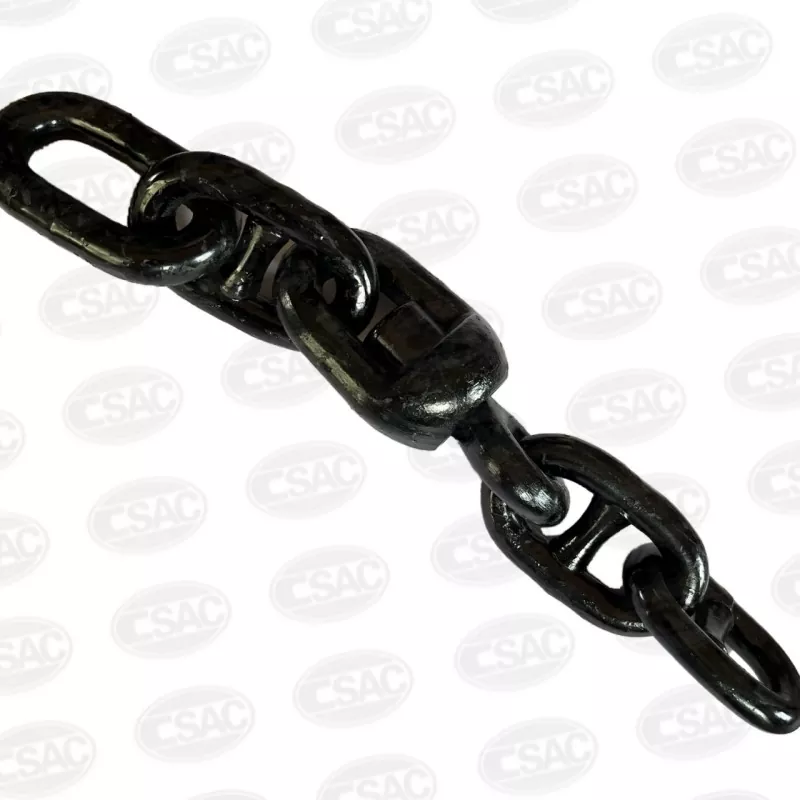
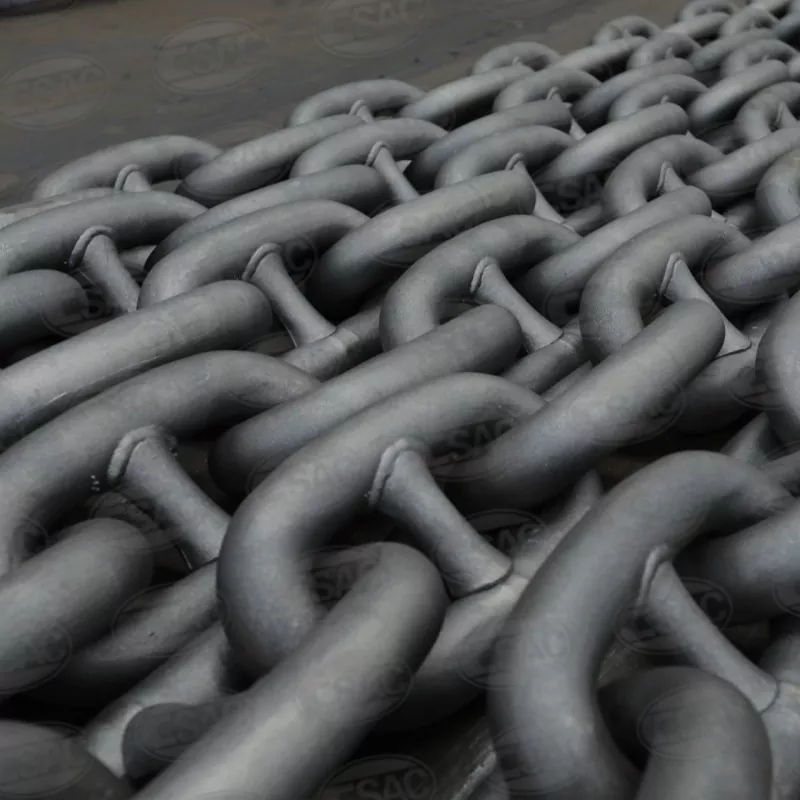
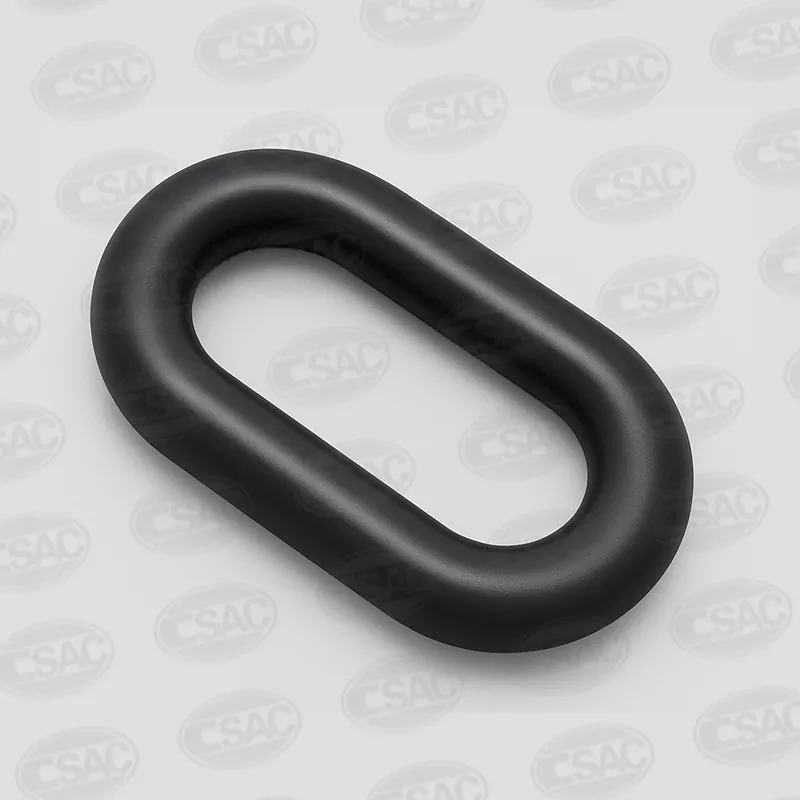
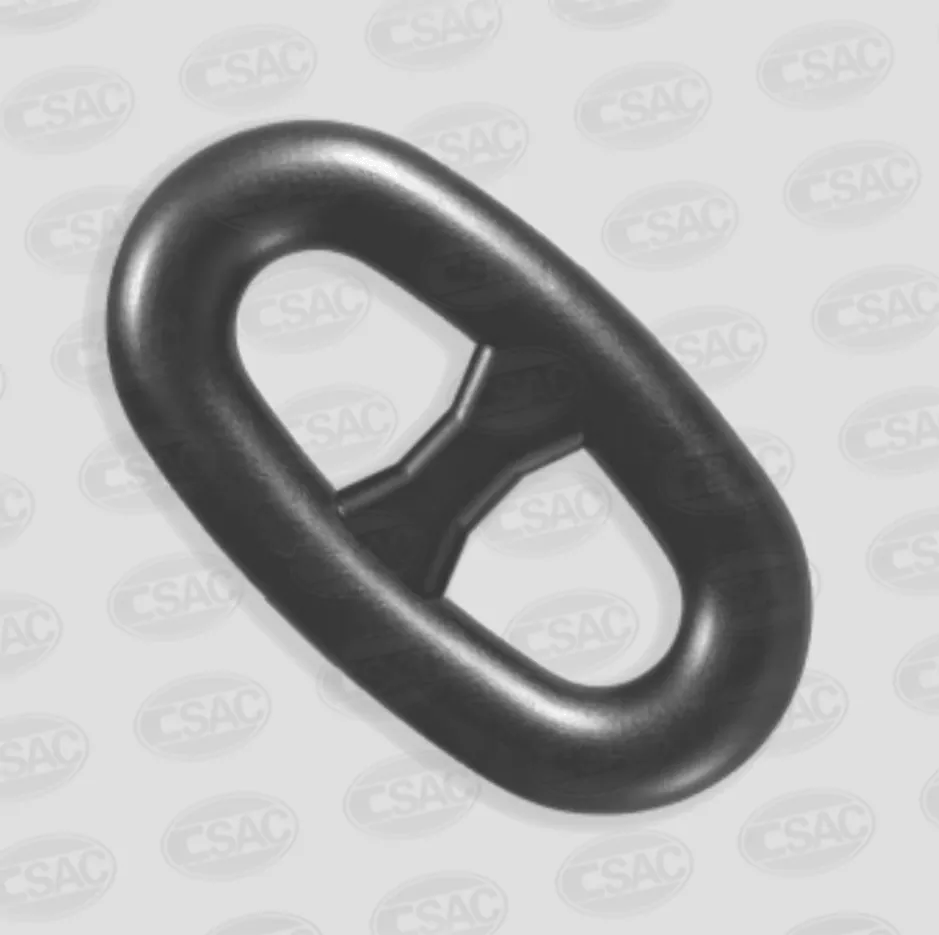
Grade 3 Studless Anchor Chain

Table of Contents


Content Outline

  • Definition and structural characteristics of studless anchor chains
  • Customer pain points in marine anchoring systems
  • Performance advantages and limitations
  • Material grades and international standards
  • Selection criteria for different marine environments
  • Maintenance, inspection, and lifecycle cost control

What Are Studless Anchor Chains

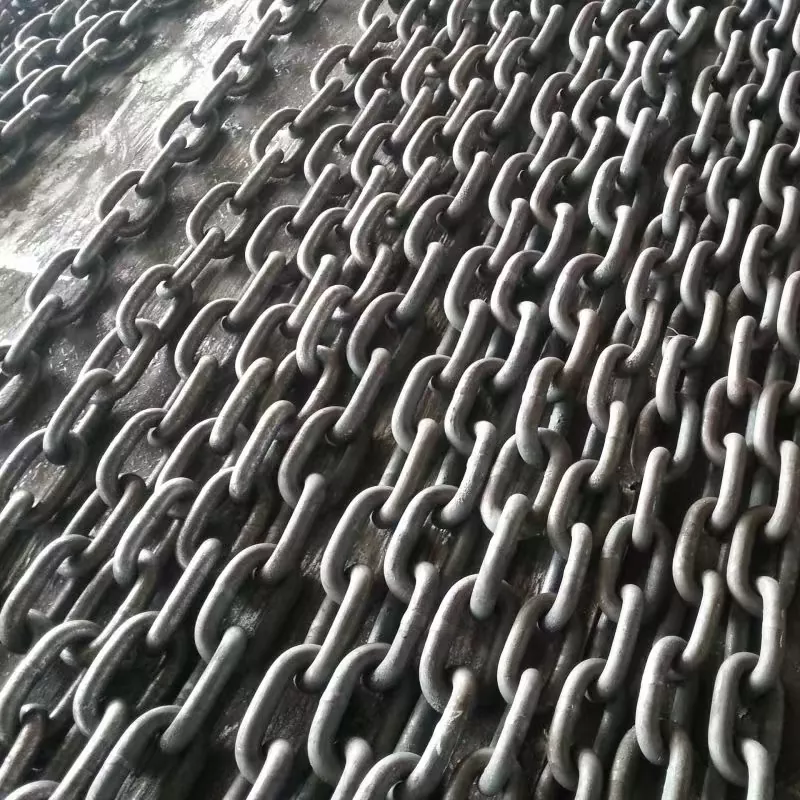
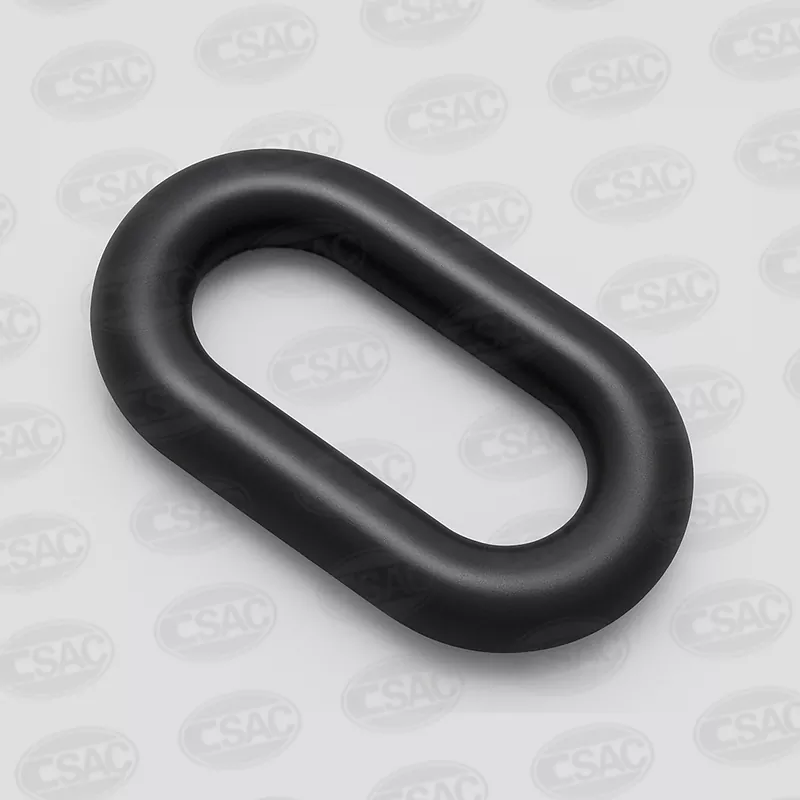
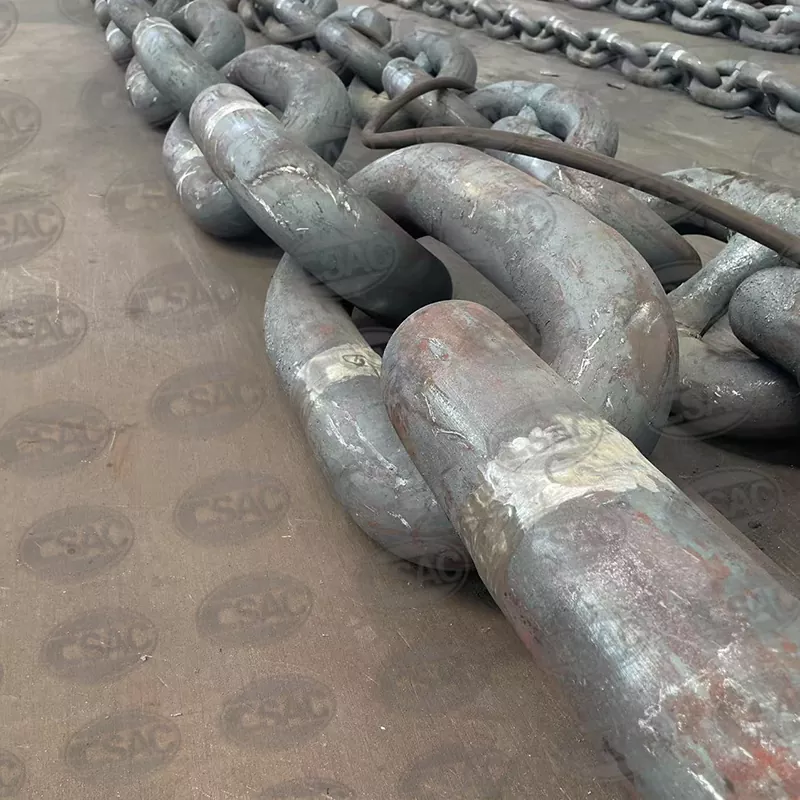
Studless anchor chains are anchor chains manufactured without internal studs (crossbars) inside each chain link. Unlike stud link chains, which use studs to limit deformation, studless chains rely on optimized link geometry and high-grade steel to achieve strength and durability.

This structural design allows studless anchor chains to offer improved flexibility and reduced weight, making them suitable for dynamic marine environments such as offshore mooring systems, floating platforms, and vessels operating in deep or harsh waters.


Key Advantages of Studless Anchor Chains

Understanding the advantages of studless anchor chains helps buyers determine whether they align with specific operational requirements.

  • Higher Flexibility: The absence of studs allows smoother articulation, reducing stress concentration during dynamic loading.
  • Lower Weight: Reduced steel volume contributes to easier handling and lower transportation costs.
  • Improved Fatigue Resistance: Optimized link geometry minimizes internal stress under cyclic loads.
  • Compatibility with Modern Windlasses: Well-suited for offshore and mooring systems requiring compact storage.

Typical Application Scenarios

Studless anchor chains are widely adopted across various marine and offshore industries where performance under complex loading conditions is critical.

  • Offshore oil and gas platforms
  • Floating production storage and offloading units
  • Permanent and semi-permanent mooring systems
  • Deep-sea vessels and oceanographic research ships
  • Marine renewable energy installations

Materials and Manufacturing Standards

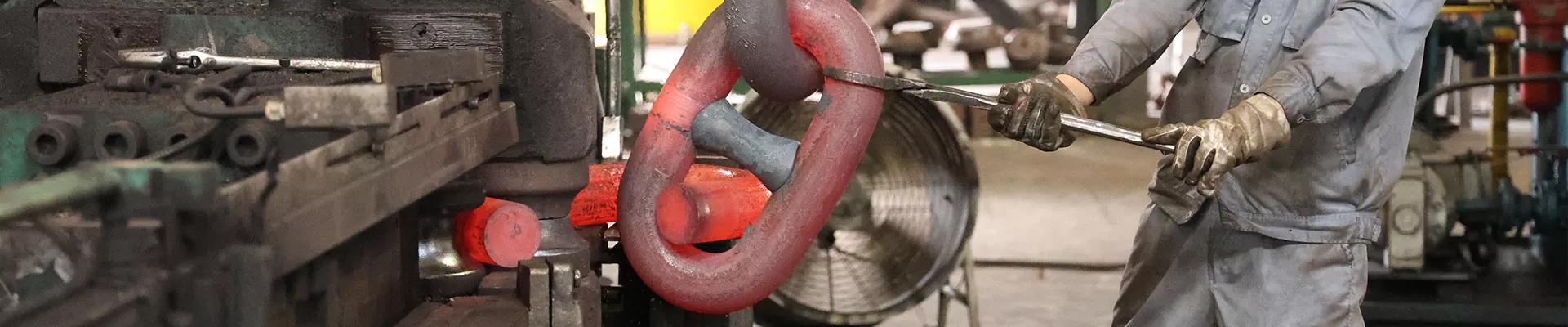
Material selection directly impacts the strength, corrosion resistance, and service life of studless anchor chains. Most high-quality studless chains are produced from alloy steel with controlled chemical composition and heat treatment processes.

Grade Yield Strength Typical Application
R3 Moderate General offshore mooring
R4 High Deepwater and harsh environments
R5 Very High Ultra-deepwater offshore systems

Manufacturing typically follows recognized international standards to ensure dimensional accuracy, mechanical performance, and traceability throughout the supply chain.


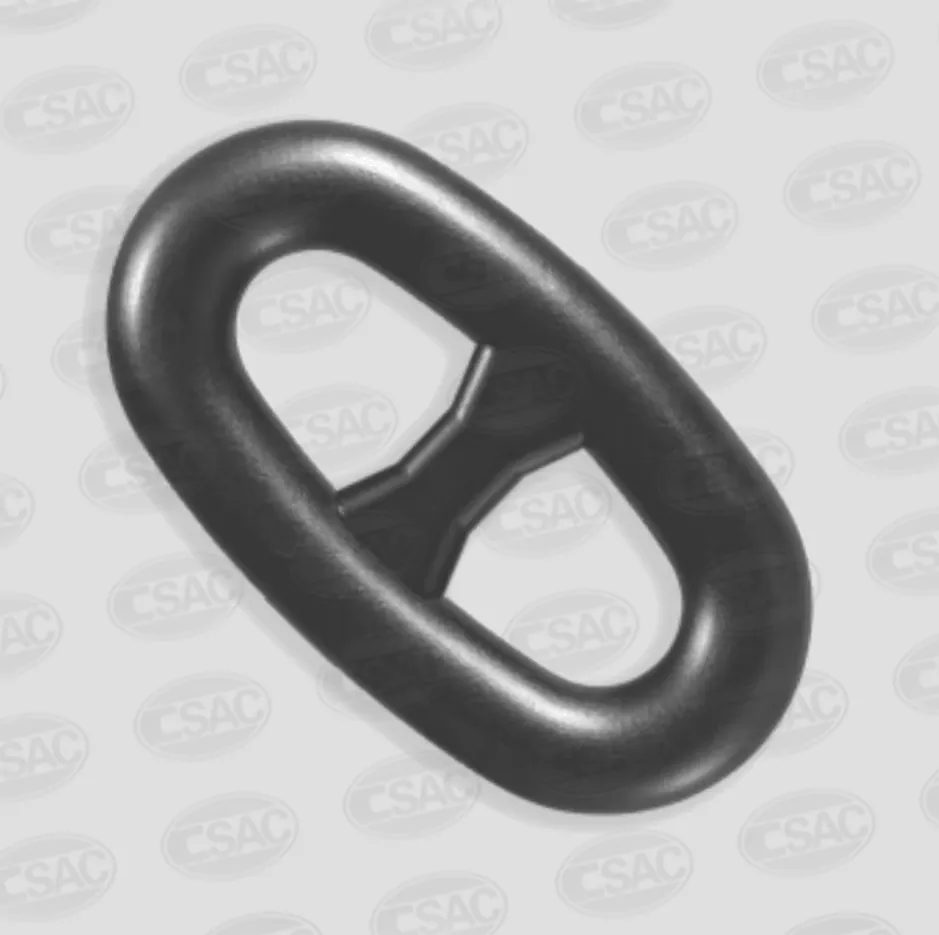
Studless vs. Stud Link Anchor Chains

Selecting between studless and stud link anchor chains often raises questions among buyers. The following comparison highlights practical differences.

Aspect Studless Anchor Chains Stud Link Anchor Chains
Flexibility High Moderate
Weight Lighter Heavier
Fatigue Performance Excellent Good
Typical Use Offshore mooring Traditional ship anchoring

How to Select the Right Studless Anchor Chain

Choosing the appropriate studless anchor chain requires a systematic evaluation of operational conditions and technical requirements.

  • Load Requirements: Assess maximum working load and safety margins.
  • Water Depth: Deeper installations demand higher-grade materials.
  • Environmental Conditions: Consider corrosion, temperature, and seabed interaction.
  • Compatibility: Ensure compatibility with windlasses, fairleads, and connectors.
  • Certification: Verify inspection, testing, and documentation availability.

Service Life and Maintenance Considerations

Studless anchor chains are designed for long-term use, but regular inspection remains essential. Visual checks, diameter measurements, and non-destructive testing help identify wear, corrosion, or fatigue cracks before failures occur.

A structured maintenance plan reduces lifecycle costs and improves system reliability, particularly for permanent offshore installations.


Frequently Asked Questions

Q1: Are studless anchor chains suitable for traditional vessels?
Studless anchor chains are primarily designed for offshore and mooring systems, but they can be used on vessels where flexibility and weight reduction are prioritized.

Q2: Do studless anchor chains require more maintenance?
Maintenance requirements are comparable to stud link chains, provided proper inspection intervals are followed.

Q3: How is quality verified before delivery?
Quality is ensured through mechanical testing, dimensional checks, and certification according to applicable standards.


Conclusion and Supplier Recommendation

Studless anchor chains offer a reliable and efficient solution for modern marine and offshore anchoring systems, especially where flexibility, fatigue resistance, and weight optimization are critical. Understanding material grades, application scenarios, and selection criteria enables buyers to minimize risk and optimize long-term performance.

As an experienced manufacturer in the anchor chain industry, Zhoushan Zhongnan Anchor Chain Co., Ltd provides a comprehensive range of studless anchor chains designed to meet demanding marine conditions. For tailored solutions, technical support, and competitive quotations, contact us to discuss your project requirements and anchoring challenges.

Related News
Leave me a message
X
We use cookies to offer you a better browsing experience, analyze site traffic and personalize content. By using this site, you agree to our use of cookies. Privacy Policy
Reject Accept