Follow Us:

News

What Safety Considerations Should be Taken into Account When Using Anchors?

2025-09-26 0 Leave me a message

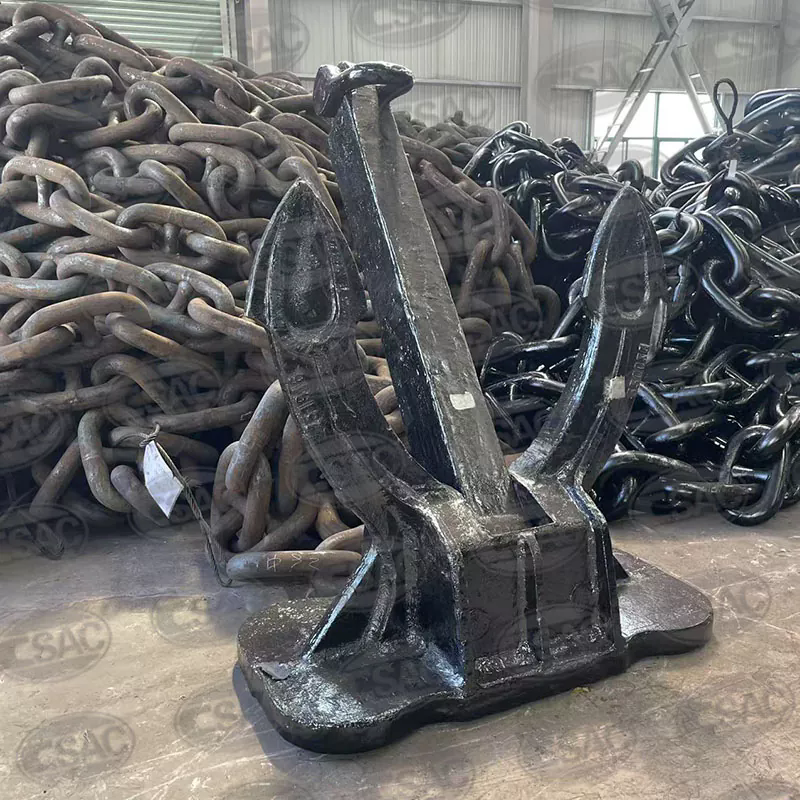
Anchors are critical components in marine and industrial applications. Proper use and safety measures ensure that our operations remain secure and efficient. At Zhoushan Zhongnan Anchor Chain Co., Ltd., our factory manufactures high-quality Anchor products designed to withstand challenging conditions. CSAC certified anchors offer reliability and durability for a wide range of vessels and industrial setups. Understanding the safety considerations when using anchors helps prevent accidents, equipment damage, and operational delays.


Spek Anchor


Anchor Types and Their Specifications

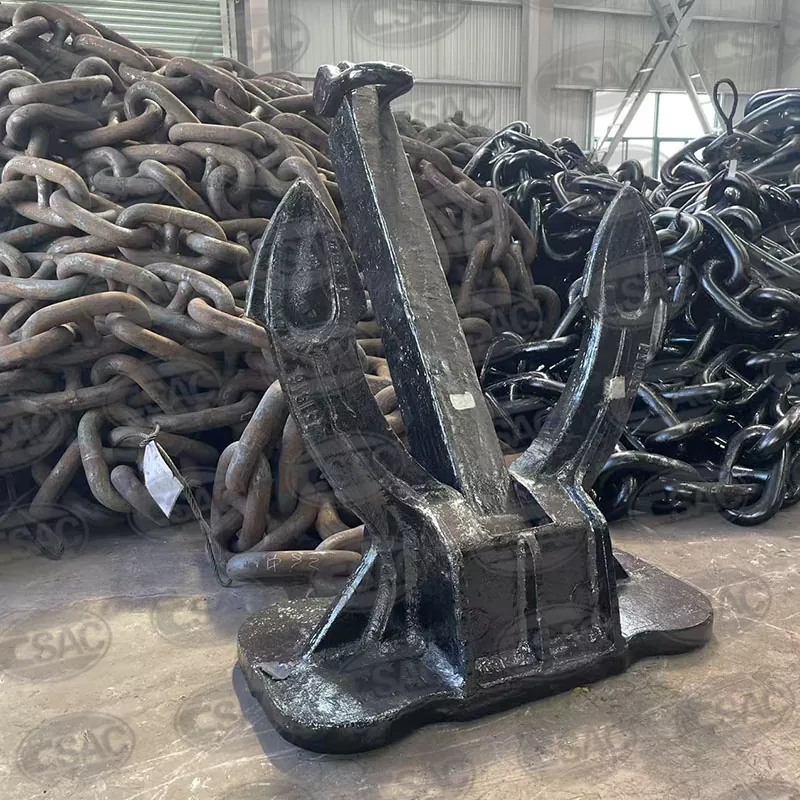
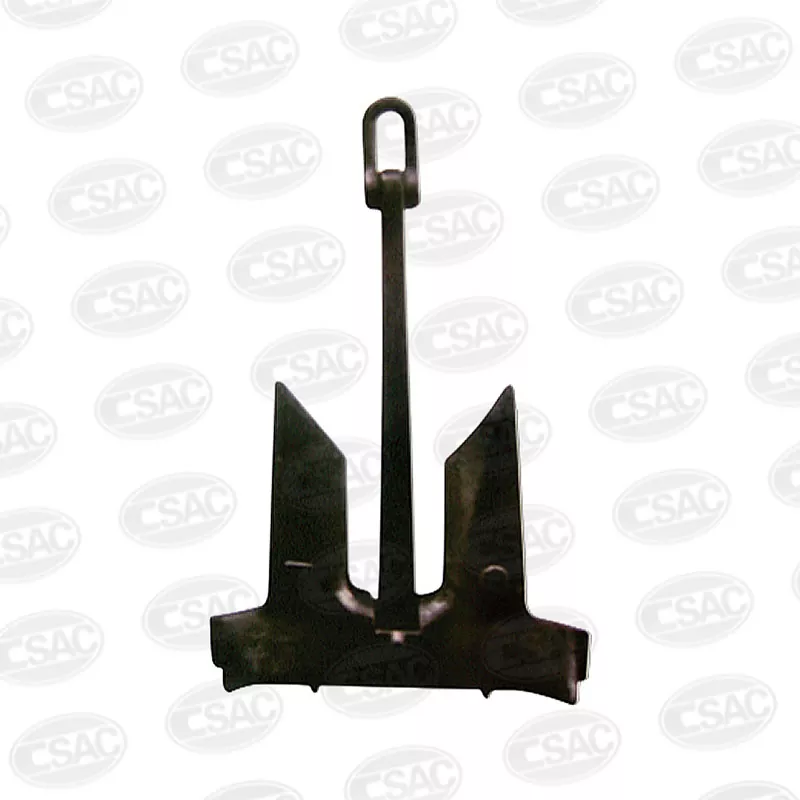
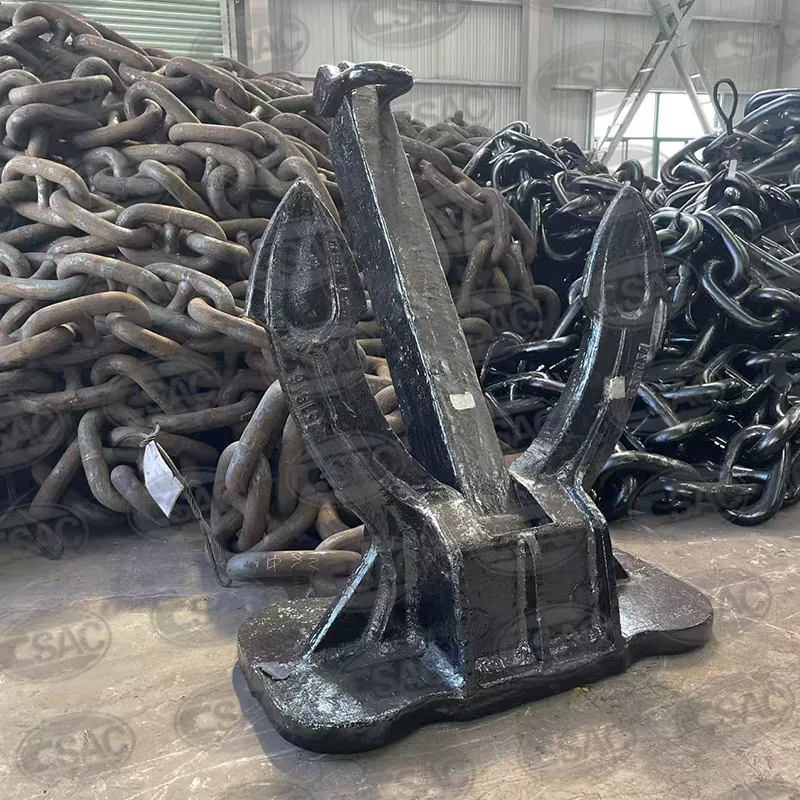
Anchors come in various types, including stockless, plow, fluke, and specialty anchors. Each type has unique characteristics suitable for different seabed conditions and load requirements. Our factory produces anchors that meet international standards and provide excellent holding power. CSAC quality certification ensures that our products meet rigorous mechanical and material requirements. Below is a table summarizing typical parameters of our anchors for reference.


Anchor Type Stockless, Fluke, Plow, Specialty
Material High-tensile steel, corrosion-resistant alloy
Weight Range 10kg to 5000kg depending on vessel size
Surface Treatment Hot-dip galvanized, painted, stainless coating
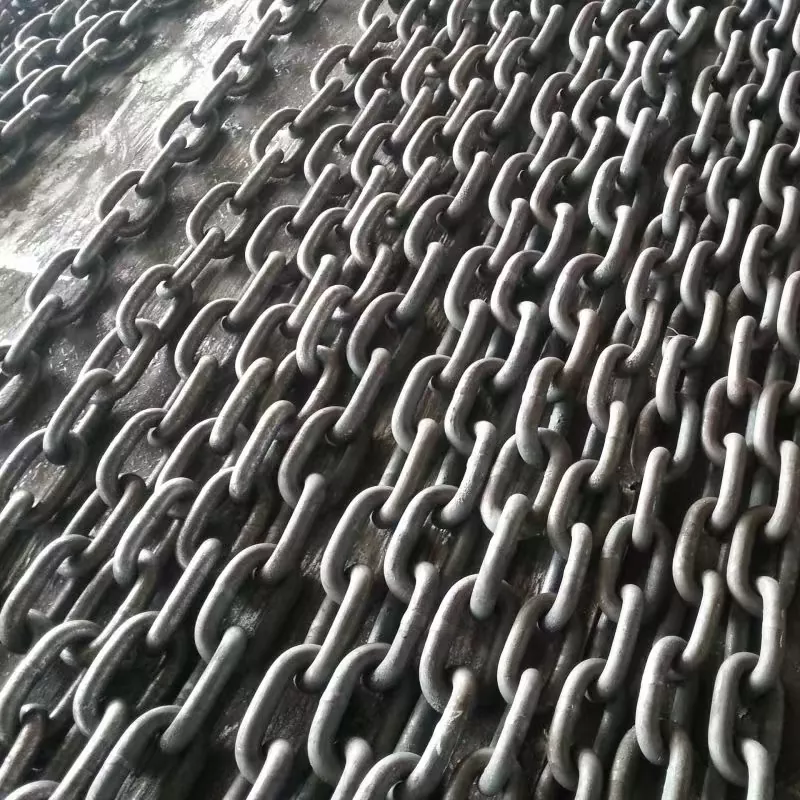
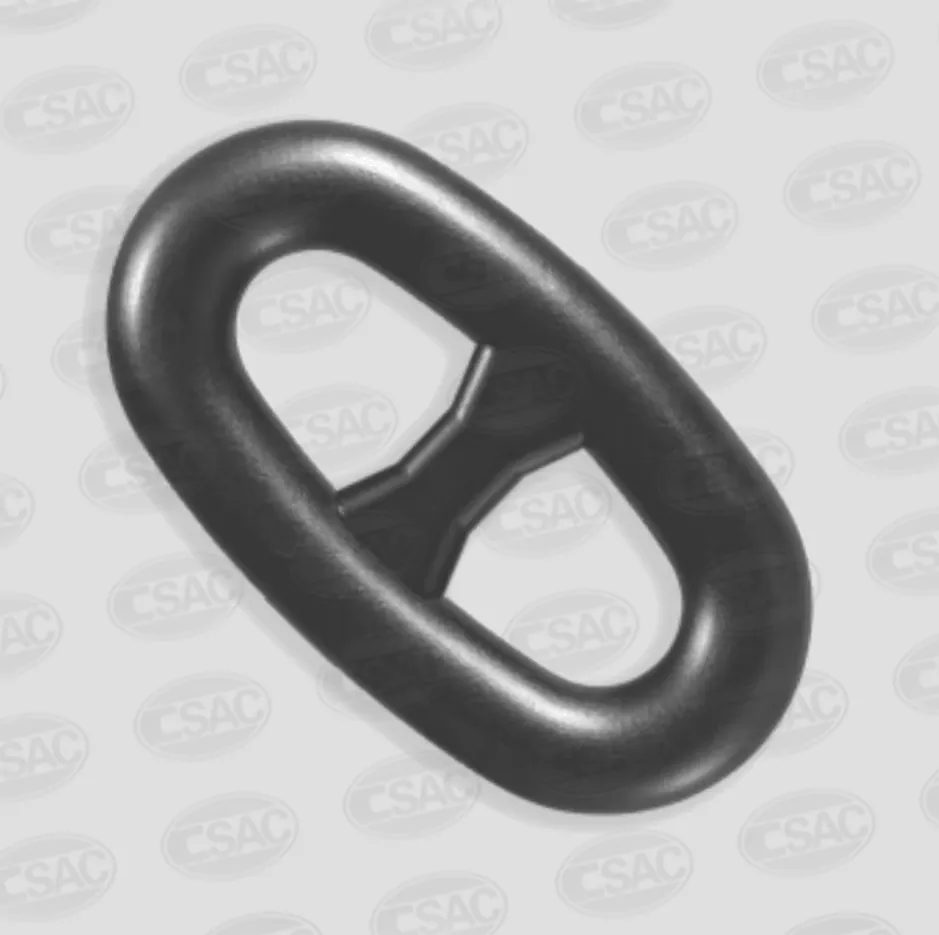
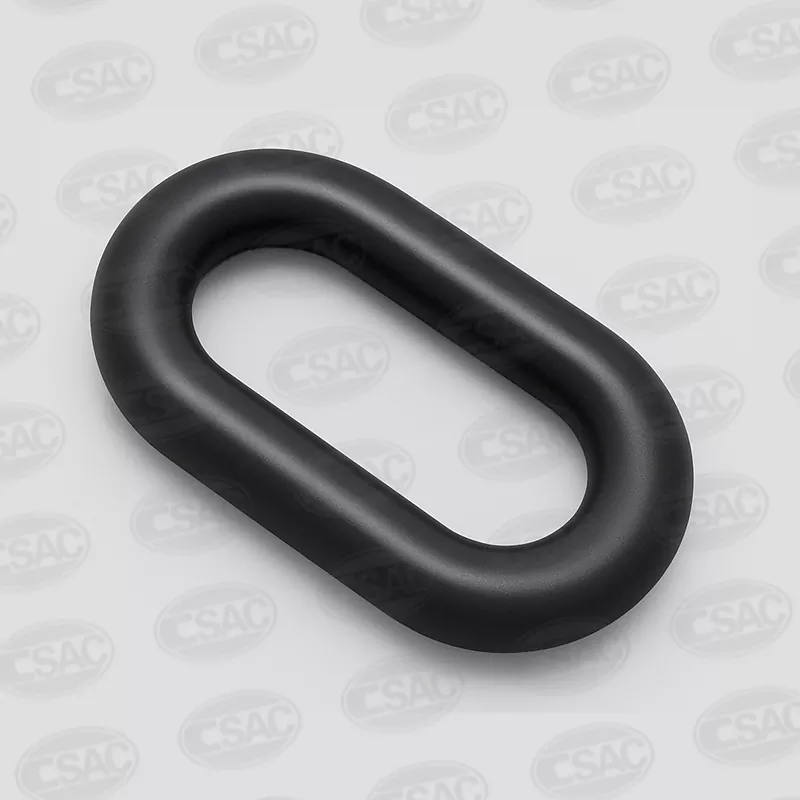
Recommended Chain Size 10mm to 120mm diameter, matched to anchor type
Working Load Calculated according to vessel displacement and safety factor


Key Safety Considerations

Using anchors safely requires attention to installation, deployment, and maintenance. Our factory emphasizes proper training for personnel handling anchors. Before deployment, our team always inspects the anchor for structural integrity and any signs of corrosion. CSAC certified anchors are tested for load-bearing capacity, ensuring reliability during anchoring operations. Proper communication among crew members during deployment is crucial to prevent accidents. We recommend always checking seabed conditions and adjusting anchor weight and chain length accordingly. Regular inspection and maintenance prolong the life of the anchor and reduce the risk of failure.


Installation and Deployment Guidelines

When using an anchor, understanding the correct deployment method is essential. Our team at Zhoushan Zhongnan Anchor Chain Co., Ltd. follows strict protocols for lowering and retrieving anchors. The chain should be fed steadily from the winch to prevent sudden shocks that may damage the anchor or chain. CSAC anchors are designed for smooth handling and optimal holding power. Our factory recommends ensuring that the anchor is seated correctly on the seabed before leaving the vessel stationary. Using a chain stopper and monitoring tension reduces the risk of drifting or anchor drag.


Maintenance and Inspection Practices

Regular maintenance is essential for safe anchor operations. Our factory schedules inspections for weld integrity, corrosion, and wear on both the anchor and chain. Cleaning anchors after use in saltwater environments prevents long-term damage. CSAC quality anchors are engineered to minimize maintenance needs, but our team always verifies the condition before each deployment. Lubricating moving parts and checking connecting links enhances operational safety. Documentation of maintenance and inspections helps ensure compliance with safety regulations and supports operational reliability.


FAQs on What safety considerations should be taken into account when using anchors?

Q1: What safety measures should be taken when deploying an anchor?

A1: Our factory recommends inspecting the anchor and chain before deployment, verifying the seabed type, ensuring proper communication among crew, and feeding the chain steadily to prevent sudden load shocks. Using CSAC certified anchors provides reliable holding power and reduces risk of accidents during operation.

Q2: How often should anchors be inspected for safety?

A2: We inspect our anchors and chains regularly, ideally before and after every deployment. Checking for wear, corrosion, and structural integrity ensures that the anchor maintains its holding capacity. Our factory also documents each inspection to maintain safety compliance.

Q3: What precautions should be taken when retrieving an anchor?

A3: Our factory advises using controlled winching to avoid sudden chain tension, monitoring the anchor’s movement to prevent swinging, and verifying that the anchor is clear of obstructions. CSAC anchors are designed for smooth retrieval, but careful handling by trained personnel is essential to prevent damage or injury.


Conclusion

Understanding what safety considerations should be taken into account when using anchors is crucial for operational security and reliability. Our factory at Zhoushan Zhongnan Anchor Chain Co., Ltd. manufactures high-quality CSAC certified anchors that meet strict standards. By following deployment, maintenance, and inspection protocols, we ensure that our anchors provide optimal performance and safety. Our team emphasizes proper handling, regular inspections, and adherence to best practices, making our anchors a dependable choice for both marine and industrial applications.

Related News
Leave me a message
X
We use cookies to offer you a better browsing experience, analyze site traffic and personalize content. By using this site, you agree to our use of cookies. Privacy Policy
Reject Accept