Follow Us:

News

Could a Studless Offshore Mooring Chain be the quiet upgrade your mooring system has been waiting for?

2025-12-09 0 Leave me a message

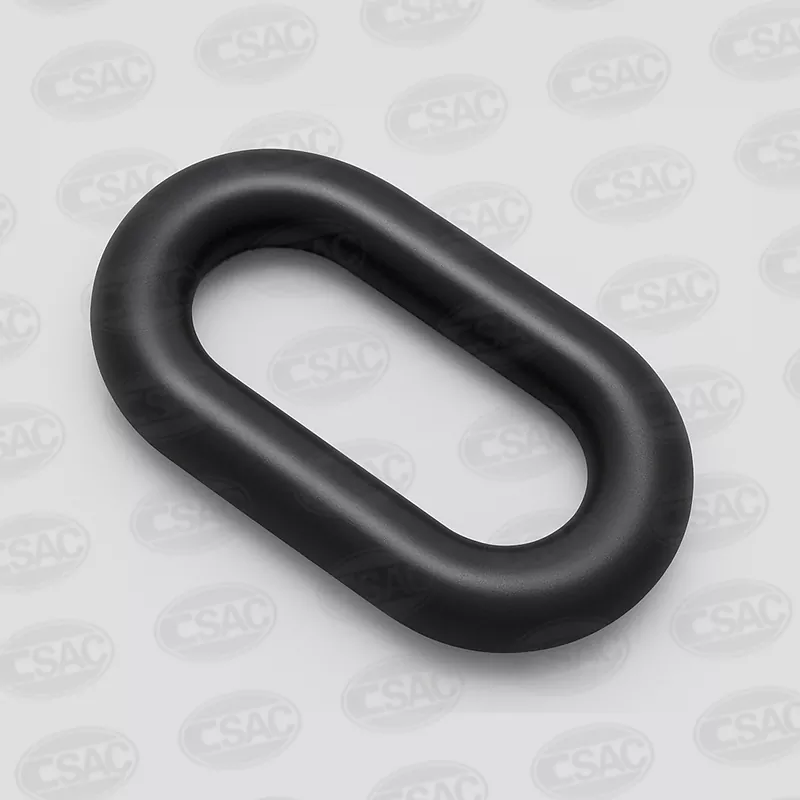
I spend a lot of time balancing risk, cost, and uptime for floating assets, and I’ve learned that the right chain does more than hold position—it buys predictability. In recent projects, working with established manufacturers such as Zhoushan Zhongnan reminded me how small geometry choices and process controls translate into fewer headaches offshore. When I evaluate a Studless Offshore Mooring Chain, I look beyond datasheets to how it behaves under real sea states, real handling, and real inspection cycles.

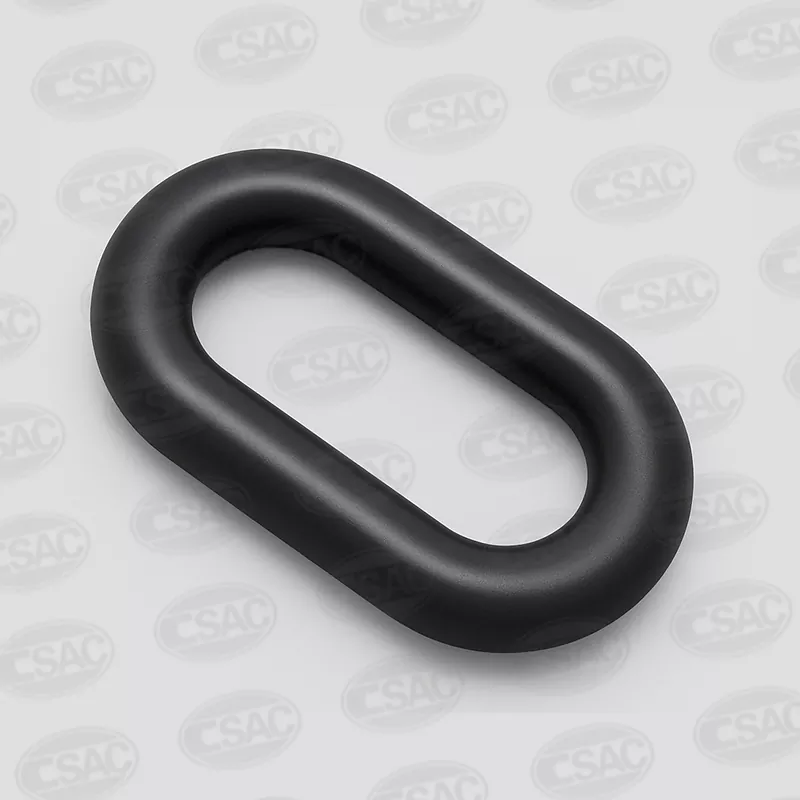
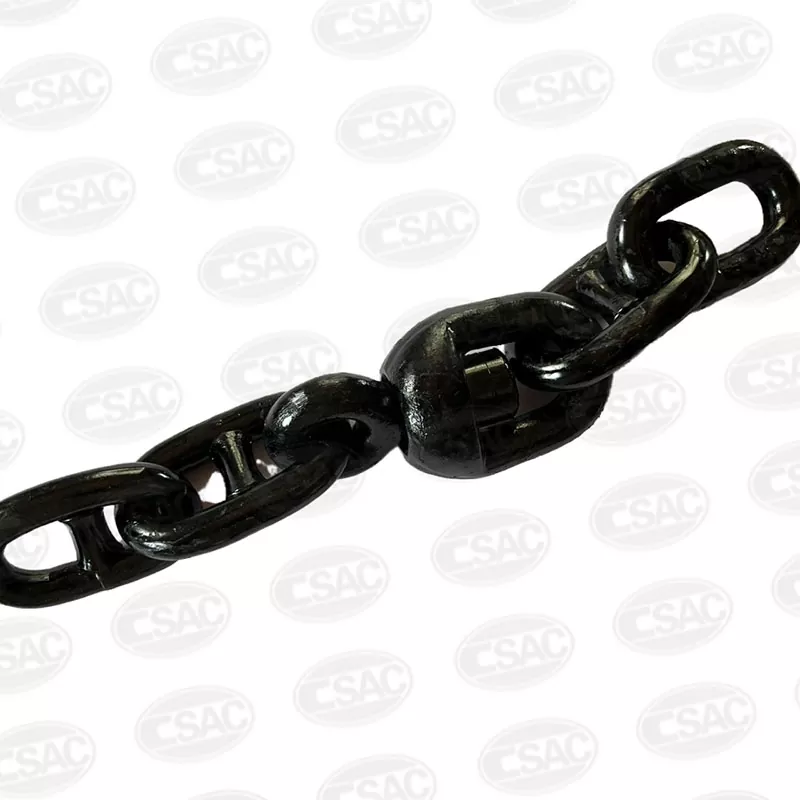
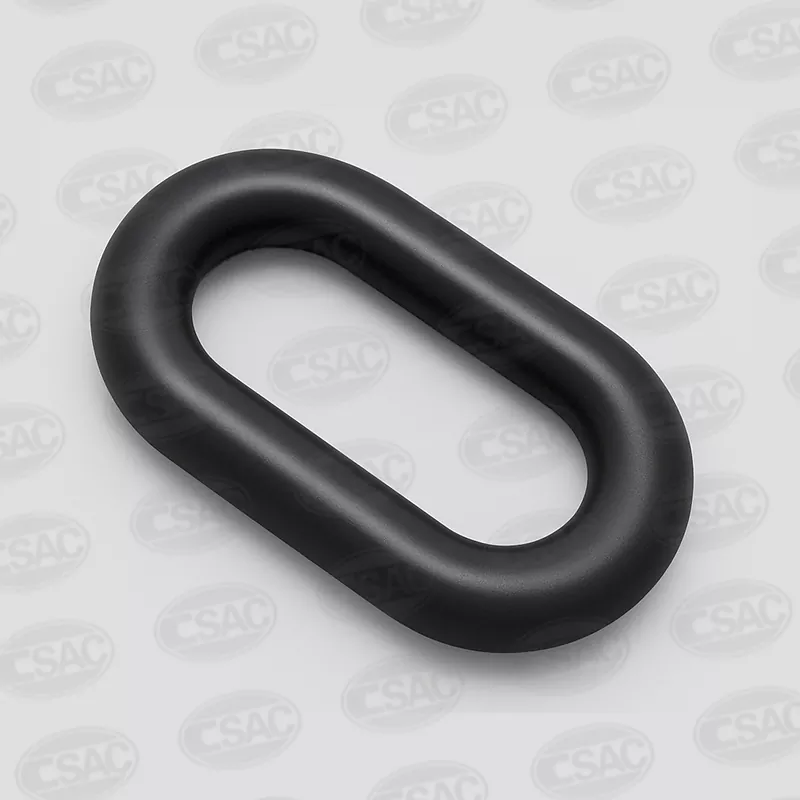
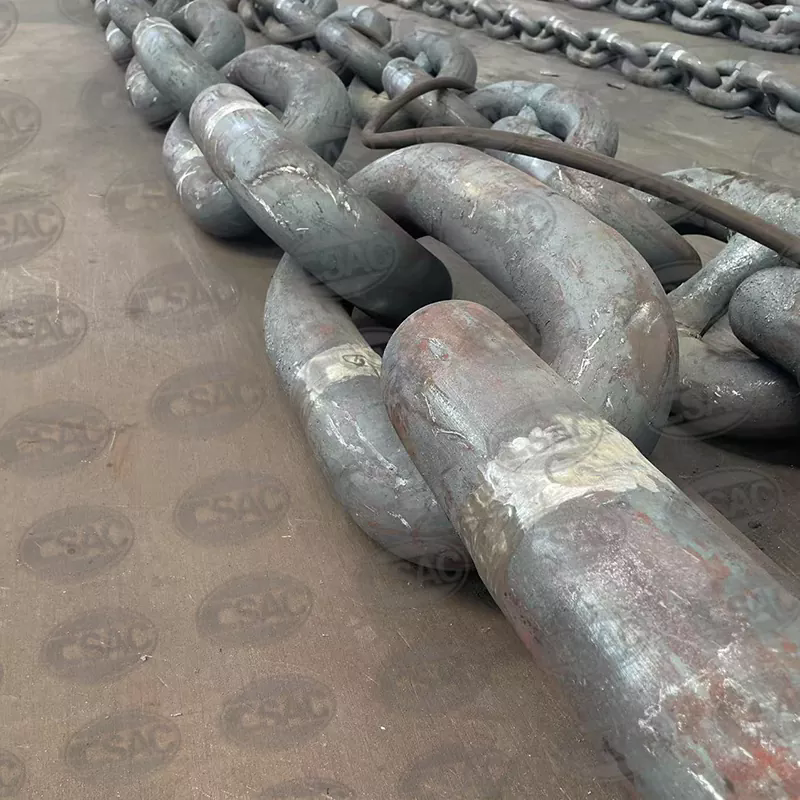
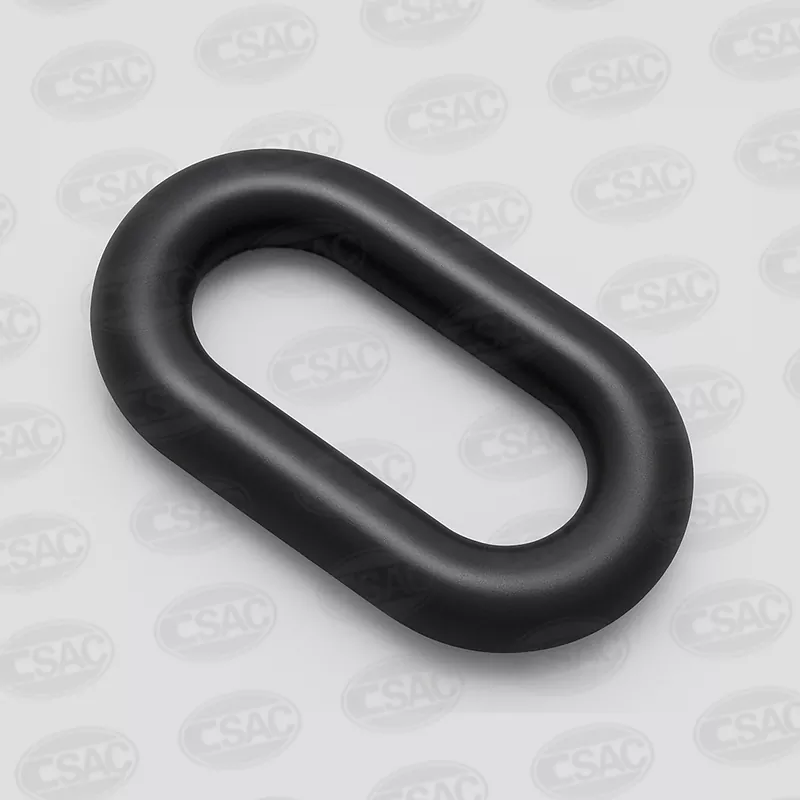
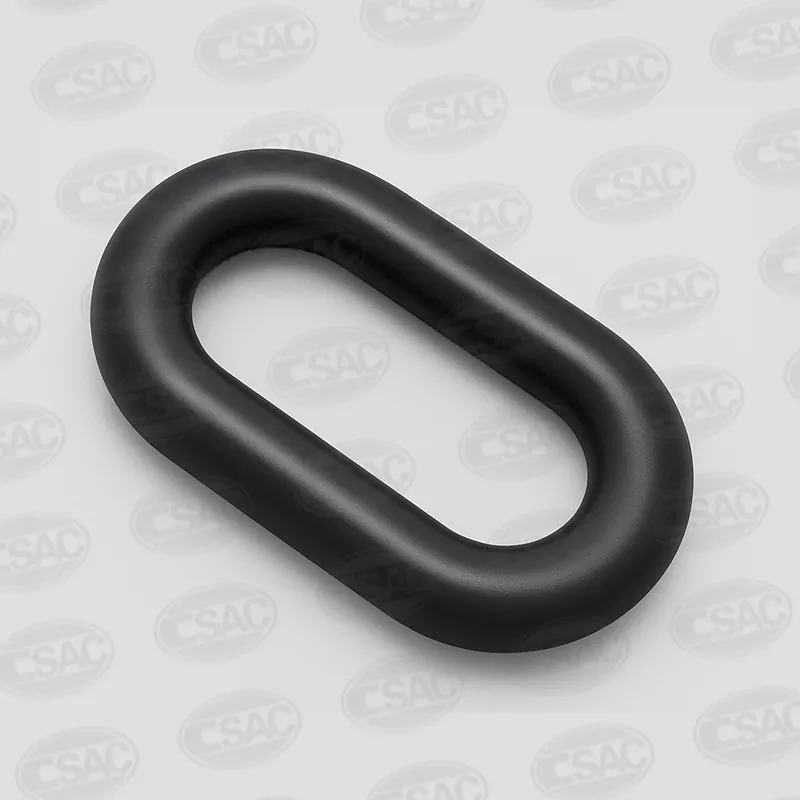
Studless Offshore Mooring Chain

What design details decide whether a Studless Offshore Mooring Chain pays off?

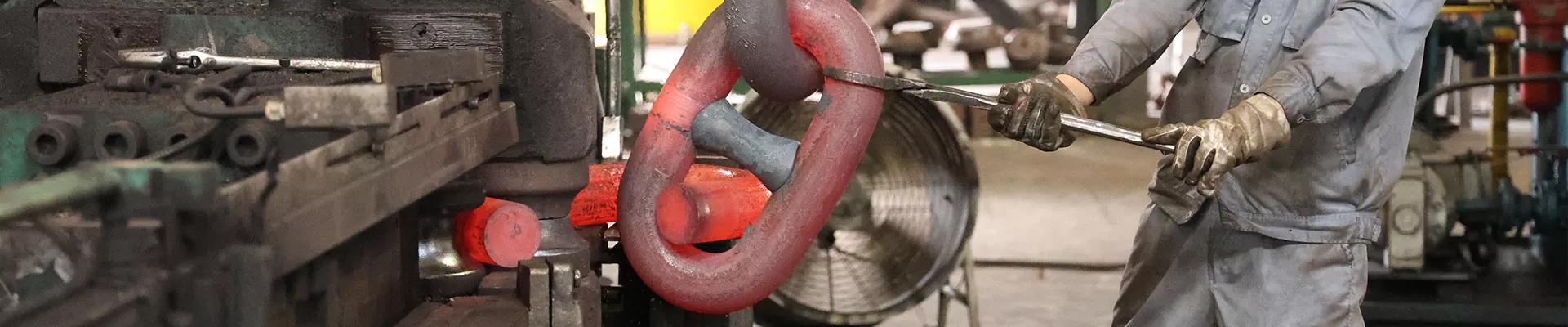
I start with load path and fatigue, then follow the trail into manufacturing and QA. A capable supplier proves consistency, not just peak numbers. Here’s what I verify before anything ships:

  • Weld integrity and heat treatment that keep microstructure stable across large diameters and long lengths.
  • Consistent link calibration for smoother passage over fairleads and windlasses, minimizing snagging and shock peaks.
  • Surface prep, coating, and cathodic protection compatibility that slow down corrosion in splash and tidal zones.
  • Traceability from melt to finished link so replacements actually match the installed line, not just the nominal grade.
  • Qualification testing and classification endorsements for the intended grade and environment.

How does it compare to stud-link options in day-to-day operations?

Even when the numbers look similar on paper, I notice differences in handling, wear distribution, and inspection time. Below is a practical snapshot of where each style tends to shine offshore:

Operational scenario Studless chain behavior Stud-link chain behavior What it means offshore
Passing over fairleads and windlass Smoother lay and fewer snag points More geometry contact points Lower shock loading and less nuisance stoppage
Twist management in long lines Less tendency to trap debris within links Studs can retain debris and marine growth Cleaner runs and fewer unplanned deck interventions
Inspection access Clear flanks and crowns are easier to view Studs can shadow critical areas Faster visual checks, better defect detection
Wear distribution More uniform contact surfaces Localized wear near studs Predictable wear rates simplify life-extension planning
Storage and deck handling Efficient stacking and spooling Slightly bulkier stack geometry Better use of limited deck space
Debonding of coatings Fewer sharp interfaces Stud edges can stress coatings Coatings last longer in rough handling

Which specifications should I double-check before issuing a PO?

To make a Studless Offshore Mooring Chain work as intended, I align the drawing with reality and lock in witness points. My standard checklist includes:

  • Chain grade and diameter suited to the metocean and soil assumptions of the station-keeping analysis.
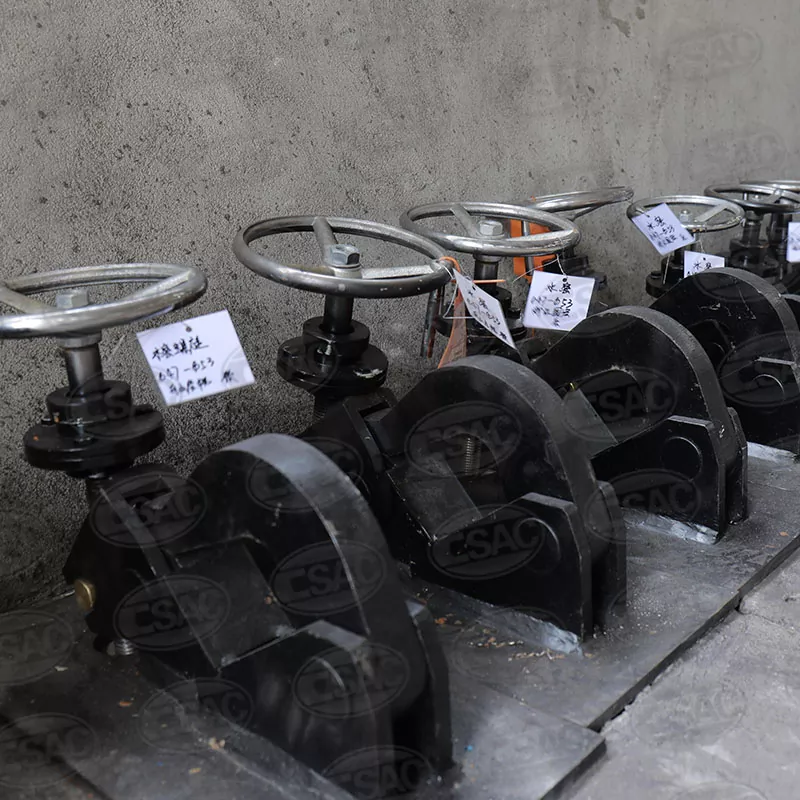
  • Proof and break test procedures, sampling plans, and third-party witnessing that match the criticality of the line.
  • Charpy impact toughness and hardness caps appropriate for low-temperature exposure.
  • Dimensional tolerance and calibration records for every production length.
  • Surface treatment, coating spec, and compatibility with anode systems or impressed current cathodic protection.
  • Marking, traceability IDs, and mill test reports linked to heat numbers—preferably digitized for easy retrieval.
  • Packaging, preservation, and transport fixtures that prevent damage in transit and during laydown.

Why can a Studless Offshore Mooring Chain lower total cost over field life?

Total cost of ownership is where the design earns its keep. I account for the whole chain of costs, not just the invoice:

  1. Fewer stoppages from smoother fairlead passage and cleaner runs reduce barge time and crew hours.
  2. Faster inspection thanks to simpler geometry shortens outage windows and frees up ROV time.
  3. Predictable wear enables planned link rotation or segment replacement instead of emergency swaps.
  4. Deck efficiency improves with tighter stacking and easier spooling, which matters on crowded campaigns.
  5. Corrosion control holds up when coatings aren’t stressed at sharp interfaces.

How do I install and maintain it without drama?

Good outcomes start before the chain reaches the quay. I keep the following playbook close at hand:

  • Confirm calibration and length against drawings the day the reels arrive; don’t push checks to the deck.
  • Stage connectors, swivels, and shackles by heat number and inspection status to avoid mismatches.
  • Review fairlead and gypsy compatibility; a quick dry-fit saves hours offshore.
  • Brief the deck on handling points and lift plans that protect coatings and crowns.
  • During recovery, log wear hotspots and corrosion patterns so future campaigns get smarter.

Where does a Studless Offshore Mooring Chain make the most sense?

I reach for it on FPSOs, FSOs, semi-subs, and increasingly on floating wind where deck space, repeatability, and inspection speed matter. In cyclonic regions or areas with strong loop currents, the simplified geometry helps when lines see more motion and fouling risk. In shallow to mid-water depths with frequent inspection cycles, the operational benefits compound quickly.

What should I expect from a supplier if reliability is non-negotiable?

When I speak with a manufacturer, I look for discipline as much as equipment. Batch-level traceability, clean weld records, and open doors to witness testing tell me the culture is right. A partner that understands the deployment plan can tweak preservation, packing, and documentation to remove friction later on—exactly the kind of alignment I’ve seen from teams building and supporting Studless Offshore Mooring Chain for demanding projects.

What’s the next step if I want fewer surprises offshore?

If your current lines are creating noise in operations—slow inspections, snagging, or uneven wear—it may be time to trial a Studless Offshore Mooring Chain segment during your next maintenance window. Share your metocean assumptions, line layout, and handling constraints, and ask for a proposal that targets total cost, not just upfront price. If you’re ready to move from theory to a clear plan, contact us and I’ll help map requirements into a practical, auditable specification.

Related News
Leave me a message
X
We use cookies to offer you a better browsing experience, analyze site traffic and personalize content. By using this site, you agree to our use of cookies. Privacy Policy
Reject Accept