Follow Us:

News

How Do Studless Anchor Chains Improve Marine Anchoring?

2026-01-12 0 Leave me a message

Article Summary: Studless anchor chains are crucial for modern maritime operations. This article explores their design, advantages, specifications, and maintenance considerations, providing practical insights for shipowners, offshore operators, and marine engineers. The goal is to help stakeholders make informed choices for safer and more efficient anchoring.

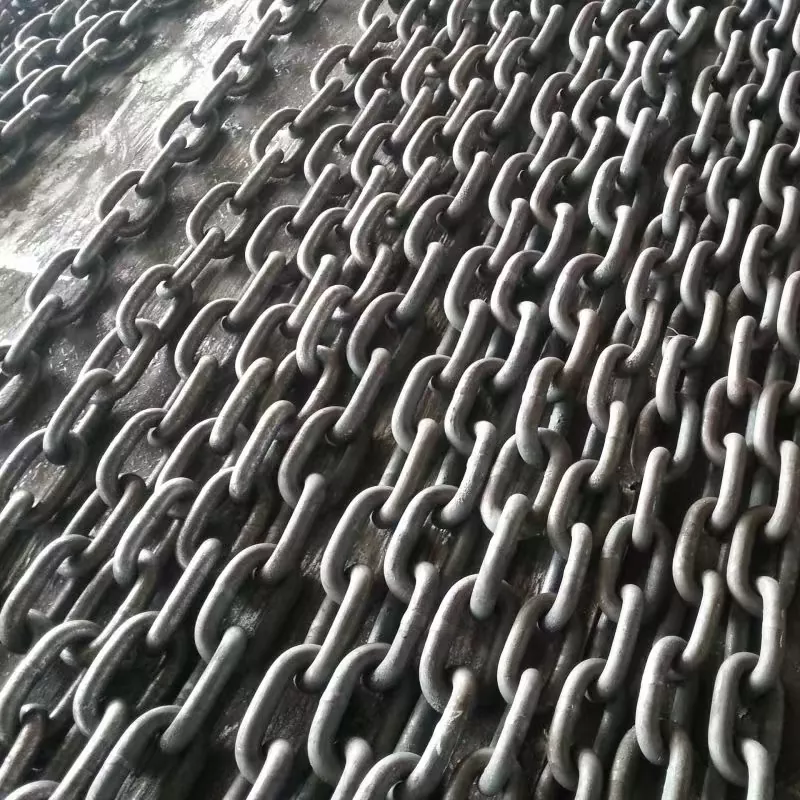
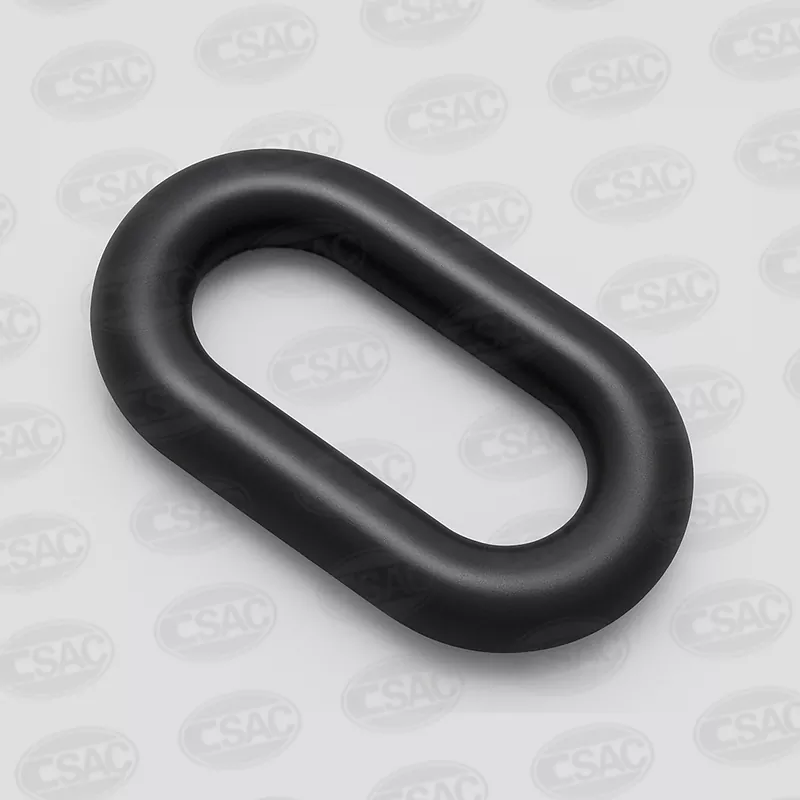
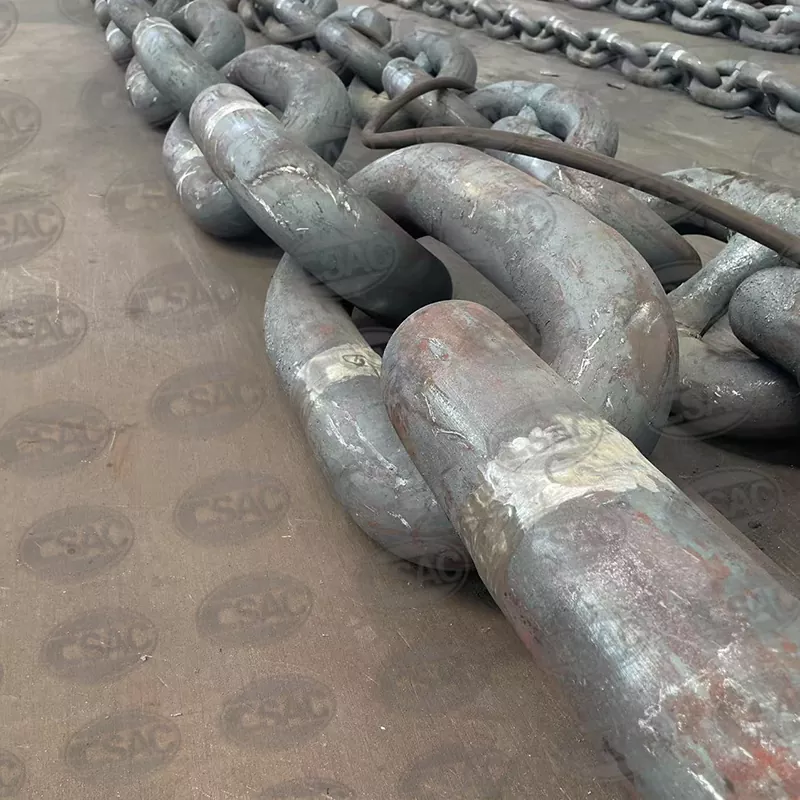
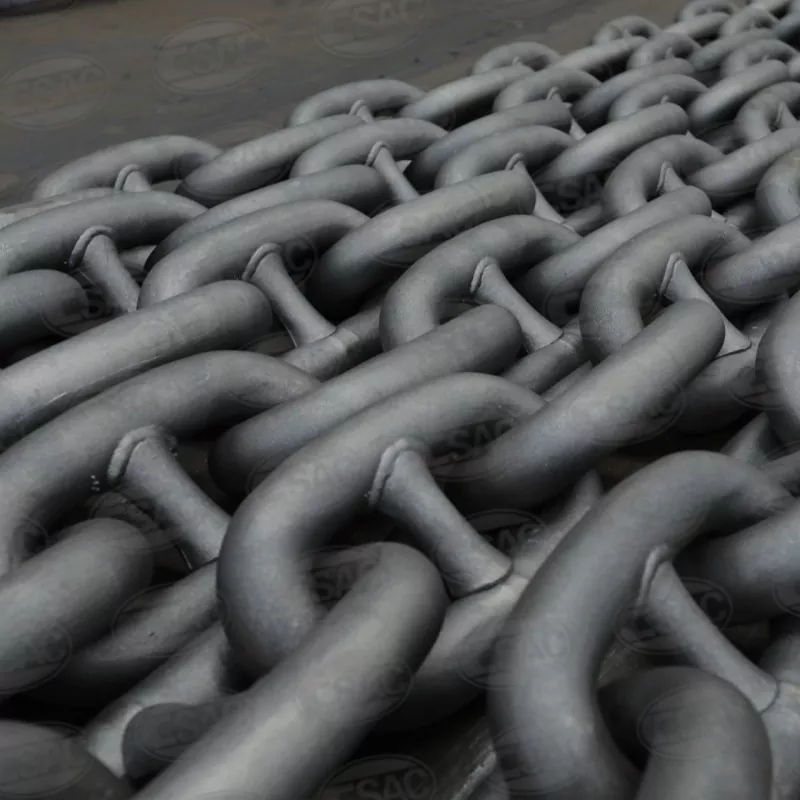
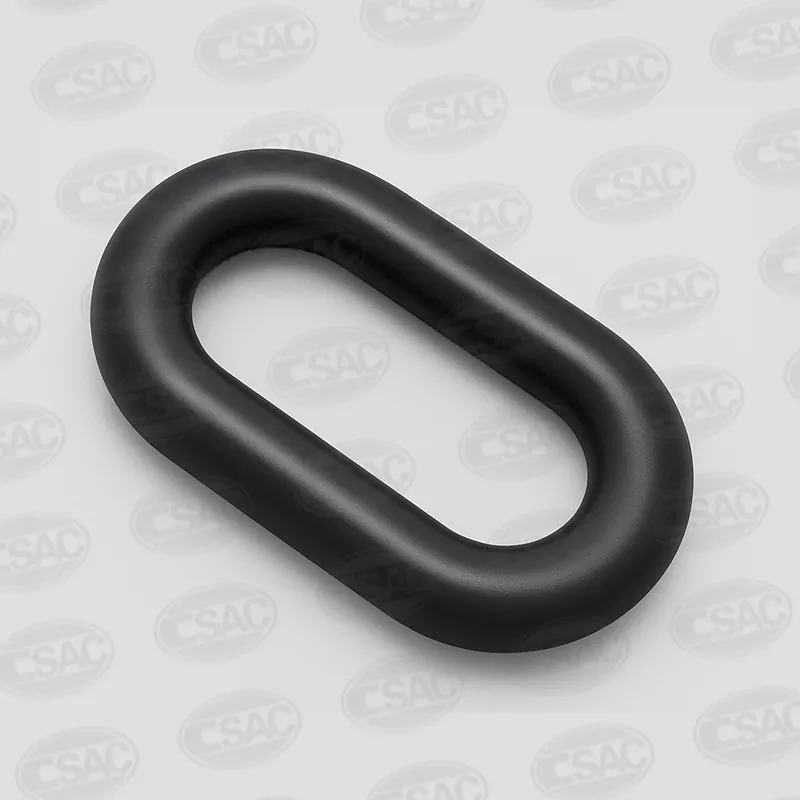
Grade 1 Studless Anchor Chain


Table of Contents


Introduction to Studless Anchor Chains

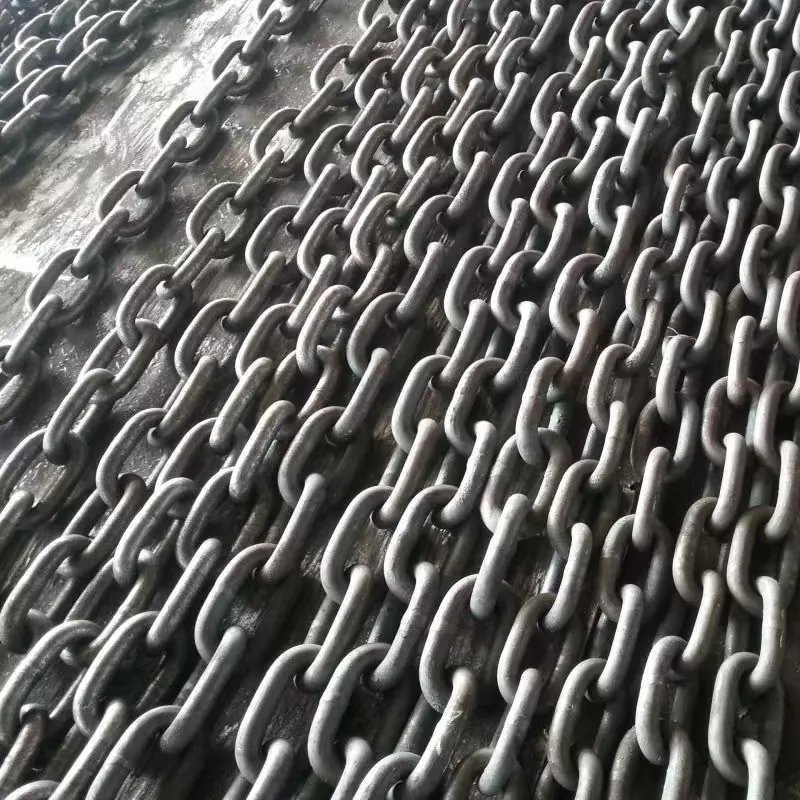
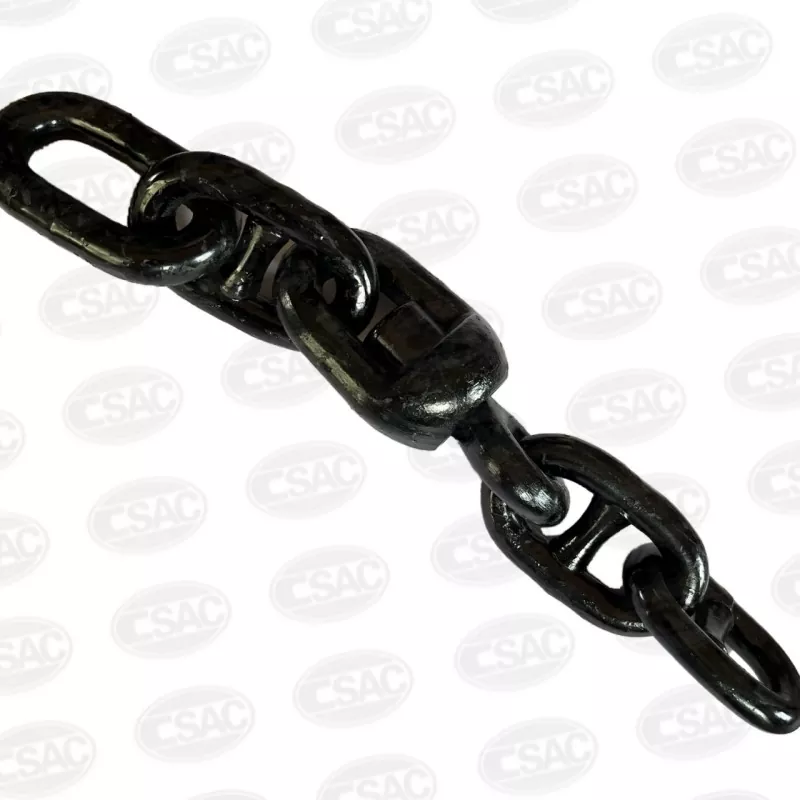
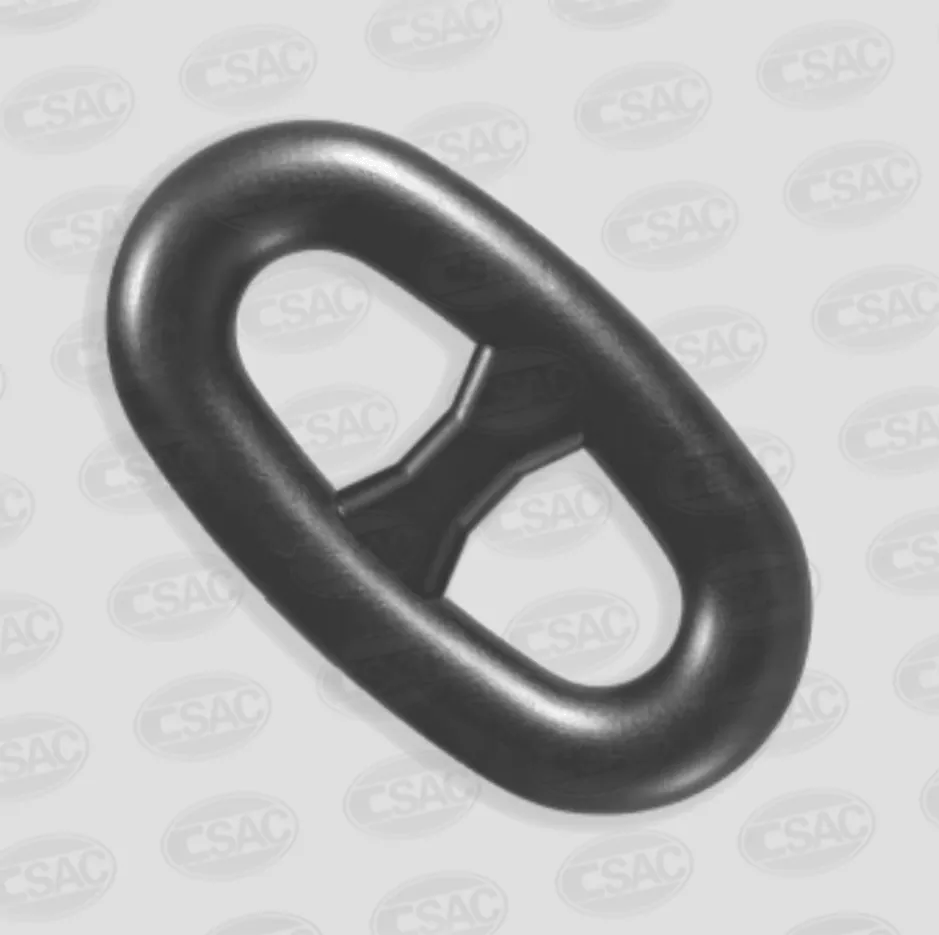
Studless anchor chains are a type of heavy-duty marine chain used extensively in anchoring and mooring operations. Unlike traditional stud link chains, studless chains do not have a central stud in each link. This absence provides enhanced flexibility, lighter weight, and easier handling, making them suitable for a wide range of marine applications including commercial vessels, offshore platforms, and floating structures.

The use of studless chains has grown due to operational efficiency, cost-effectiveness, and simplified storage requirements. Operators seeking reliable performance in harsh marine environments often prefer studless designs.


Design Features and Advantages

Studless anchor chains offer several benefits over traditional stud link chains. Key features include:

  • Lighter Weight: Without the central stud, chains are lighter and easier to handle, reducing labor intensity during anchoring operations.
  • High Flexibility: The absence of a stud allows smoother movement through windlasses and chain lockers, minimizing the risk of jams.
  • Fatigue Resistance: The flexible link design enhances durability under cyclic loads and harsh ocean conditions.
  • Cost-Effectiveness: Reduced material usage lowers production costs, making studless chains economical for smaller vessels and offshore platforms.
  • Easy Storage: Lighter and simpler links occupy less space, optimizing storage efficiency in chain lockers.

Compared to traditional chains, studless chains combine safety, efficiency, and cost savings, making them a preferred choice in modern maritime operations.


Technical Specifications

Studless anchor chains come in various sizes to meet different operational needs. Common specifications include:

Chain Size (mm) Breaking Load (kN) Weight per Meter (kg) Application
6 - 16 50 - 400 2 - 12 Small vessels, auxiliary craft
18 - 40 500 - 2500 15 - 70 Commercial ships, supply vessels
42 - 90 3000 - 12000 75 - 320 Large ships, offshore platforms

Each chain is manufactured to meet international classification standards, ensuring high strength, durability, and safety under extreme conditions.


Testing and Compliance

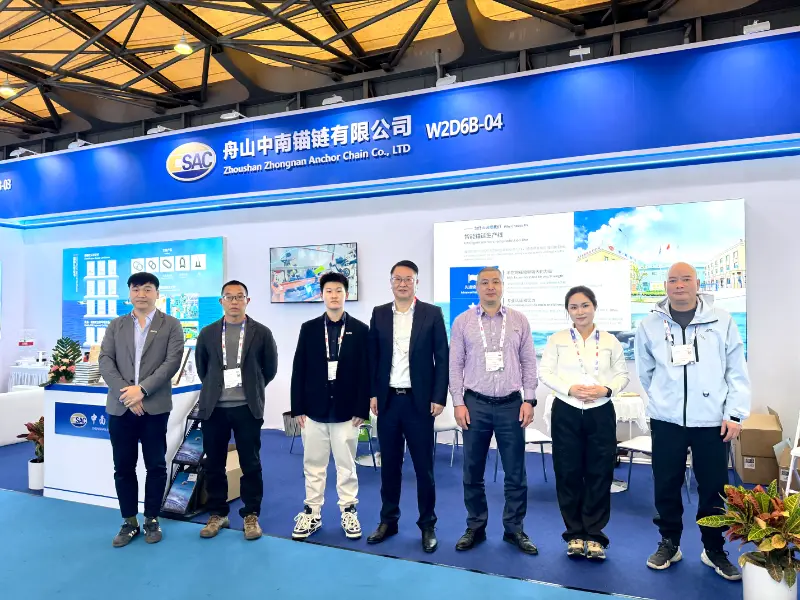
Quality assurance is critical for studless anchor chains. Manufacturers, such as Zhoushan Zhongnan Anchor Chain Co., Ltd, perform rigorous testing, including:

  • Proof Load Tests: Chains are subjected to loads above operational limits to verify strength.
  • Breaking Load Tests: Ensures chains can withstand maximum expected forces without failure.
  • Dimensional Inspections: Confirms link dimensions adhere to standard tolerances for smooth operation.
  • Certification: Chains are certified by global classification societies including ABS, DNV, LR, BV, NK, KR, CCS, RINA, and RS.

Adhering to strict standards ensures safety and reliability for both commercial and offshore applications.


Maintenance and Handling Tips

Proper care extends the service life of studless anchor chains and ensures operational safety. Recommended practices include:

  • Regular inspection for wear, corrosion, or deformation.
  • Cleaning and lubrication to prevent rust and maintain smooth operation.
  • Storing chains in dry, ventilated spaces to reduce environmental damage.
  • Using appropriate lifting and handling equipment to avoid link damage.
  • Replacing links or sections immediately if structural compromise is detected.

Adopting preventive maintenance reduces downtime and repair costs while enhancing vessel safety.


Frequently Asked Questions

  • Q1: What is the difference between studless and stud link chains?
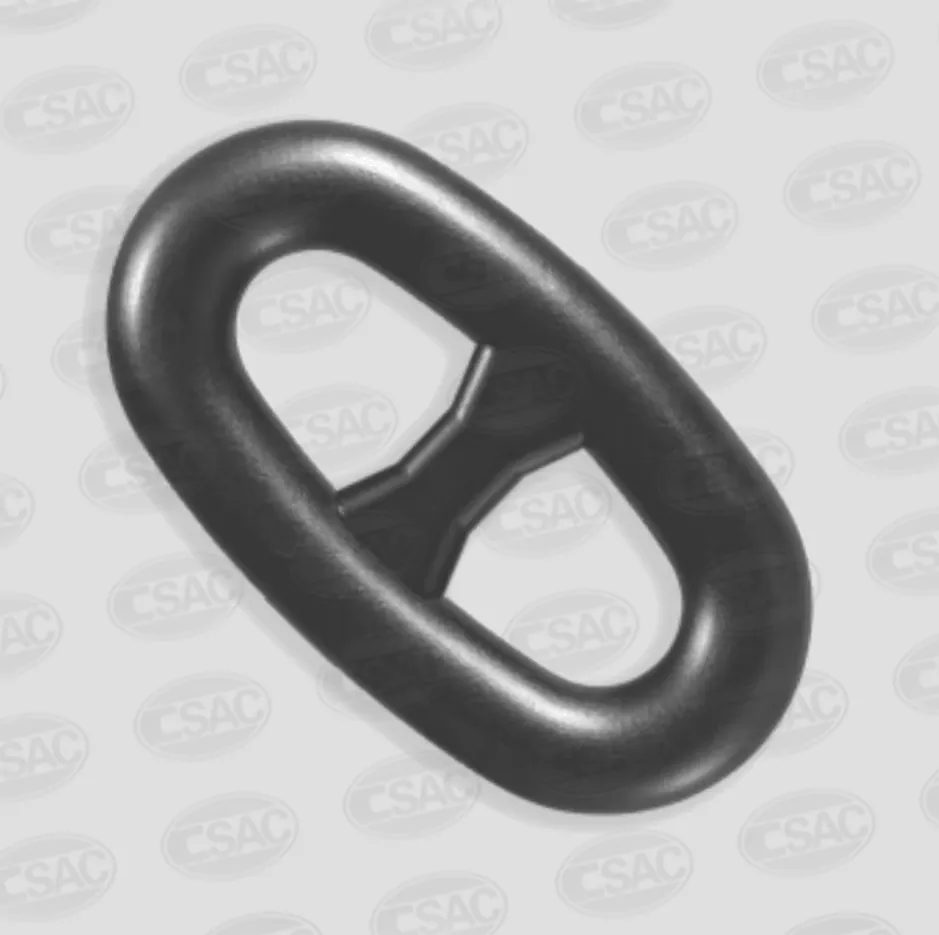
    A1: Studless chains lack the central stud in each link, providing lighter weight and greater flexibility. Stud link chains include a stud, which increases strength but adds weight and reduces flexibility.
  • Q2: Are studless anchor chains suitable for offshore platforms?
    A2: Yes, studless chains are designed for both commercial vessels and offshore platforms, with sizes and specifications suitable for heavy-duty applications.
  • Q3: How are studless chains tested for safety?
    A3: Each chain undergoes proof load tests, breaking load tests, and dimensional inspections, and is certified by international classification societies.
  • Q4: Can studless chains be used in extreme weather conditions?
    A4: Yes, their fatigue-resistant design allows reliable performance in harsh marine environments, including strong currents and high waves.

Conclusion & Contact Information

Studless anchor chains provide a modern solution for safer, more efficient anchoring and mooring. Their lightweight, flexible, and durable design makes them a preferred choice for shipowners and offshore operators worldwide. With rigorous testing and certification, they ensure reliable performance under the most challenging marine conditions.

For high-quality studless anchor chains tailored to your operational needs, contact us at Zhoushan Zhongnan Anchor Chain Co., Ltd and request detailed specifications or a quote. Our team provides professional guidance to ensure the right chain selection for your vessels or offshore structures.

Related News
Leave me a message
X
We use cookies to offer you a better browsing experience, analyze site traffic and personalize content. By using this site, you agree to our use of cookies. Privacy Policy
Reject Accept